A New Strategy: Higher Fares, Empty Seats
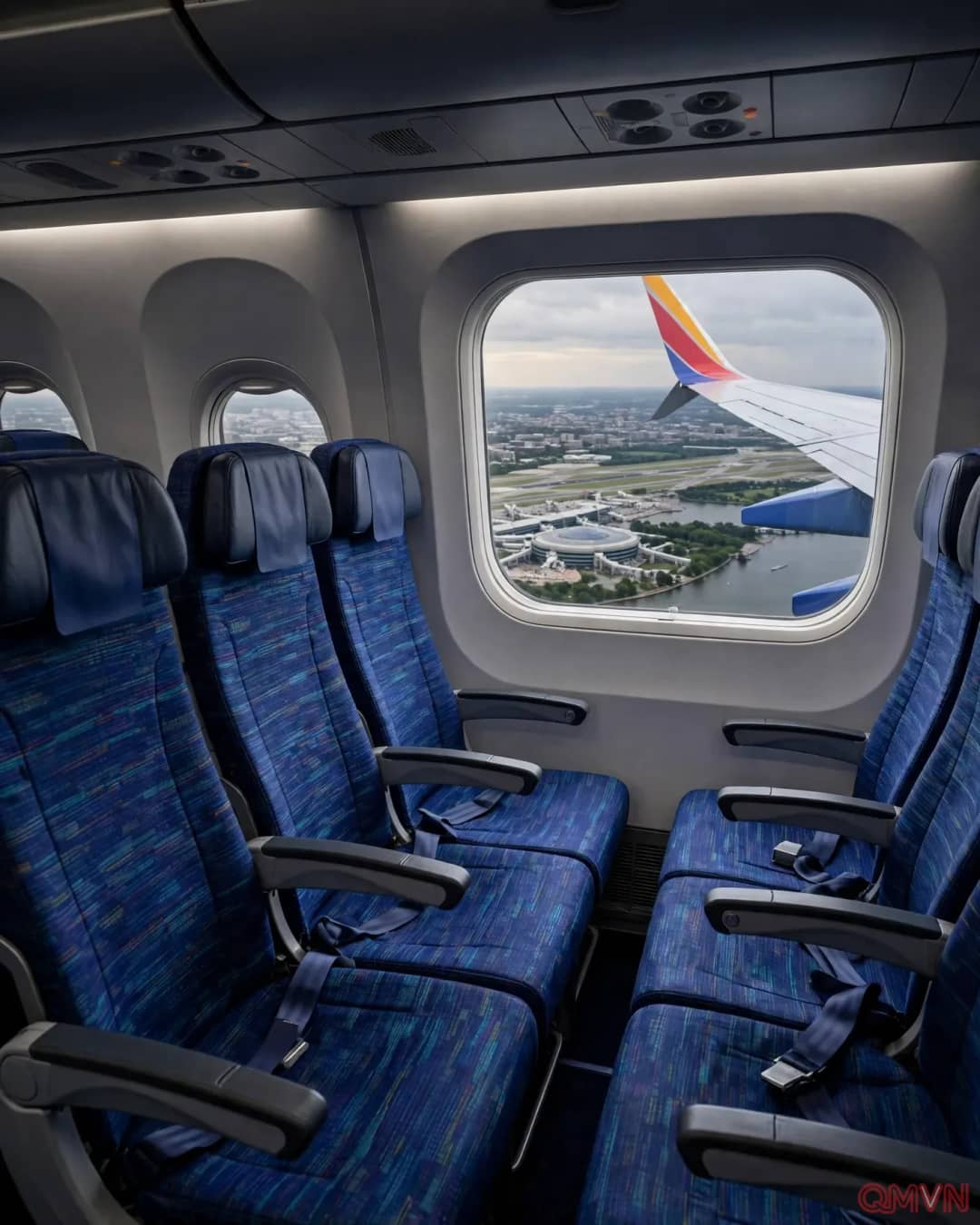
Executives at Delta Air Lines, United Airlines, American Airlines, Southwest Airlines and Alaska Air Group have all emphasised protecting margins over boosting passenger volumes. Airlines have long balanced fares against how full their planes are, but elevated fuel costs have made them more willing to sacrifice occupancy rather than discount.
If fuel stays elevated, we have to continue to push yield up so that we can make a bit of money.
American’s chief financial officer is not alone. At United, the leisure load factor fell 1.3 percentage points in the third quarter; commercial chief Andrew Nocella acknowledged that this showed customers responding to higher prices, but called it a trade the airline would make “every day”. American’s planes also flew less full even as passenger yields jumped more than 18%, while Delta CEO Ed Bastian said the airline has been “managing the business for margins”.
Record Revenue, Flat Traffic
The gap between revenue and traffic shows that growth now depends on earning more from each passenger rather than carrying more of them. Premium products and shifts in passenger mix have also contributed significantly. Some key figures:
- Passenger revenue at the five major airlines rose nearly $8.8 billion, or 18%, in the third quarter, while traffic grew less than 1%.
- US air fares rose an average of nearly 23% in the seven months through September, against a 3.6% rise in overall consumer prices.
- JetBlue has just initiated a $10 one-way increase in published domestic fares, following a similar United-led increase that Southwest matched.
Even so, warning signs have appeared. The Transportation Security Administration (TSA) screened 2.9% fewer people at US airports in the quarter than a year earlier, raising questions about whether higher fares are starting to discourage travel.
The shutdown of budget carrier Spirit Airlines and limited capacity growth have also weighed on traffic. Airline executives insist demand remains resilient.
Those higher fares are not causing an erosion of volumes.
Fuel – an Unavoidable Burden
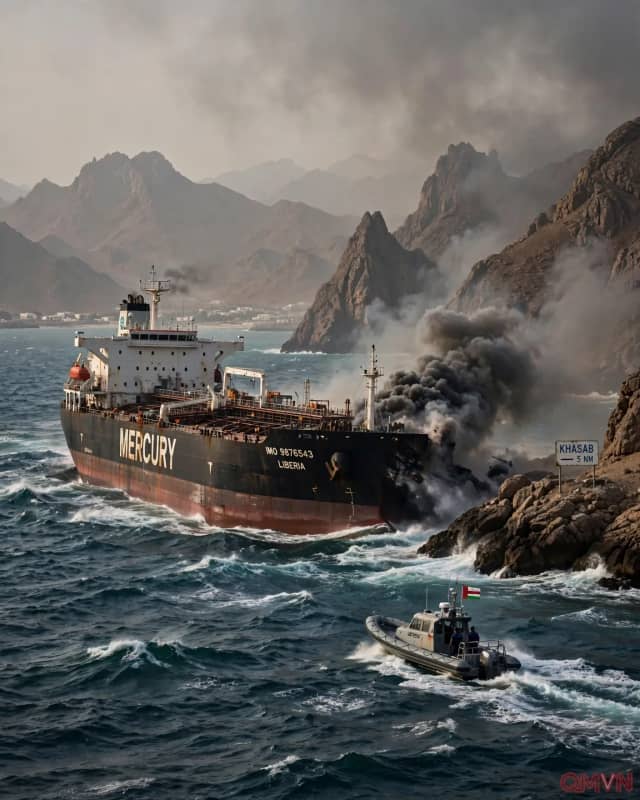
Record revenue has not been enough to shield profits from the fuel shock. According to the US Energy Information Administration, Gulf Coast spot jet fuel prices rose from $2.43 a gallon before the war to $4.63 on October 20. Delta and Southwest have cut their annual earnings forecasts, while American expects a full-year loss despite sharply higher passenger revenue.
Fuel is typically one of airlines’ largest expenses, often around a quarter of operating costs. With prices nearly doubling, every underperforming flight becomes a burden – which is why carriers are scrutinising every route and every seat.
The 2027 Test
According to Airlines for America, citing Cirium data, six major US carriers plan to grow domestic capacity 3.0% in the fourth quarter and 3.8% in the first quarter of 2027, a sharp acceleration from 0.2% in the third quarter. Competition for passengers could therefore intensify, making this year’s fare gains harder to repeat. American plans to slow growth considerably next year and is reassessing whether additional flights would cover their costs; Southwest has pledged not to pursue growth at any price, while United has cautioned that published 2027 capacity plans may not materialise.
Restraint could help keep fares high, but flying less raises costs per seat, while pushing prices higher risks driving away travellers who have already absorbed steep increases. Even so, Devon May believes the current yield gains are “very sustainable”. The final answer will lie in the wallets and choices of millions of American travellers.