A New Round of Pressure
On September 3, the United States announced sanctions against five Cuban companies and Fidel Ernesto Castro Calis, 31, a grandson of former President Raúl Castro. Reuters reported that the targeted entities operate in sectors including banking, nickel and energy. The state-owned Banco Exterior de Cuba was among those designated.
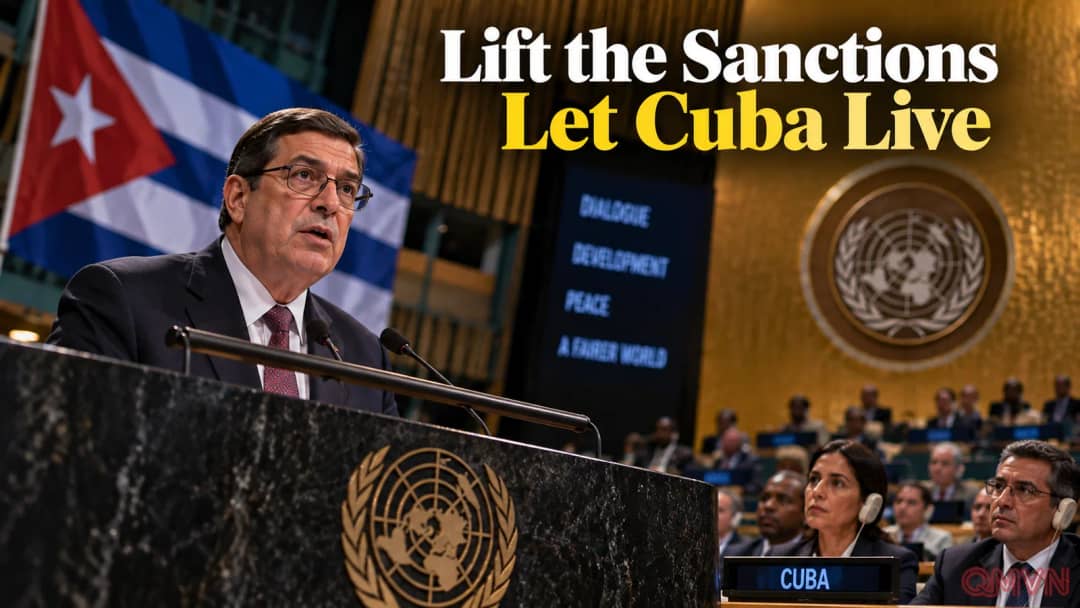
Rodríguez responded forcefully, accusing Washington of using claims rejected by Havana to justify economic pressure. He argued that the measures were designed in ways that could deepen humanitarian hardship and renewed Cuba's demand for an end to the U.S. embargo. His comments reflect Havana's longstanding position that American restrictions ultimately affect far more people than the officials and companies formally listed.
Washington presents the policy differently. Secretary of State Marco Rubio said the designations reflected President Donald Trump's objective of a freer Cuba. U.S. officials argue that sanctions are directed at political leaders, revenue sources and economic structures they say sustain the current system.
Energy Is the Most Sensitive Pressure Point
One notable target is Abapet, a company responsible for importing specialized equipment and spare parts for Cuba's electricity sector. AP cited a sanctions expert who said restrictions on such a company could make it harder to maintain a power system already suffering from aging machinery and repeated breakdowns.