A surprising finding about water
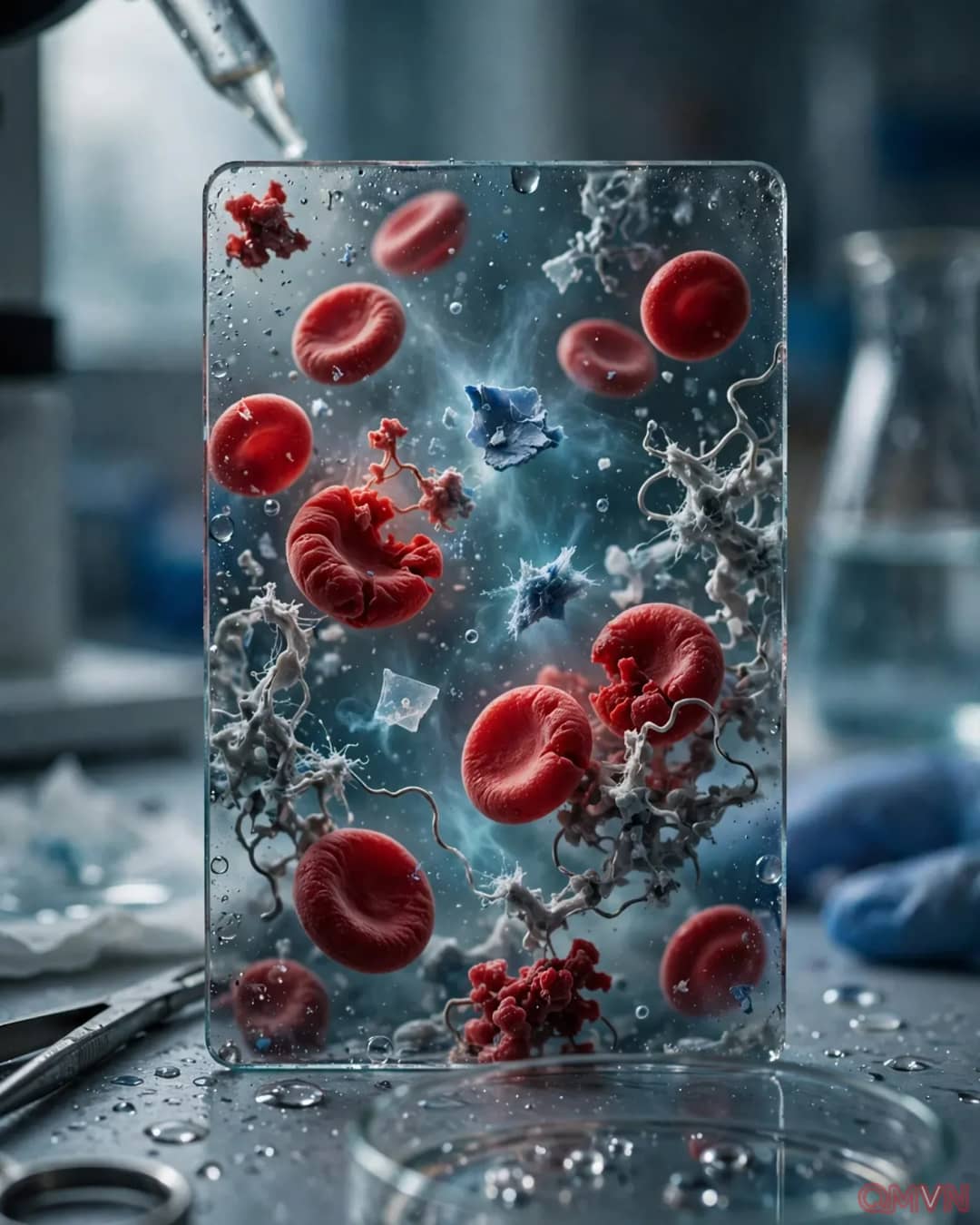
According to the study in Nature, water molecules behave differently when they come into contact with microplastics, acting as a catalyst that spontaneously creates hydroxyl radicals. In laboratory tests, these free radicals damaged red blood cells and proteins. As plastic in the body breaks down into ever smaller pieces, known as microplastics and nanoplastics, the potential danger increases, says co-author Wei Min, a Peking University graduate who is now a professor of chemistry and biomedical engineering at Columbia University.
Is this phenomenon 5 per cent responsible or 90 per cent responsible for the health effects we are seeing, I can’t answer. But I would be surprised if it doesn’t play any role.
According to Min, these reactions cannot currently be prevented within the body, since human blood is about 50% water and cells are up to 80% water.
Polyethylene and polypropylene raise the most concern
The team of 12 scientists, including researchers from the University of California, Berkeley, and Rutgers University, reported the following key findings: