MAIN CONTENT
A border through the supply chain
The European Commission’s proposed Industrial Accelerator Act would attach European-origin or low-carbon conditions to specified public procurement and support programmes. It is not a blanket prohibition on British cars. Yet exclusion from particular incentives could change investment calculations for manufacturers whose parts, batteries and finished vehicles repeatedly cross the Channel. The scheme still requires legislative agreement, so its final geographical reach is undecided.
Britain is asking for its production to qualify as European for the relevant rules. EU governments, however, worry that offering access without corresponding safeguards might create a route for Chinese-made vehicles or components to circumvent their industrial protections. This is why apparently technical language about domestic content has become politically sensitive: eligibility for a subsidy can shape where factories are built and where skilled work survives.
The Chinese investment dilemma
Chinese brands have changed the competitive landscape of the UK car market. According to figures reported by Reuters from the Society of Motor Manufacturers and Traders, Chinese marques accounted for 17.8% of British car sales in the year to the end of October 2026, roughly twice their share a year earlier.
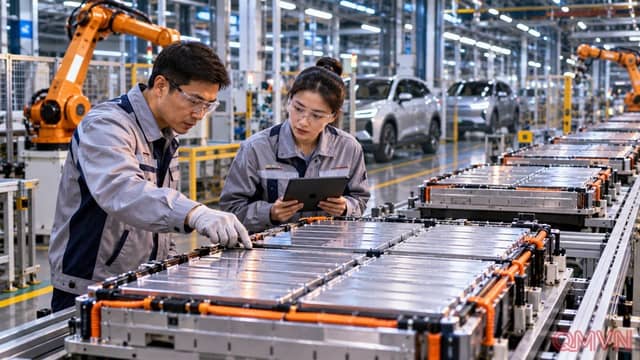
Chery is exploring UK assembly, while Xpeng has outlined plans to broaden its model range and dealership network. That expansion can support investment, distribution jobs and consumer choice.
For buyers who have delayed switching to electric cars because of prices, more affordable models can make the transition realistic. For incumbent manufacturers, the same competition arrives alongside costly retooling and thin margins. Some industry leaders favour stronger protection against imports they consider unfairly supported; others point out that raising prices or antagonising Chinese investors could undermine Britain’s climate and manufacturing ambitions. These interests overlap, but do not neatly align.
The price of keeping European access
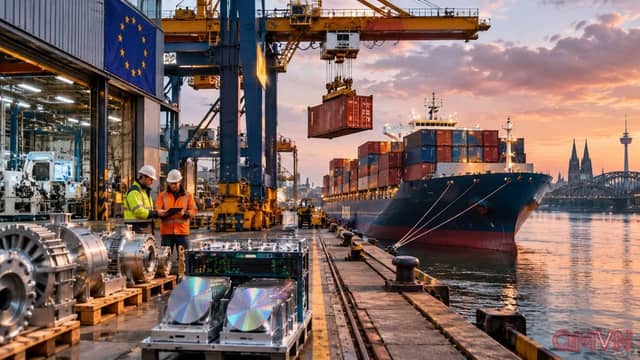
The stakes for exporters are concrete. Reuters cites SMMT figures showing that nearly 57% of the 717,000 cars produced in Britain in 2025 went to the EU. The sector supported about 830,000 jobs and contributed roughly £18 billion in value added. Losing eligibility for EU-backed purchases or incentives would therefore affect more than showroom sales: it could ripple through suppliers, research centres and communities dependent on automotive payrolls.
Industry associations ACEA and SMMT jointly urged political leaders on November 17 to address both “Made in Europe” eligibility and looming rules-of-origin difficulties. The associations warn that tighter origin requirements could put significant electric-vehicle trade at risk of tariffs. Their intervention underscores a practical point: the UK and EU are not two self-contained car industries, but interdependent networks whose competitiveness depends on predictable cross-border rules.
A negotiation with more than two sides
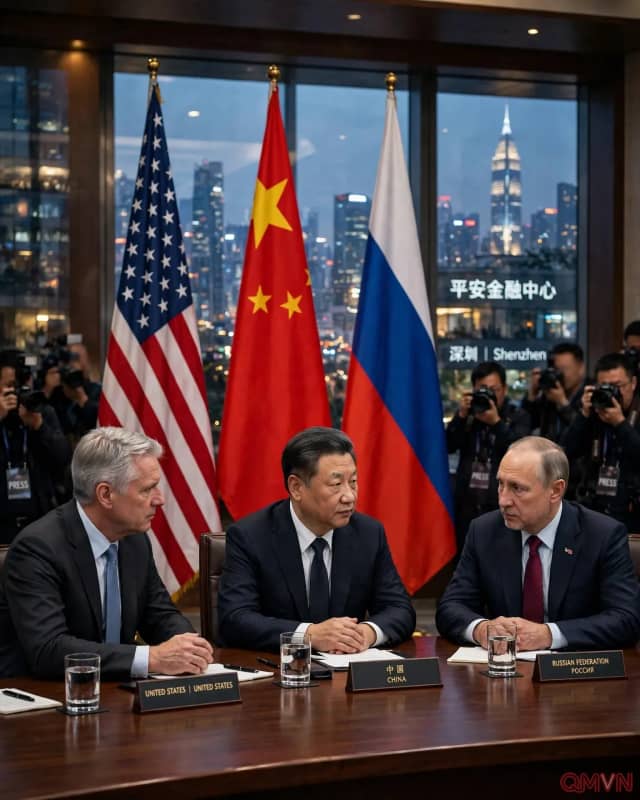
European policymakers are balancing industrial security and competition, while London is seeking space to maintain independent trade relationships. Beijing has objected to possible discriminatory treatment of Chinese vehicles. Those positions leave negotiators with choices beyond an immediate yes-or-no decision on tariffs: negotiated origin criteria, narrowly defined access, reciprocal safeguards or transitional arrangements could all be discussed, though none is assured.
The consequences extend beyond manufacturers. Higher import duties could protect some local production but may increase costs for consumers; broader eligibility could preserve supply chains but raise concerns over enforcement. The UK’s promise of a globally open economy meets the EU’s drive for greater economic resilience at precisely the moment China is offering capital and competitive vehicles. The November 20 talks may clarify priorities without settling the underlying contradiction.