MAIN CONTENT
One sample and two contested laboratory findings
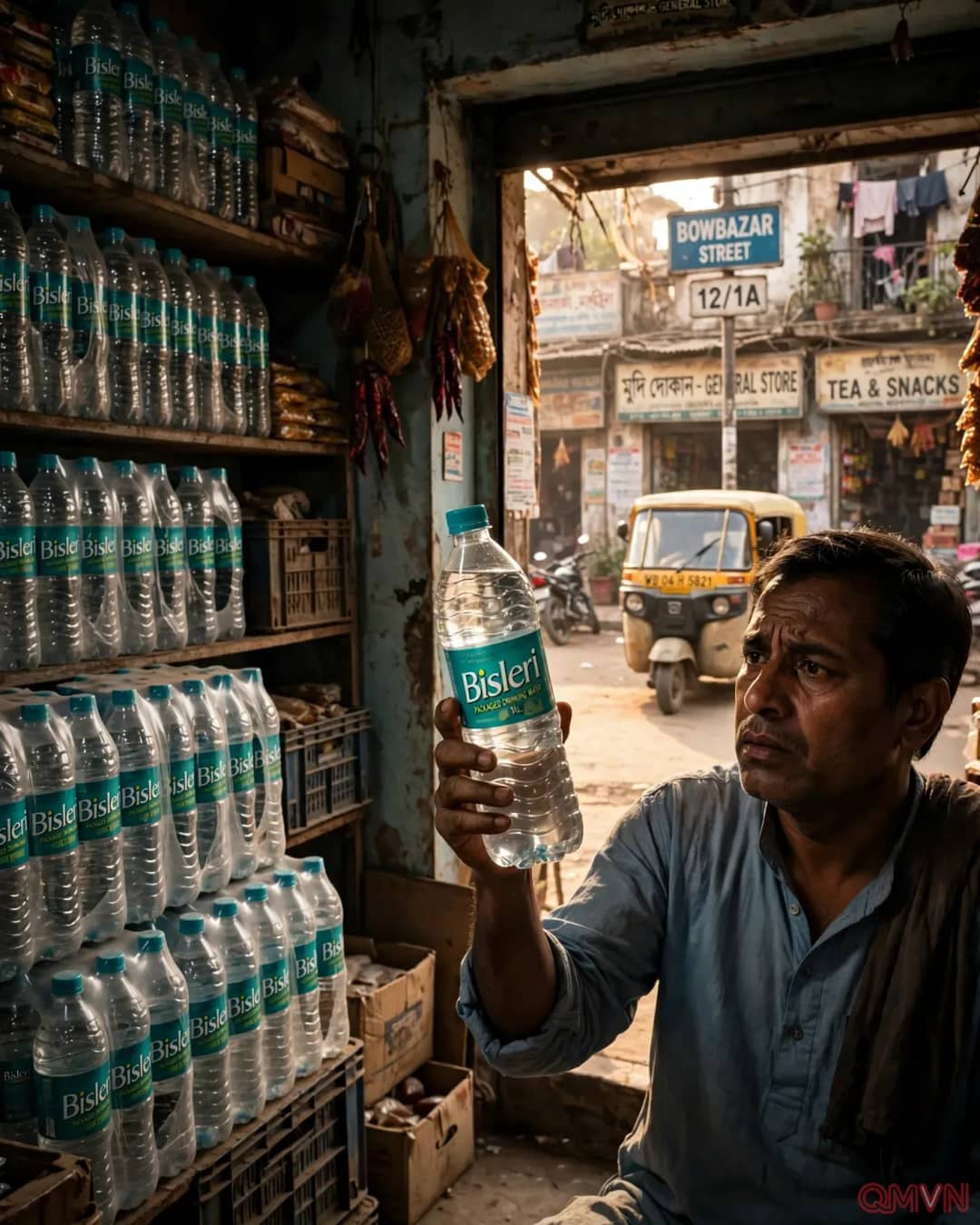
On November 22, FSSAI announced that a regulatory sample collected from Bisleri premises did not meet safety requirements. The company says the sample came from its Goa facility and related to production in September 2025. Initial testing measured bromate at 12 micrograms per litre against a permitted limit of 10 micrograms. Although the numerical difference is modest, exceeding a regulatory threshold demands a documented assessment; the threshold cannot simply be disregarded because the margin appears small.
Bisleri disputes that measurement. It says independent tests arranged by the company showed bromate within the prescribed limit and that it shared those results with the authorities. After an appeal, the official sample went to a referral laboratory. FSSAI says that the further examination still deemed the sample unsafe, this time on the basis of PAHs. The differing findings make details of the test methods, individual chemicals, measured concentrations, sample custody and analytical quality controls especially important to any fair public assessment.
There is a crucial distinction between a noncompliant sample and a claim that an entire brand's output is contaminated. Reuters cited a government source saying batches associated with the sample had been recalled and subsequent product testing had not revealed water-quality problems. The precise reach of any recall and the final legal outcome warrant official confirmation. Regulatory permission to begin prosecution is a procedural development, not a court judgment establishing guilt.