MAIN ARTICLE
A record extension without a common decision
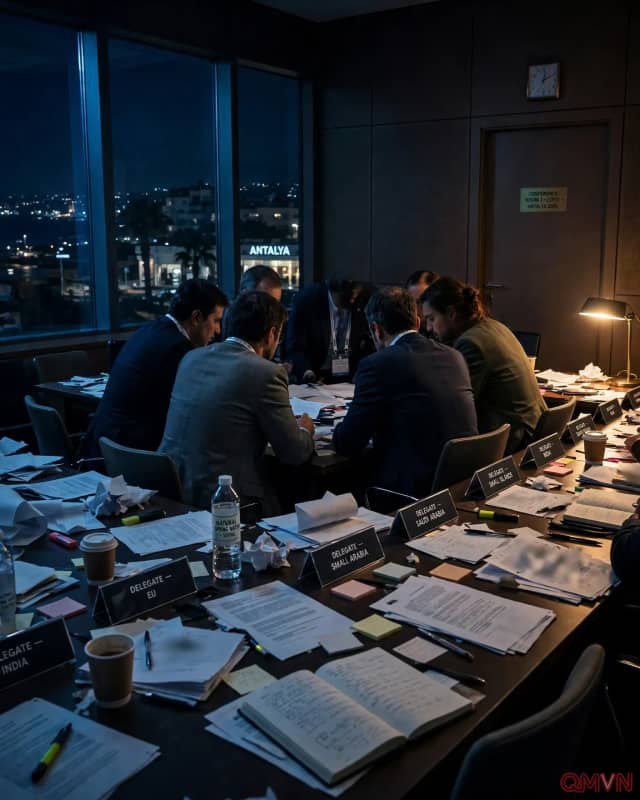
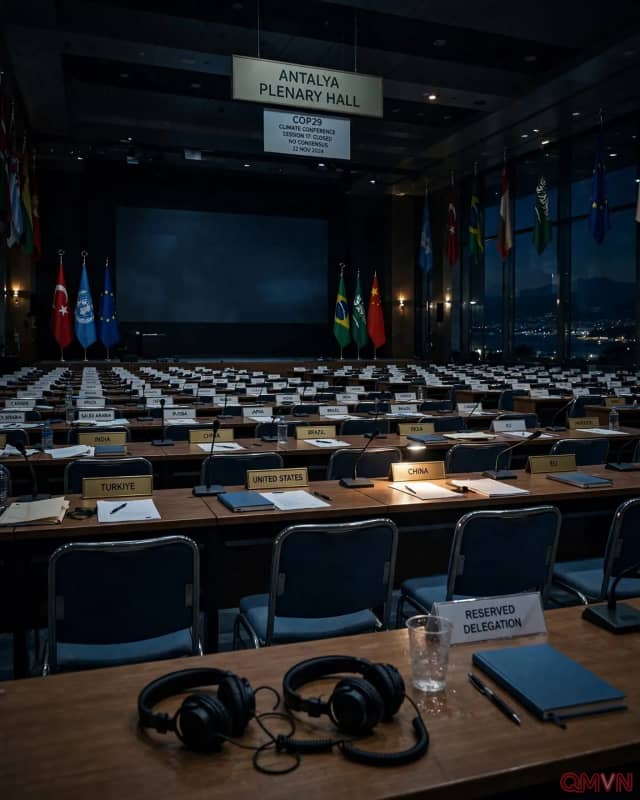
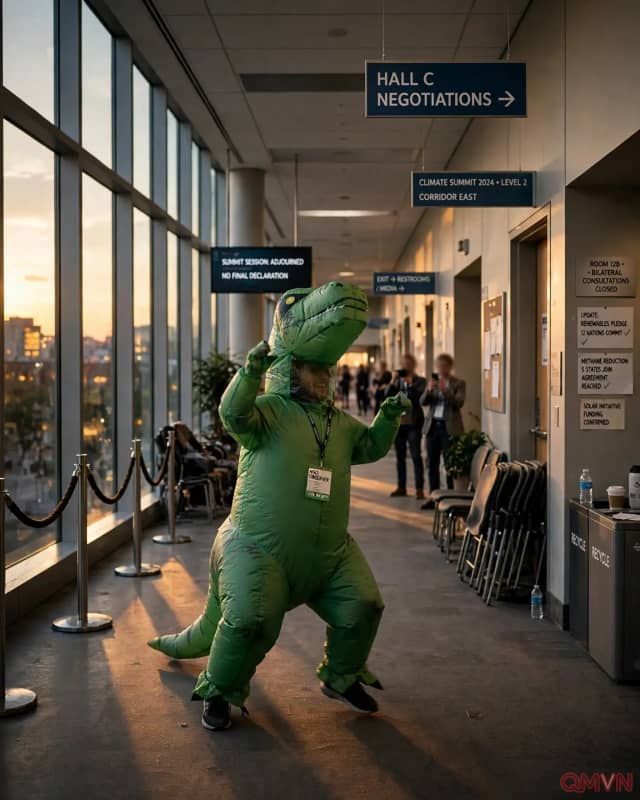
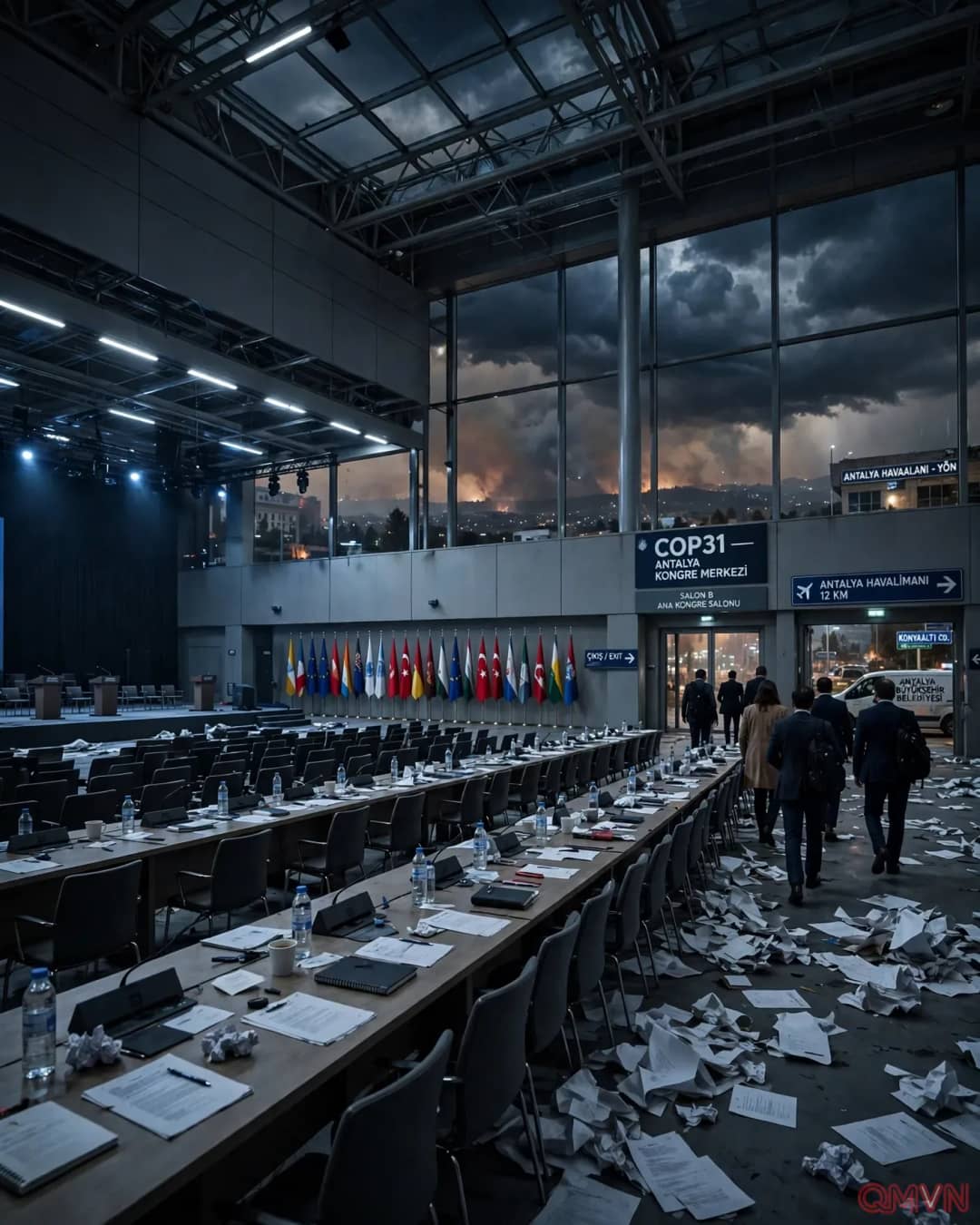
COP31 was scheduled for November 9–20, but its closing proceedings stretched into November 22. That record extension still failed to yield an overarching political decision, the document that normally signals a collective direction to governments, investors and communities facing climate damage. Its absence represents a major diplomatic setback, although it does not mean that the entire United Nations climate framework has ceased functioning.
At the final plenary, COP31 president Murat Kurum said negotiators had done all they could and that no fresh text would follow. Chris Bowen, the Australian minister leading negotiations, identified fossil fuels and climate finance as the central obstacles. UN Secretary-General António Guterres expressed frustration at the gulf between the urgency of the crisis and what governments had been prepared to agree.
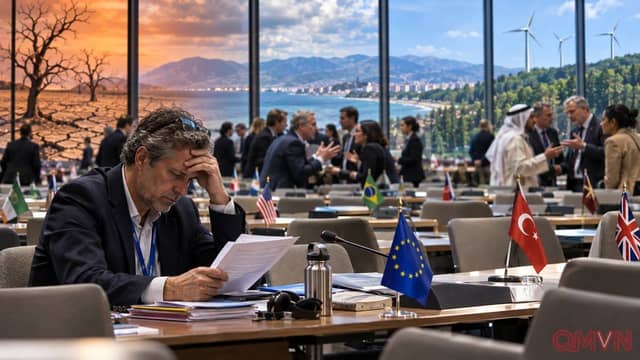
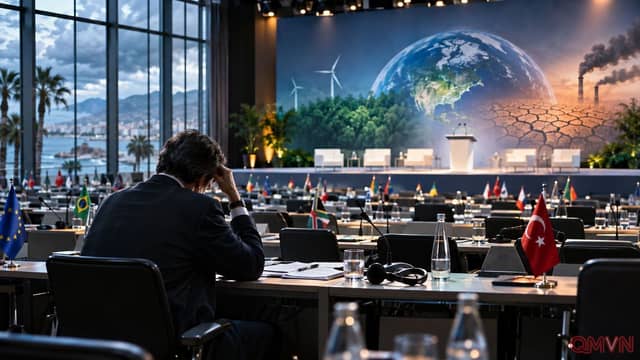
Reporting by Reuters and the Associated Press indicates that the final dispute went beyond diplomatic wording. Some countries believed endorsing a weak compromise would send the wrong signal while extreme heat, wildfires and flooding exact a growing toll. Others feared that stronger provisions might impose economic pressures and higher transition costs at home.