MAIN STORY
Why exchange rates are only one part of the story
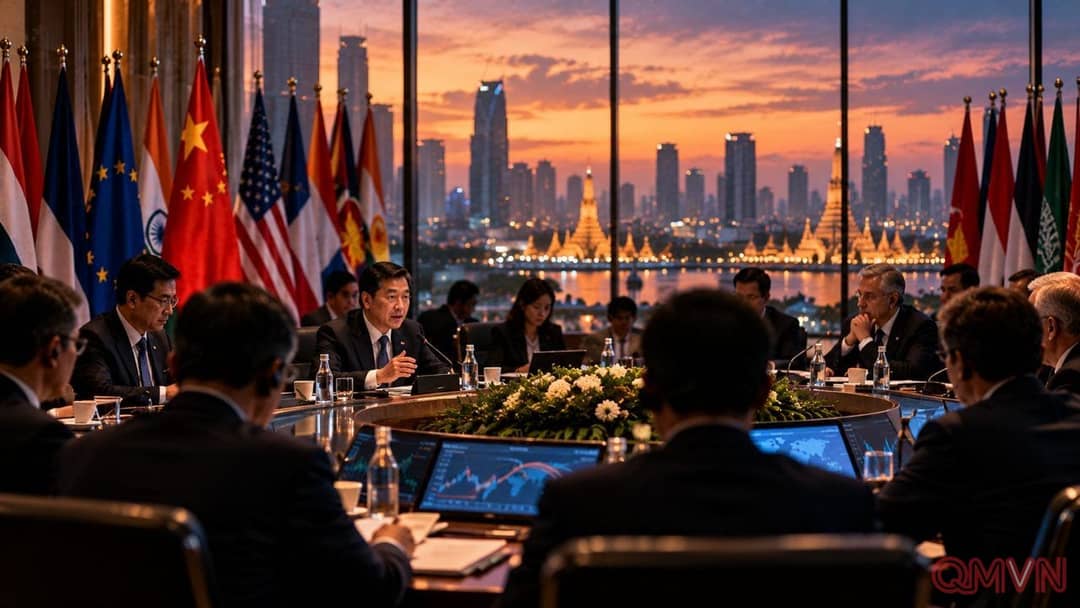
Speaking in Bangkok, Pan called for a broader understanding of global imbalances than current-account figures alone can provide. As financial integration deepens, capital flows, interest-rate differences and asset prices increasingly shape the economic pressure experienced by countries. Currency values respond to growth prospects, monetary policy, geopolitics and unexpected events. A stronger currency therefore does not automatically translate into a matching fall in a country’s external surplus.
This does not mean the exchange rate is irrelevant. China operates a managed floating exchange-rate system and says that avoiding destabilizing swings remains important. Yet Pan’s framework redirects attention toward structural questions: whether surplus economies can encourage domestic consumption and whether deficit economies can improve their own savings, investment and fiscal positions.
Beijing and Washington disagree over responsibility
Washington has framed the issue through fair competition and industrial policy. On October 16, US Treasury Under Secretary Erin Browne criticized non-market practices for distorting international trade and capital flows and called for stronger scrutiny by the International Monetary Fund.