MAIN CONTENT
A landmark judgment and a demanding legal test
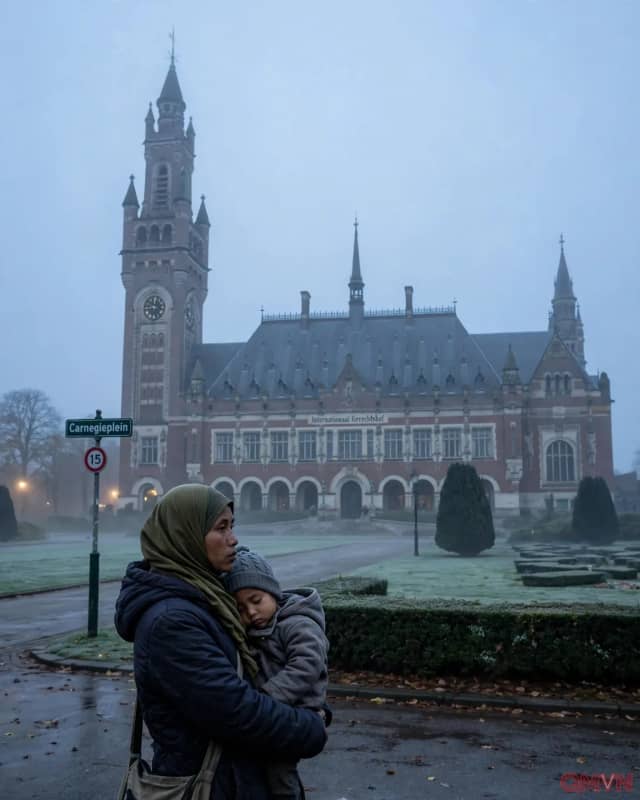
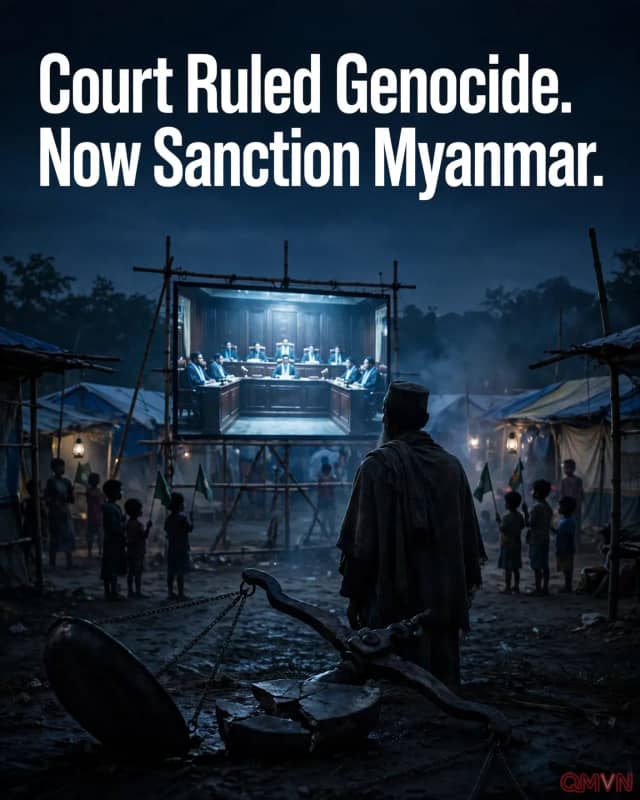
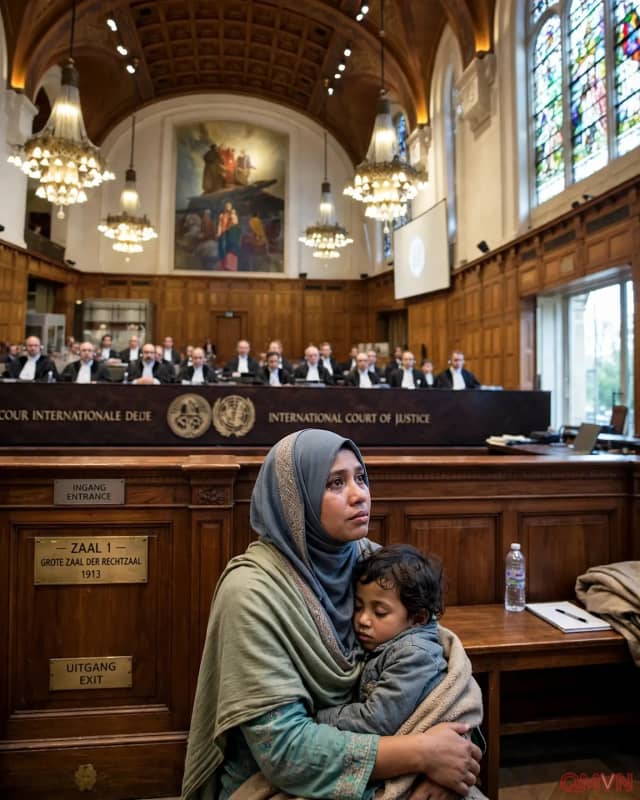
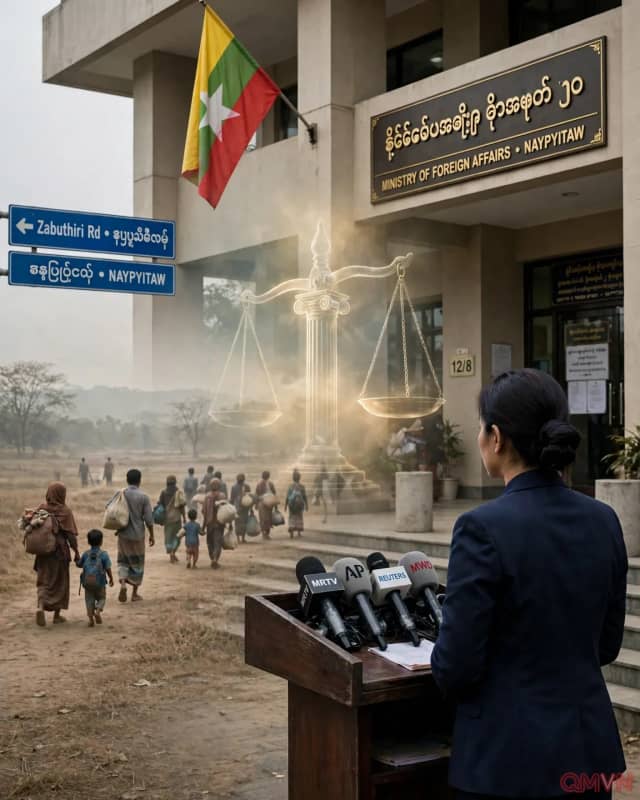
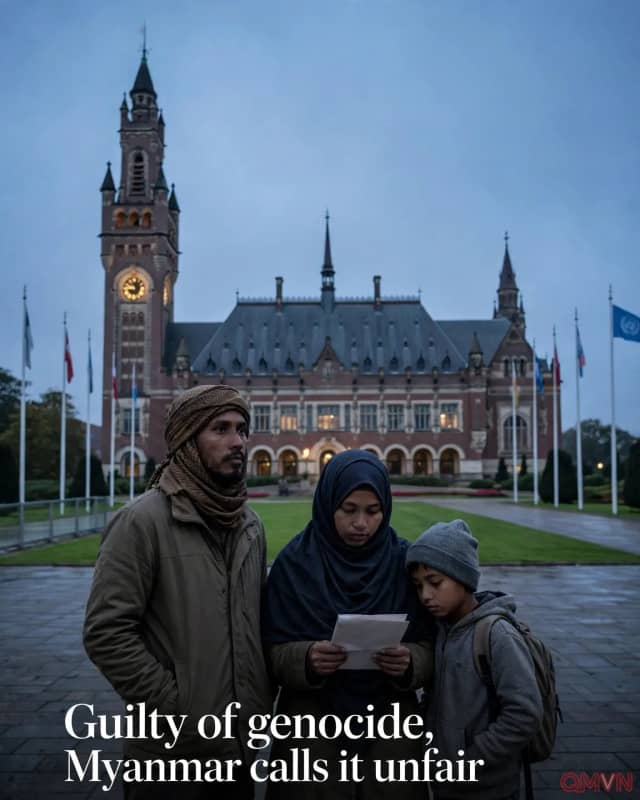
On November 19, the ICJ held that Myanmar had violated the 1948 Genocide Convention in its treatment of the Rohingya in northern Rakhine. The nine-to-six decision arose from proceedings initiated by The Gambia in November 2019. The court determined the responsibility of a state, not the criminal guilt of an individual. It also found that Myanmar had breached a duty to preserve evidence imposed under the provisional measures ordered in 2020. These distinctions matter because international courts have different mandates and remedies.
The finding required more than proof of atrocities. Genocide law demands a specific intent to destroy a protected group, in whole or in part. The judges concluded that the accumulated evidence met that stringent test. The decision therefore carries consequences beyond a determination that grave abuses occurred. It addresses how intent can be inferred from the pattern and scale of acts and adds to the comparatively small body of judgments in which a state has been found legally responsible for genocide.
What the evidence revealed about 2017
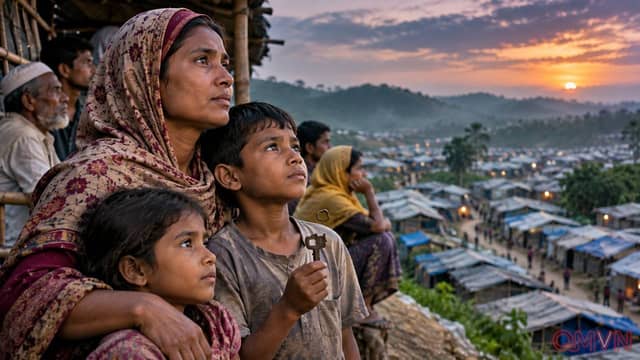
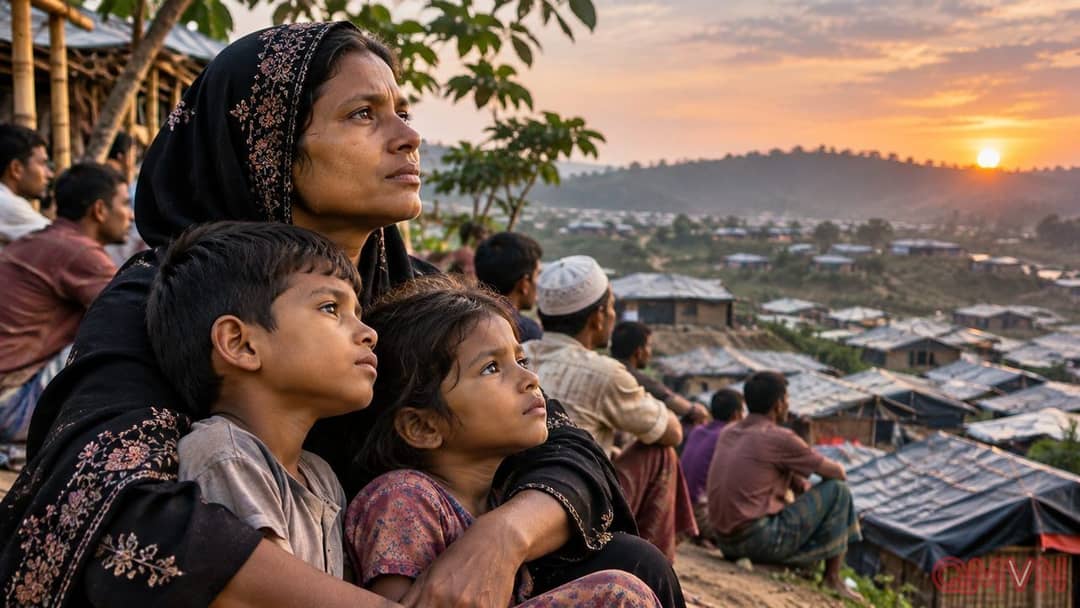
The court considered evidence of mass executions of Rohingya men and boys, widespread rape and other sexual violence against women, assaults on fleeing civilians and the destruction of villages in 2017. ICJ President Yuji Iwasawa described thousands of civilian killings and systematic brutality.