MAIN ARTICLE
A short strike with potentially long consequences
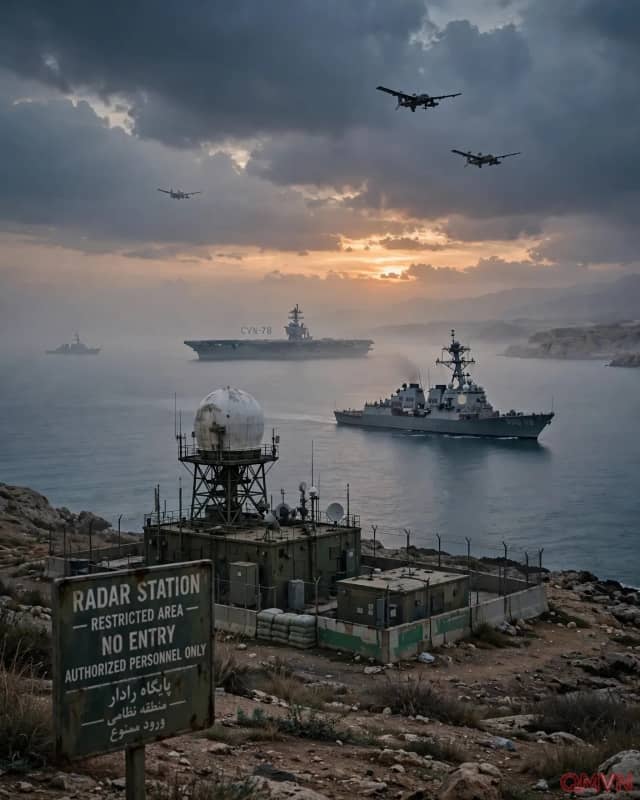
Speaking to reporters in West Palm Beach, Florida, on November 6, Trump characterized the operation against Iranian air defenses as “minor.” He said American forces had disabled a device within minutes, but offered little technical detail or independently verifiable evidence of its effects. Reuters cited Iranian reports that two projectiles struck Qeshm; early accounts did not establish casualties or the scale of destruction. A belligerent’s description of military success is not the same as an independently verified finding.
Qeshm borders a shipping passage central to petroleum trade and the economies of Gulf countries. Explosions there concern more than Iran’s ability to detect aircraft: shipping operators, insurers and energy traders also assess whether the next incident could disrupt maritime transit. U.S. forces conducted other strikes on November 2 that officials described as defensive, following reports of Iranian air-defense activity near American assets.
Calling an attack limited may accurately describe its intended scope, but does not establish that escalation is unlikely. Aircraft, missiles, tankers and armed personnel share a crowded environment where miscalculation can set off consequences far beyond a single target. The distinction between tactical restraint and strategic stability is therefore essential.