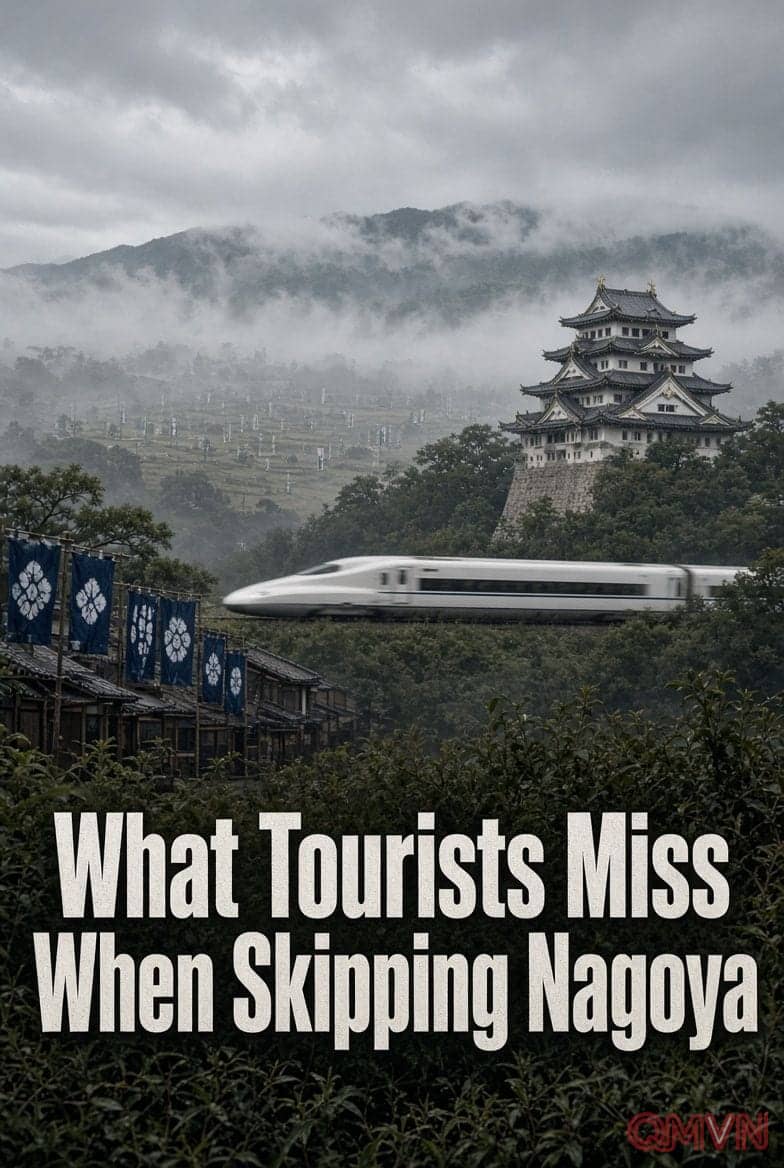
Sekigahara, the battlefield that shaped Japan
According to The Japan Times, from the fifth-floor observatory of the Gifu Sekigahara Battlefield Memorial Museum, visitors can gaze down over the narrow valley where more than 160,000 samurai clashed in 1600. The battle ended over a century of civil war and paved the way for the Edo Period (1603–1867), an era of peace, stability and cultural flourishing.
Yet on the morning the reporter visited, the museum had only a few dozen visitors, all of them Japanese. Ironically, the Tokaido Shinkansen runs right past Sekigahara, carrying tens of millions of tourists by the battlefield in the blink of an eye, while they flock to staged “samurai experiences” in the big cities.
The numbers behind the “skip”
The gap between the region’s potential and its tourism reality is clear in the figures:
- Japan received 42.7 million international visitors in 2025.
- Only 6.8% of visitors went to Aichi, barely more than remote Okinawa.
- Only 3.3% of visitors set foot in Gifu.
- The Nagoya metropolitan area is home to more than 10 million people.
The term “Nagoya-tobashi” emerged in the 1980s, when international musicians touring Japan often skipped the country’s fourth-most-populous city. Decades later, the label has still not been shaken off.