MAIN ARTICLE
An old consensus meets new questions
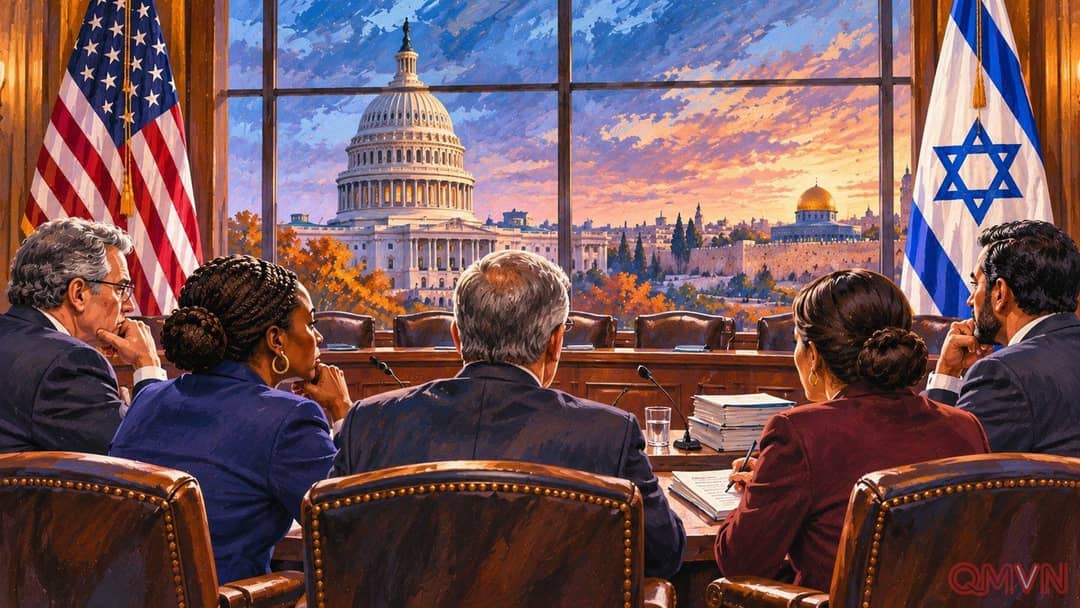
For decades, security cooperation with Israel was one of Washington’s more dependable areas of bipartisan foreign policy. Following the November 3 election, the balance of institutional power has shifted. Democrats can chair committees, schedule hearings and question the administration’s use of foreign assistance. The first change may therefore be less dramatic than an immediate funding cut: questions previously addressed behind closed doors could be asked in public, with witnesses compelled to answer.
Supporters of the alliance describe Israel as a vital security partner in an unstable region and point to the importance of missile-defense cooperation. Advocates of reassessment argue that assistance must also reflect American law, obligations toward civilians and credible oversight. These positions offer different answers, but both underscore that a durable policy needs sufficient public legitimacy to survive electoral change.
How military assistance could be reviewed
The 2016 memorandum of understanding offers a practical starting point. It envisages $38 billion in US security assistance to Israel during fiscal years 2019 through 2028, subject to congressional appropriations: $33 billion in foreign military financing and $5 billion for missile defense.