A rare neck-and-neck race
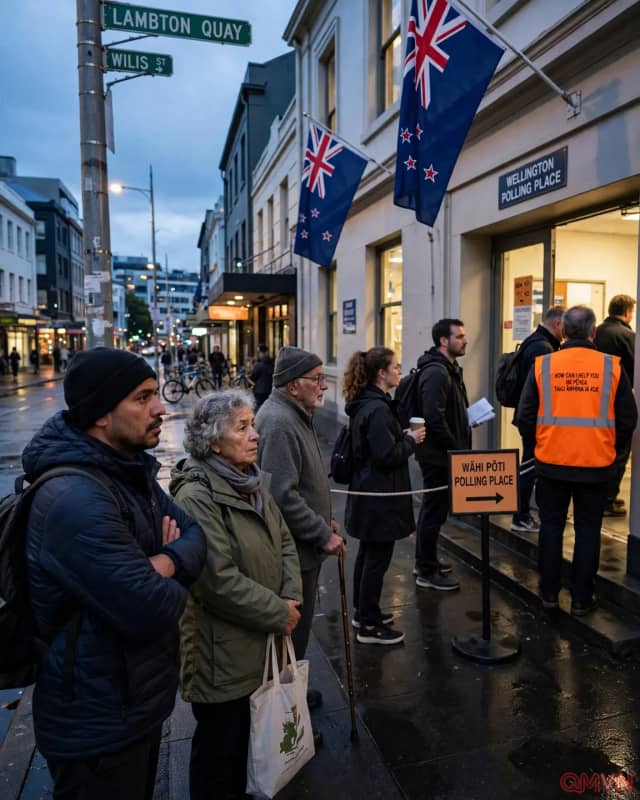
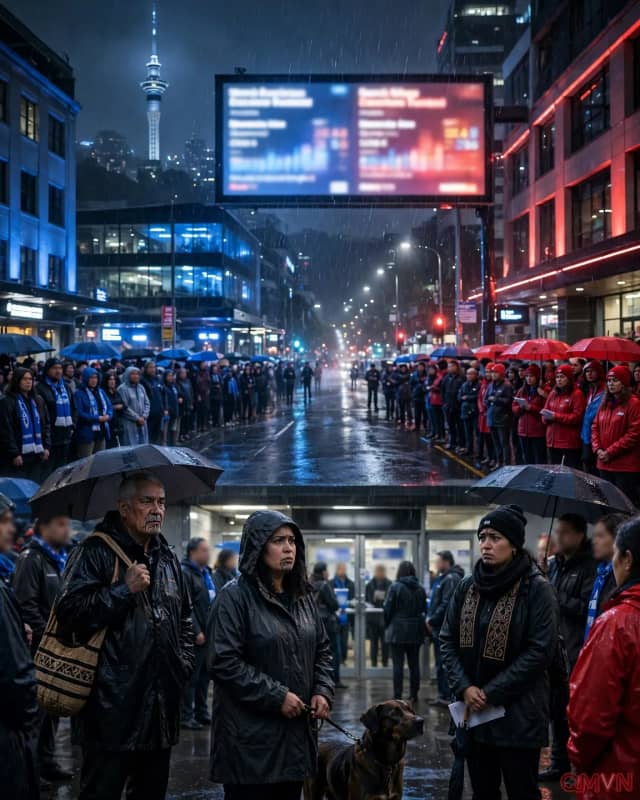
As soon as counting began on Saturday evening, the picture turned dramatic. According to New Zealand’s Electoral Commission, with 35.3% of results counted, both National and Labour sat just below the 30% mark, with a gap measured in a few thousand votes.
The official projection suggested the National-led three-party coalition, which also includes ACT and New Zealand First, could hold its parliamentary majority, but by just one seat. It is an advantage so fragile that any small shift during the count could turn the outcome around.
On the other side, left-leaning parties including Labour are aiming to make Luxon’s coalition New Zealand’s first one-term government in nearly half a century.
Special votes and the coalition puzzle
The Electoral Commission expected to report preliminary results from half of all voting places on Saturday night, but a new government could take weeks. A few features of the electoral system help explain why:
- Since 1996, New Zealand has used a mixed member proportional system: each voter casts a ballot for a party and for a local constituency candidate.