New South Wales police deploy military-style rifles across Sydney igniting debate over civil liberties and law enforcement militarisation
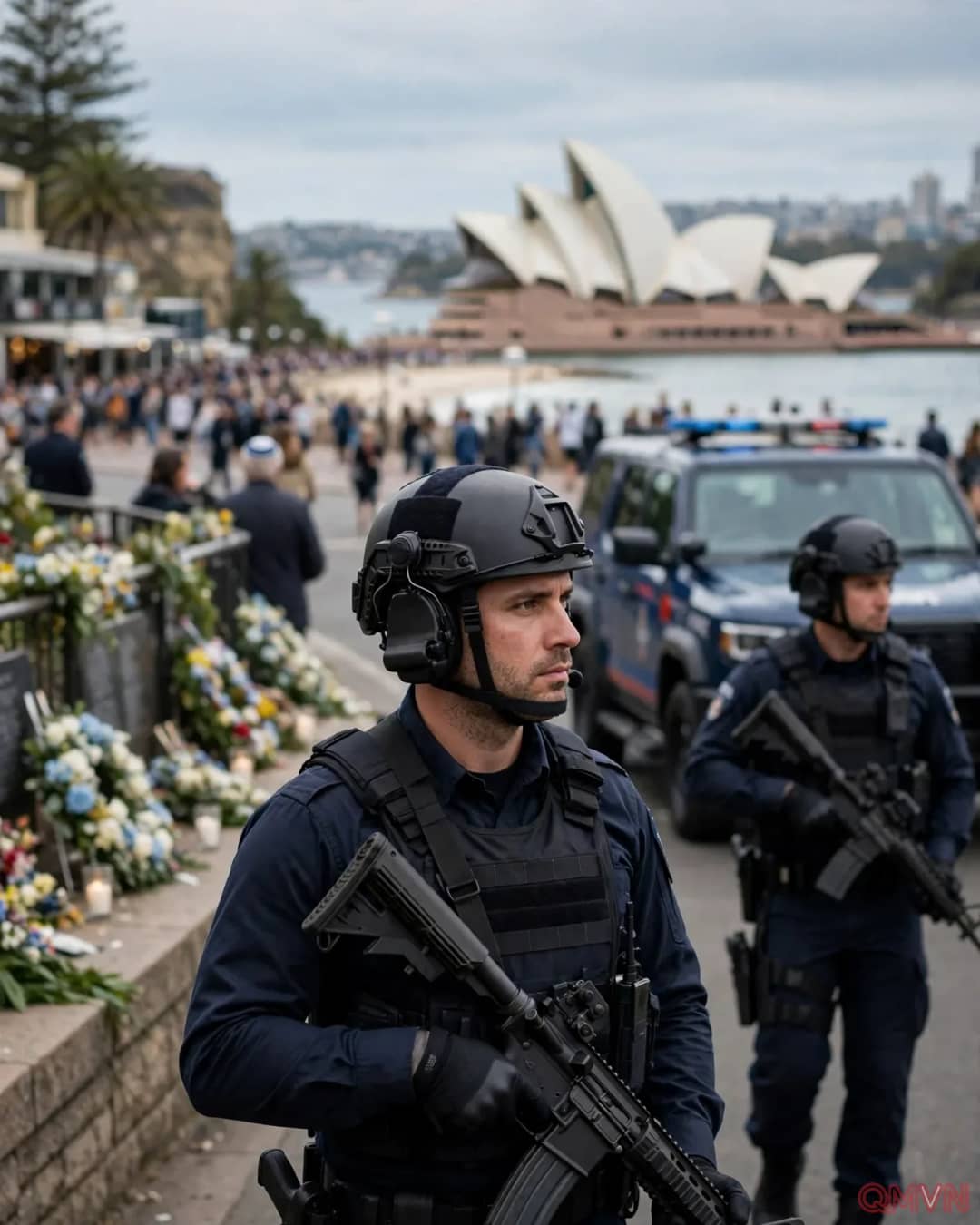
In an unprecedented institutional departure for Australian policing, the New South Wales police force has officially deployed a permanent specialized unit armed with military-style assault rifles to patrol major tourist precincts, transit hubs, sporting venues, and places of worship across Sydney. Established under the Armed Response Command (Arc) and comprising 200 rigorously trained tactical officers, the specialized initiative was formulated in the aftermath of the December 14 Bondi terror attack to redress severe firepower disparities encountered during mass casualty emergencies. While community representatives from vulnerable religious minorities have welcomed the visible armed deterrence to counter antisemitic violence, criminologists and civil liberties advocates have voiced profound apprehension regarding mission creep and the American-style militarisation of domestic civil constabularies. The initiative highlights a delicate democratic balancing act between rapid kinetic counterterrorism readiness and preserving traditional civilian community policing.
Edite QUANG MINH·2 min read · 3 min listen·31 October 2026, 23:44 EDT·
AI-generated illustration
MAIN BODY
Tactical firepower lessons from the Bondi terror tragedy
The administrative decision to openly equip frontline officers with high-velocity long-arm rifles emerged directly from evidence presented before the royal commission into antisemitism following the Bondi Hanukah massacre. Sworn testimony detailed how responding patrol officers carrying standard 9mm Glock sidearms were perilously outgunned by armed offenders wielding superior long-range centerfire rifles.
Advertisement300 × 250
*
"Operational readiness is about ensuring that if the community needs us on its worst day, we can perform at our best." — Superintendent Andrew Evans, Commander of the Armed Response Command
*
Commanders emphasized that the overriding doctrinal mandate of the Armed Response Command remains the preservation of innocent human life through instantaneous tactical intervention. High-visibility mechanized patrols deploying specialized interceptor vehicles aim to neutralize lethal threats before armed assailants can inflict catastrophic casualties in dense public venues.
Deploying 200 specialist tactical officers equipped with military-grade rifles in high-visibility Sydney public patrols.
Remedying severe ballistic range disparities experienced when handgun-armed officers engaged rifle-bearing shooters at Bondi.
Securing strong endorsements from targeted minority cultural groups seeking decisive physical protection at sacred gatherings.
Civil liberties scrutiny and comparative lessons from the New Zealand model
Despite official reassurances, legal scholars and human rights monitoring groups expressed alarm over potential deployment creep, particularly should heavily armed units be integrated into public assembly and protest policing. Academic specialists warn that fortifying high-profile monuments risks displacing asymmetric extremist violence toward unprotected softer targets in suburban peripheries.
*"No Australian wants to see officers with military weapons on our streets, but the sight of body bags is far worse." — Alex Ryvchin, Co-Chief Executive of the Executive Council of Australian Jewry*
International policing precedents offer critical cautionary guidance, most notably New Zealand’s swift termination of armed patrol trials following the 2019 Christchurch mosque attacks after sustained public backlash rejected militarized constabulary culture. Scholars argue that sustaining public consent in Australia will demand extraordinary institutional restraint, transparent oversight, and unyielding tactical discipline.
Counterterrorism researchers caution that hardened public sites may inadvertently displace violence toward vulnerable soft targets.
Examining New Zealand’s abandonment of routine armed patrols following community insistence on maintaining unarmed civil traditions.
Civil rights organizations demand stringent statutory protocols to prevent long-arm weapon deployment against peaceful public protests.
EVENT BACKGROUND
This historic policing transformation trace its immediate origin to the tragic mass shooting on December 14 at Bondi Beach, Sydney, where radicalized offenders armed with centerfire rifles attacked an outdoor Hanukah observance, leaving responding general duties police outranged and outgunned with standard-issue 9mm Glock pistols. The operational vulnerabilities laid bare during the tragedy prompted urgent lobbying by the Police Association of NSW for the permanent deployment of long-arm firearms across routine patrol networks. Although NSW riot squads have accessed long-arm weapons since 2017 with over 1,500 firearms issued force-wide by 2019, deploying a permanent, roving unit bearing military rifles in everyday civilian public spaces represents an Australian first. The core crux of the controversy lies in the fundamental friction between the imperative to neutralize modern high-powered terrorist violence and the deep societal resistance against adopting militarized law enforcement postures that risk fracturing public trust.
KEY LESSONS LEARNED
Enduring community security cannot be achieved through kinetic weaponry alone; it requires addressing the root grievances that foster violent extremism.
Militarizing civilian law enforcement carries profound societal risks that demand uncompromising institutional discipline and transparent oversight.
A resilient democratic society must vigilantly balance the requirements of physical public defense with the preservation of civilian freedoms.
Subscribe to the QMVN newsletter
A daily morning digest - only stories worth reading, no spam.