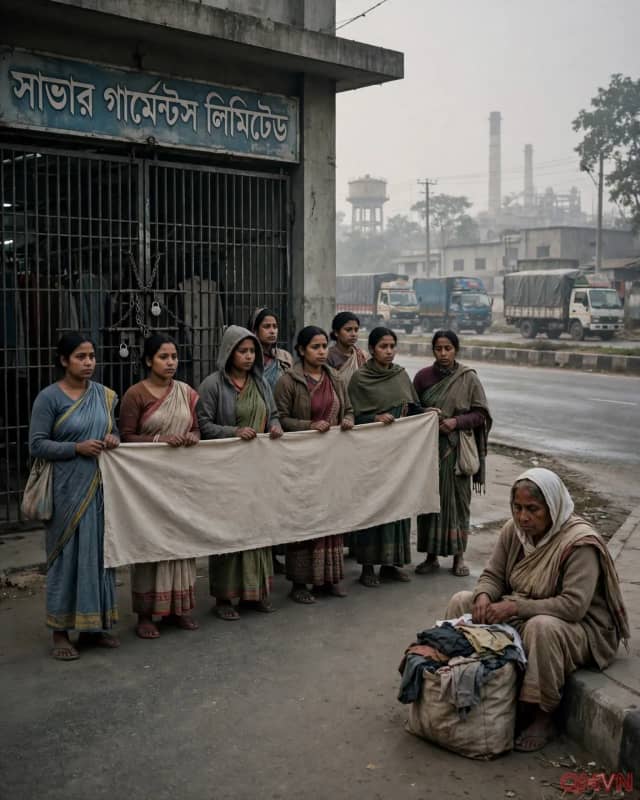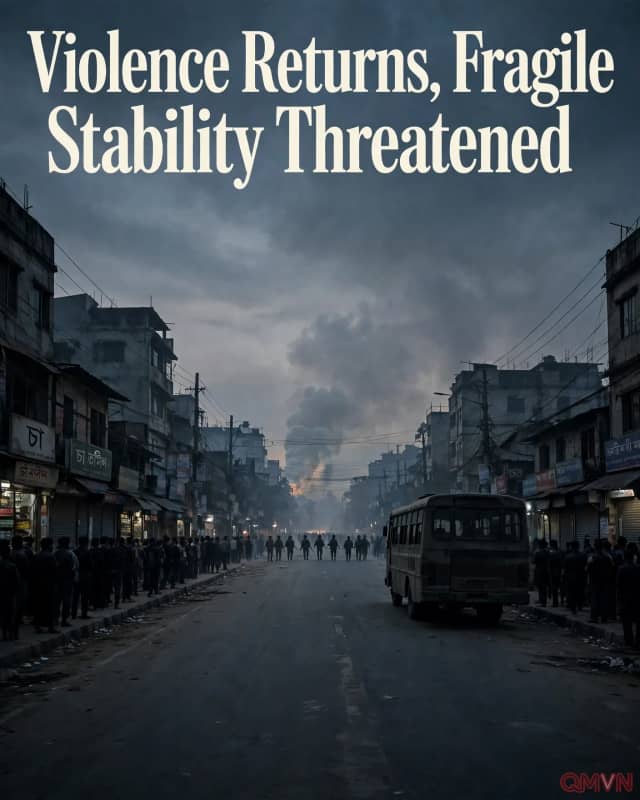
A wage board born amid tear gas
Labour and Employment Minister Ariful Haque Choudhury said the wage board was formed after discussions with workers’ representatives and industry leaders. The six-member body includes two representatives each from workers and employers, one government representative and one neutral member, and is tasked with reviewing pay in the garment sector and recommending new wage rates.
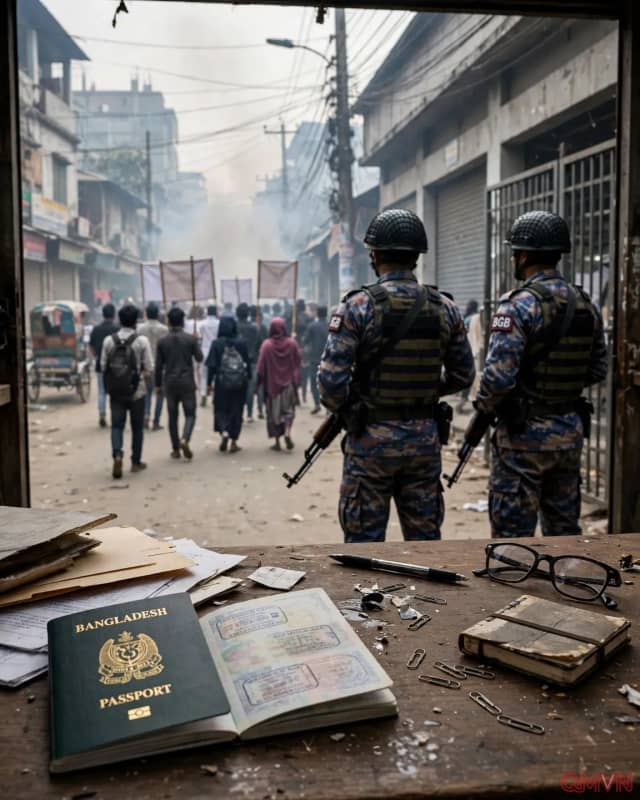
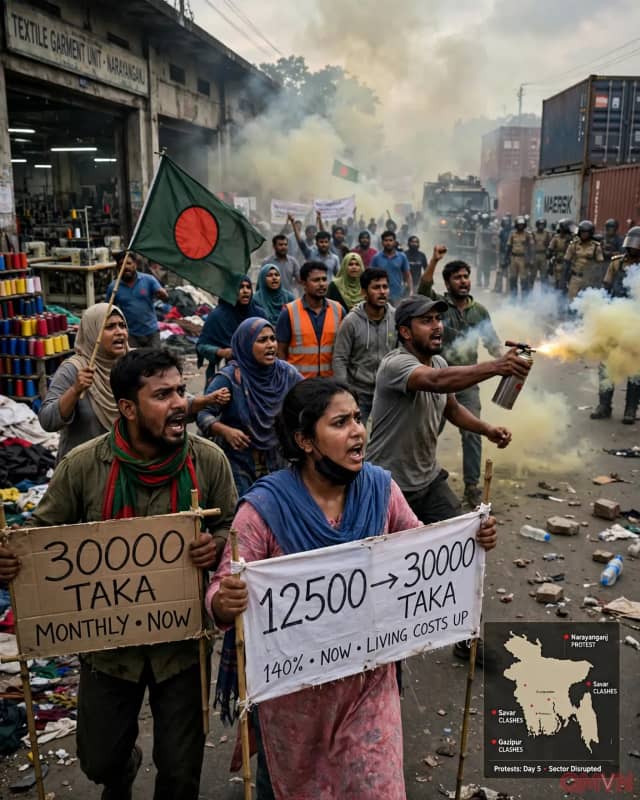
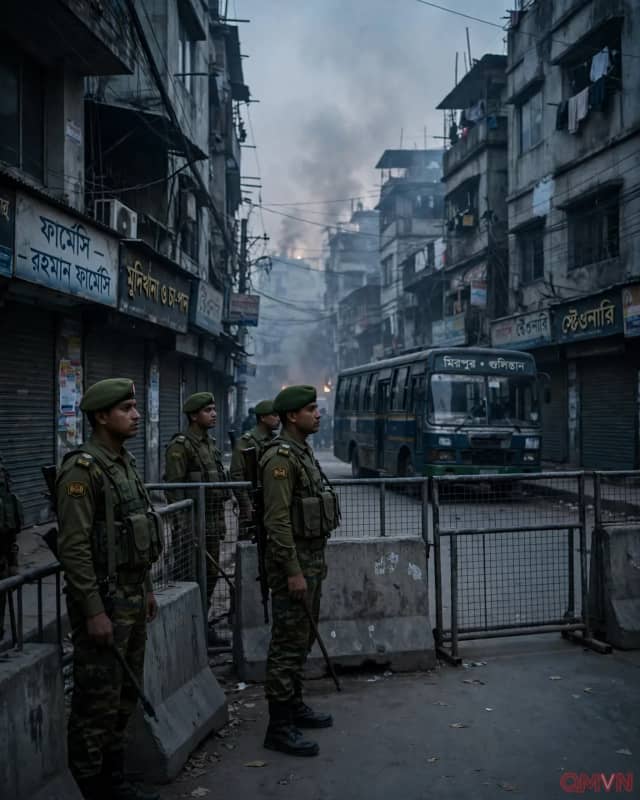
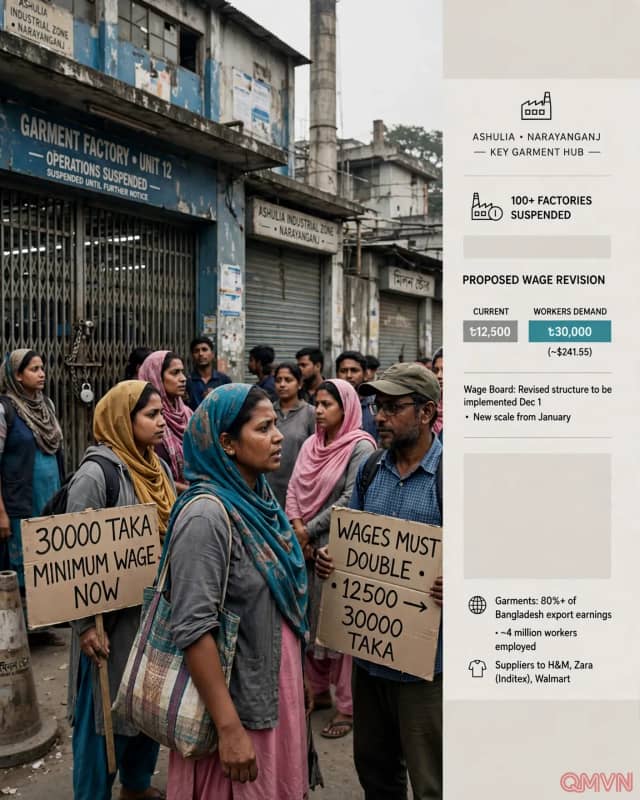
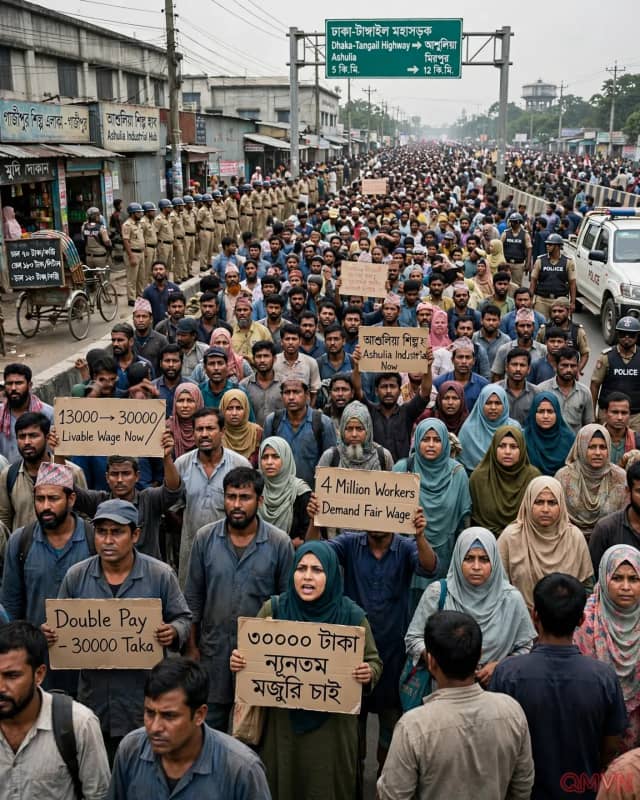
Even so, thousands of workers took to the streets on November 1, blocking roads in Dhaka and Gazipur and paralyzing traffic in key industrial zones. Police used tear gas and water cannon after protesters threw bricks at officers; a police vehicle and a police box were set on fire. Border Guard Bangladesh personnel were deployed to keep order. A day earlier, dozens of factories in Ashulia, a garment hub on the outskirts of Dhaka, had also suspended operations.
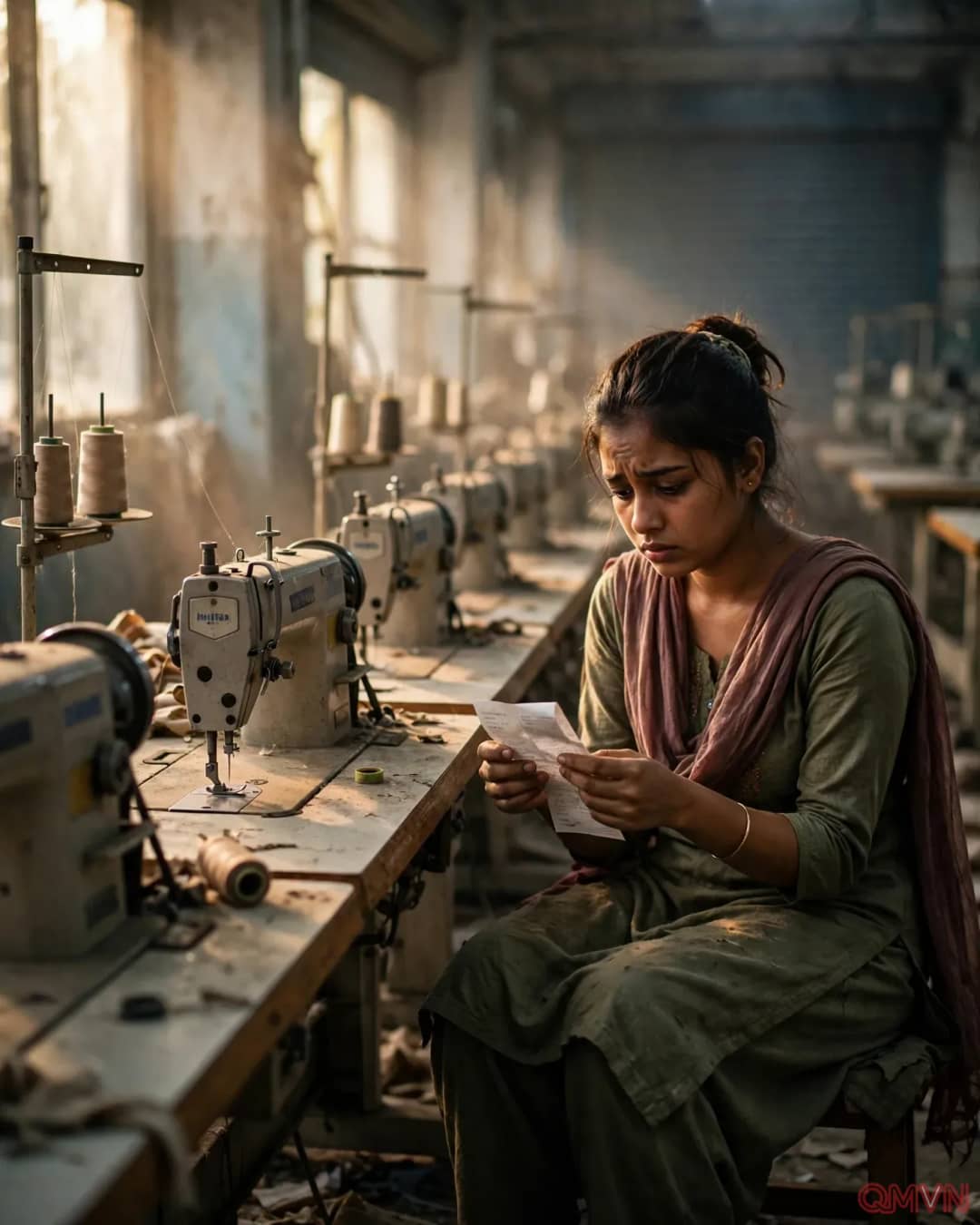
“The cost of living has increased far beyond our incomes. After paying rent, there is very little left for food, our children’s education and other essential expenses.” — Mahin Hossain, garment worker
The scale of the crisis
According to the Bangladesh Garment Manufacturers and Exporters Association (BGMEA), the unrest has hit the country’s main industrial hubs hard: