A potentially historic shift
According to Djoomart Otorbaev, Africa is seeing a potentially historic transformation in its economic relationship with China. Over the past two decades, China’s presence on the continent has been associated mainly with infrastructure projects, resource extraction and commodity trade.
Now a new phase is emerging. As a former prime minister of Kyrgyzstan, a country that also has extensive economic ties with China, he argues the trend deserves close attention because its effects could reach far beyond Africa.
East Africa, the main destination
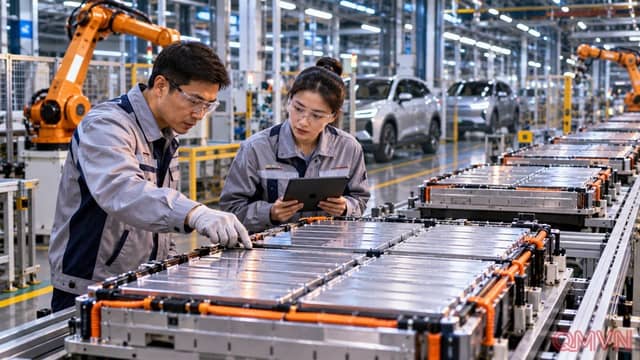
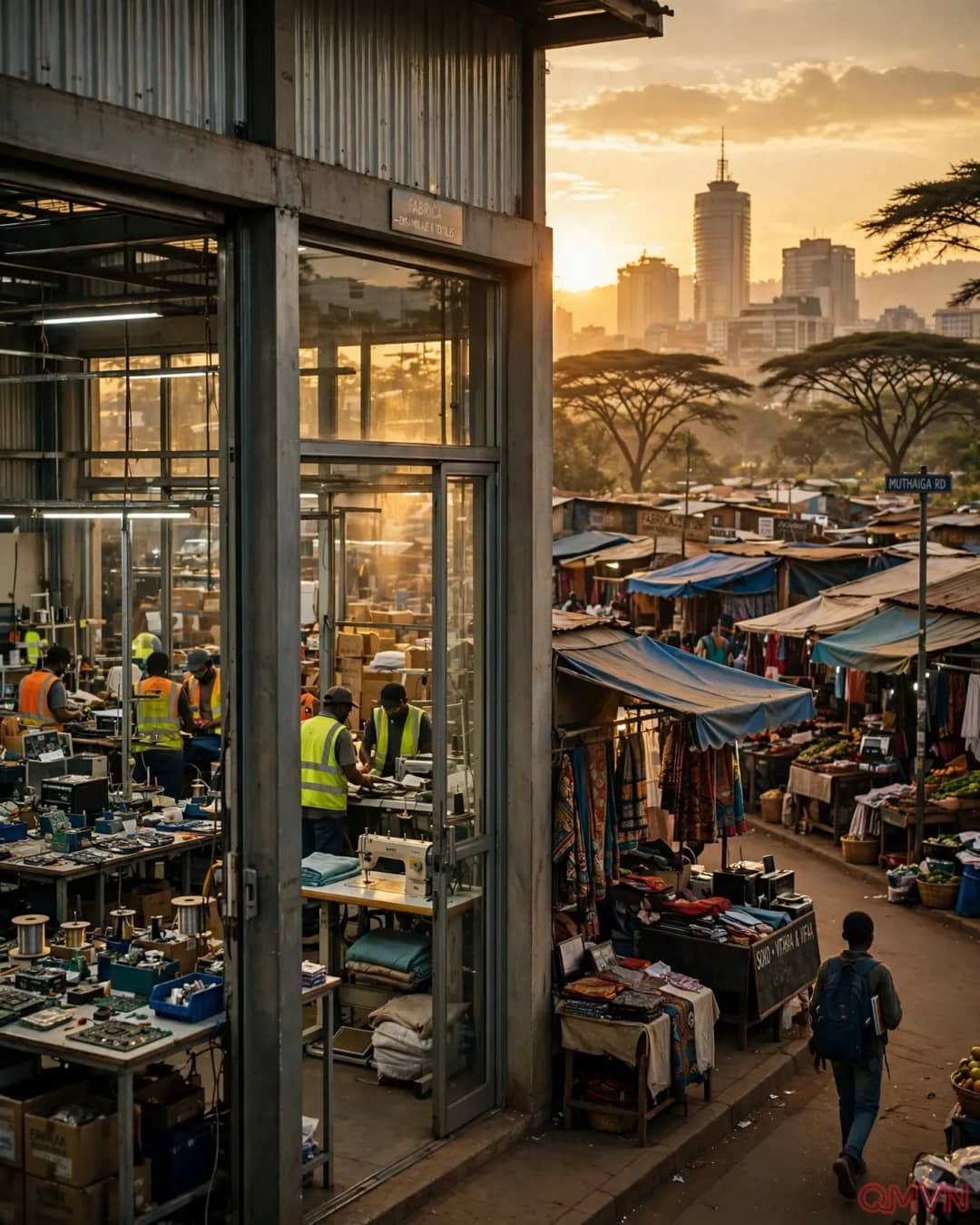
Chinese companies are increasingly establishing manufacturing operations on the continent, with East Africa, particularly Kenya and Tanzania, becoming the main destination. According to the author, this wave of investment brings Africa:
- Capital for manufacturing projects, supplementing limited domestic investment.
- Technology and production expertise, strengthening host countries’ industrial capacity.
- Jobs for the continent’s large and young workforce.
These are elements many African economies urgently need to move away from dependence on raw material exports.
A change in economic geography
According to Otorbaev, the significance of this trend goes well beyond the growing volume of Chinese investment. It marks a shift in the economic geography of China-Africa relations: from extracting resources and building infrastructure to producing goods, developing supply chains and accessing expanding consumer markets.
The shift comes as production costs rise in China, global trade barriers increase and Africa offers a young population and an emerging continental free trade area, enabling manufacturers to serve not only local markets but also export.
Opportunities and challenges
If well harnessed, this wave of manufacturing investment could help Africa accelerate industrialization, create millions of jobs and upgrade workers’ skills, changing the continent’s position in global value chains.
To turn potential into reality, however, African countries need better infrastructure, policy stability and mechanisms to ensure benefits reach local people, from technology transfer to labor and environmental standards. Debates over debt from the infrastructure phase also underline the need for transparent, mutually beneficial agreements.