Berlin stakes its claim
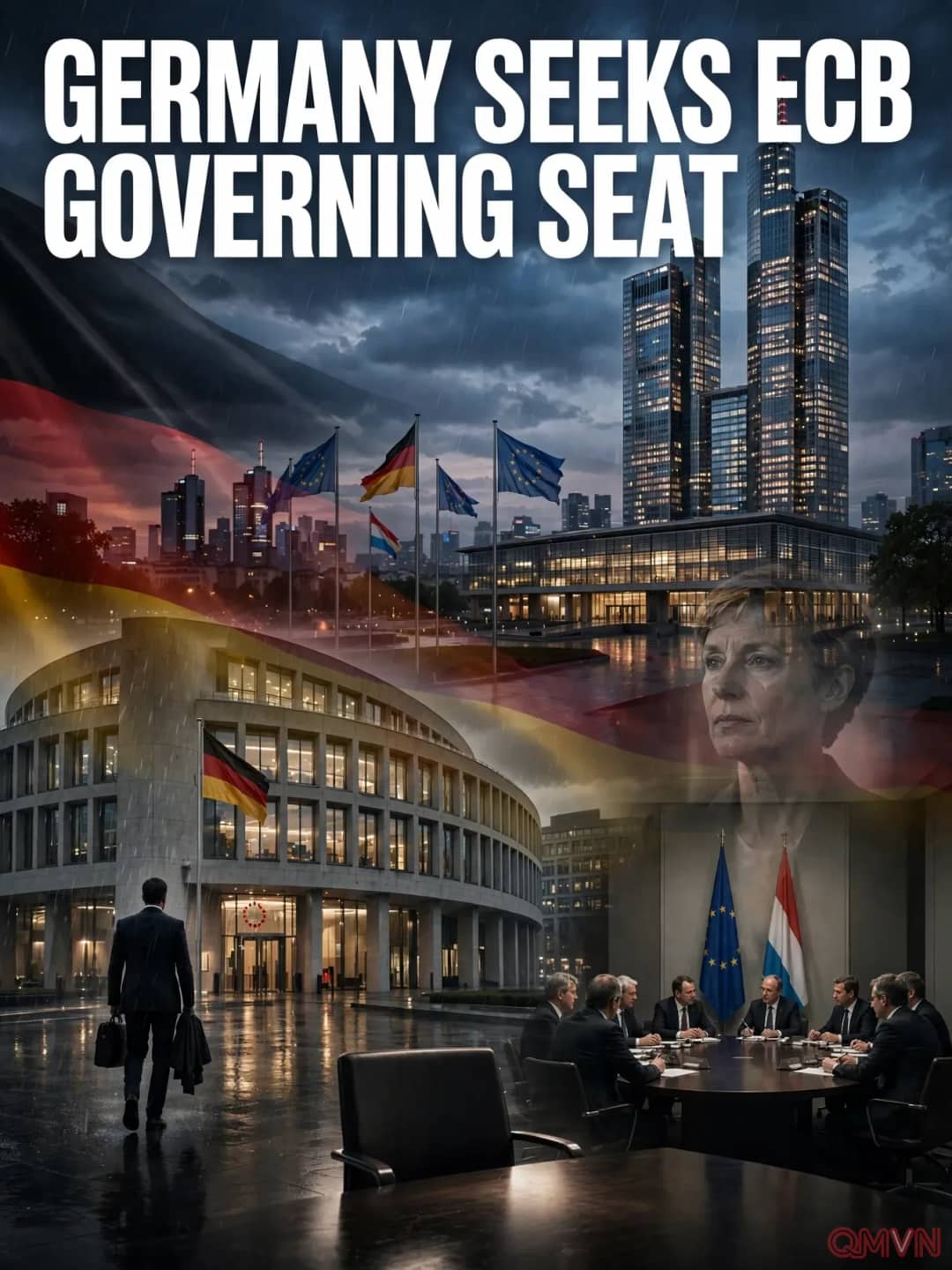
Klingbeil, who is also vice chancellor, said that in bilateral talks with his counterparts he found broad awareness of Germany's role within the ECB. His remarks were a clear signal that Berlin does not intend to let the seat held by a German national since the euro's creation slip away.
“We will put forward a German candidate.” — Lars Klingbeil
Under EU rules, Executive Board members are appointed by the European Council by qualified majority, on a recommendation from finance ministers and after consulting the European Parliament and the ECB's Governing Council. No country formally owns a seat, but by long tradition the largest economies, including Germany and France, have been represented on the board.
An influential hawk departs early
Schnabel joined the Executive Board on January 1, 2020, weeks before the COVID-19 pandemic upended the global economy, and her term was not due to end until the end of 2027. Responsible for market operations, she oversaw the ECB's bond-buying and reinvestment policies and became one of the most closely watched voices on inflation and interest rates.