MAIN CONTENT
A meeting that did not materialize
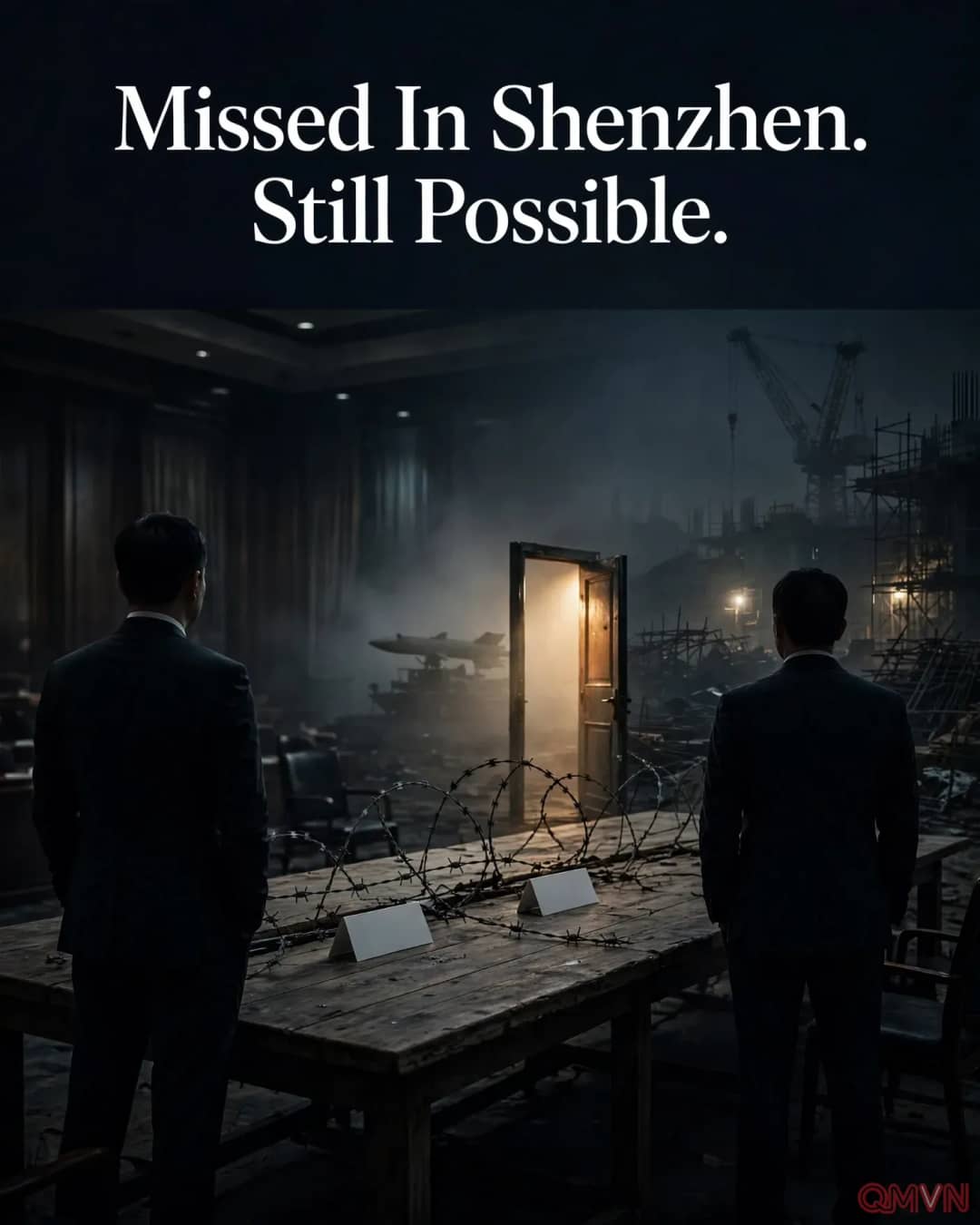
The Shenzhen summit brought together President Trump, Chinese President Xi Jinping and Russian President Vladimir Putin, but not Kim Jong-un. As reported by Yonhap and The Korea Herald, Trump departed China on November 19 without the widely discussed encounter. He subsequently told NBC News that the relationship remained and suggested a meeting could happen later. That statement was an expression of his interest, not evidence of confirmed negotiations or a scheduled summit.
Before the gathering, the prospect had generated competing interpretations. Some observers viewed the gathering of major powers as a rare opening for contact; others noted that Pyongyang had offered little public indication that Kim intended to travel. South Korean officials had also cautioned against expecting talks. The distinction matters: diplomatic speculation can create attention without demonstrating that either side has accepted the other's conditions.
The unresolved nuclear question
The central disagreement has survived multiple rounds of leader-level diplomacy. A November 18 US State Department fact sheet reaffirmed the goal of complete denuclearization of the Democratic People's Republic of Korea and enforcement of relevant United Nations Security Council resolutions.
North Korea, by contrast, insists its nuclear status is not a bargaining chip to be surrendered as the price of entering negotiations.
Sogang University professor Kim Jae-chun told The Korea Herald that Washington's invitation to meet and Pyongyang's demand for recognition of its status effectively start from different premises. A freeze, verification arrangements, sanctions relief and longer-term arms reductions might provide material for discussion, but no mutually accepted sequence has been announced. A meeting without such groundwork risks repeating earlier impasses.
China and Russia alter the equation
Pyongyang's closer links with Moscow and Beijing complicate the incentives that once made direct engagement with Washington attractive. The Korea Herald describes increased military cooperation with Russia and growing economic exchanges with China. These relationships do not eliminate North Korea's sanctions burden, but they may reduce its immediate need to seek concessions through an American summit.
The joint declaration from Trump, Xi and Putin in Shenzhen called for dialogue on nuclear risks and nonproliferation. As Yonhap reported, however, the text made no specific reference to the North Korean program or to denuclearization of the Korean Peninsula. Reading it as a breakthrough for US–North Korea talks would go beyond the document; reading it as an opportunity for future diplomacy is an interpretation, not a concrete commitment.
The opening—and its limits
University of North Korean Studies professor Yang Moo-jin sees the absence of an outright rejection as room for renewed contact, according to The Korea Herald. Other analysts emphasize the difficulty of offering sanctions concessions before meaningful commitments on nuclear weapons. Neither assessment amounts to a confirmed timetable. The two governments have yet to demonstrate that their negotiating starting points have converged.
For South Korea, any renewed channel would carry both possibilities and concerns. Lower tensions and practical risk-reduction measures could benefit regional security, but concessions reached without close consultation could unsettle allies. A durable process would need credible steps, verification, reciprocal obligations and a clear understanding of how Seoul's security interests would be heard. The test is not simply whether Trump and Kim sit together, but what happens after they leave the room.