One pipeline, two ambitions
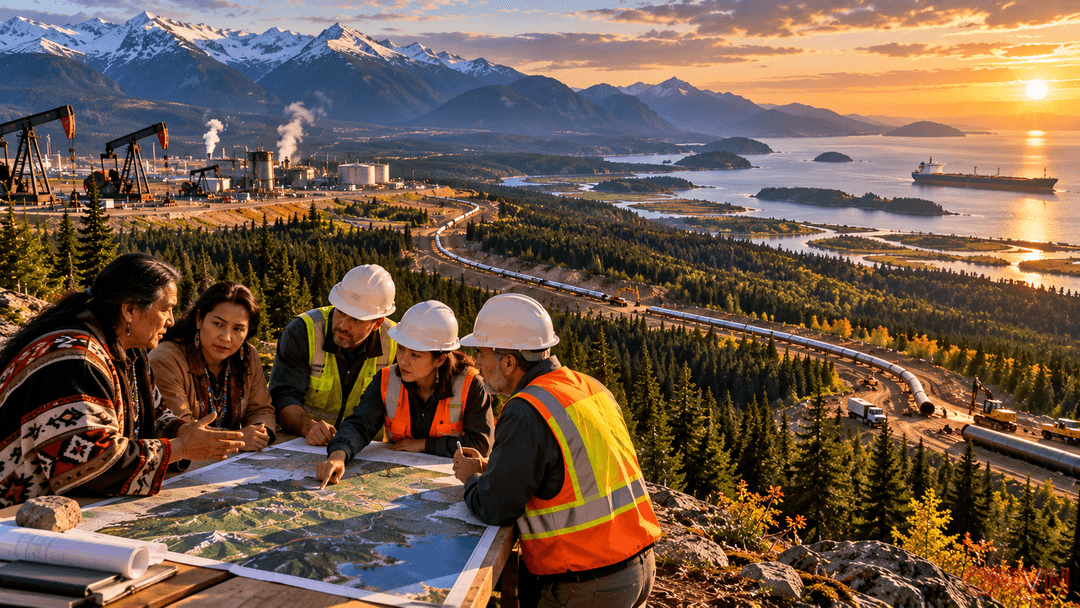
At Fort McMurray in Alberta’s oil-sands region, Carney placed Pacific Link under the national-interest provisions of the Building Canada Act. The designation streamlines how federal authorities assess the proposal, but does not mean every environmental, routing or construction authorization has been granted. Ottawa aims to complete the federal review by September 1, 2027, while detailed design, financing and consultation remain substantive tasks.
The commercial rationale is a wider export horizon. Roughly nine-tenths of Alberta’s oil currently moves to the U.S., leaving the province exposed to a single customer and trade-policy shocks. Ottawa projects that Pacific Link could move one million barrels daily, support 140,000 jobs and generate over C$20 billion in annual GDP. Those figures represent the government’s forecasts of benefits, not independently observed returns from a pipeline that has yet to be constructed.
What exactly will Albertans decide?
The October 19 vote follows years of discontent among some Albertans over federal emissions rules, energy development and the distribution of political authority. The referendum question is narrower than an immediate declaration of separation: Albertans will decide whether the province should stay in Canada or begin the legal process leading toward a later, binding independence referendum under the constitution.