MAIN CONTENT
A new opening, not a change of allegiance
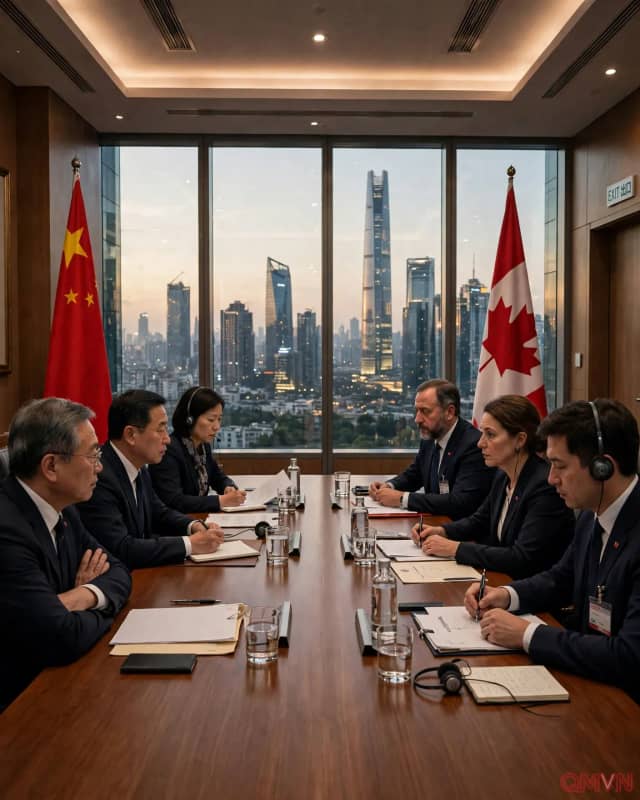
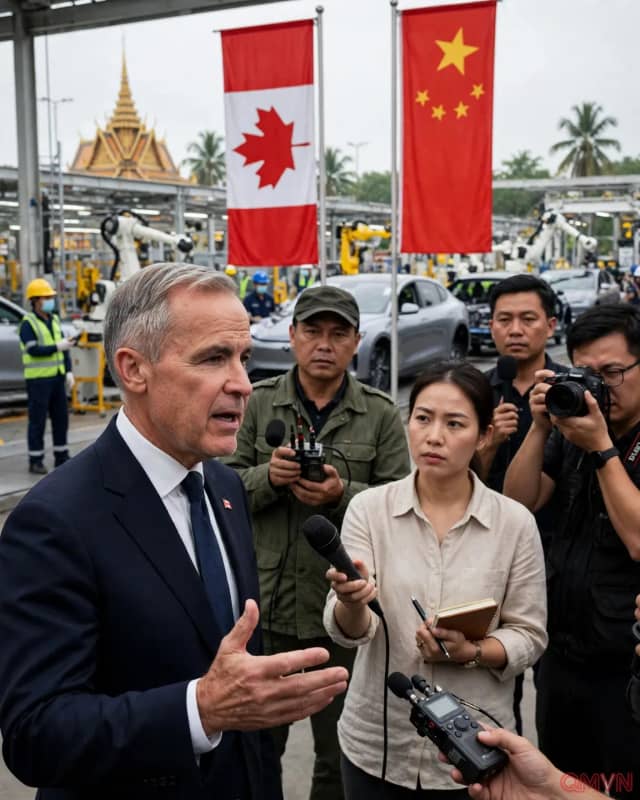
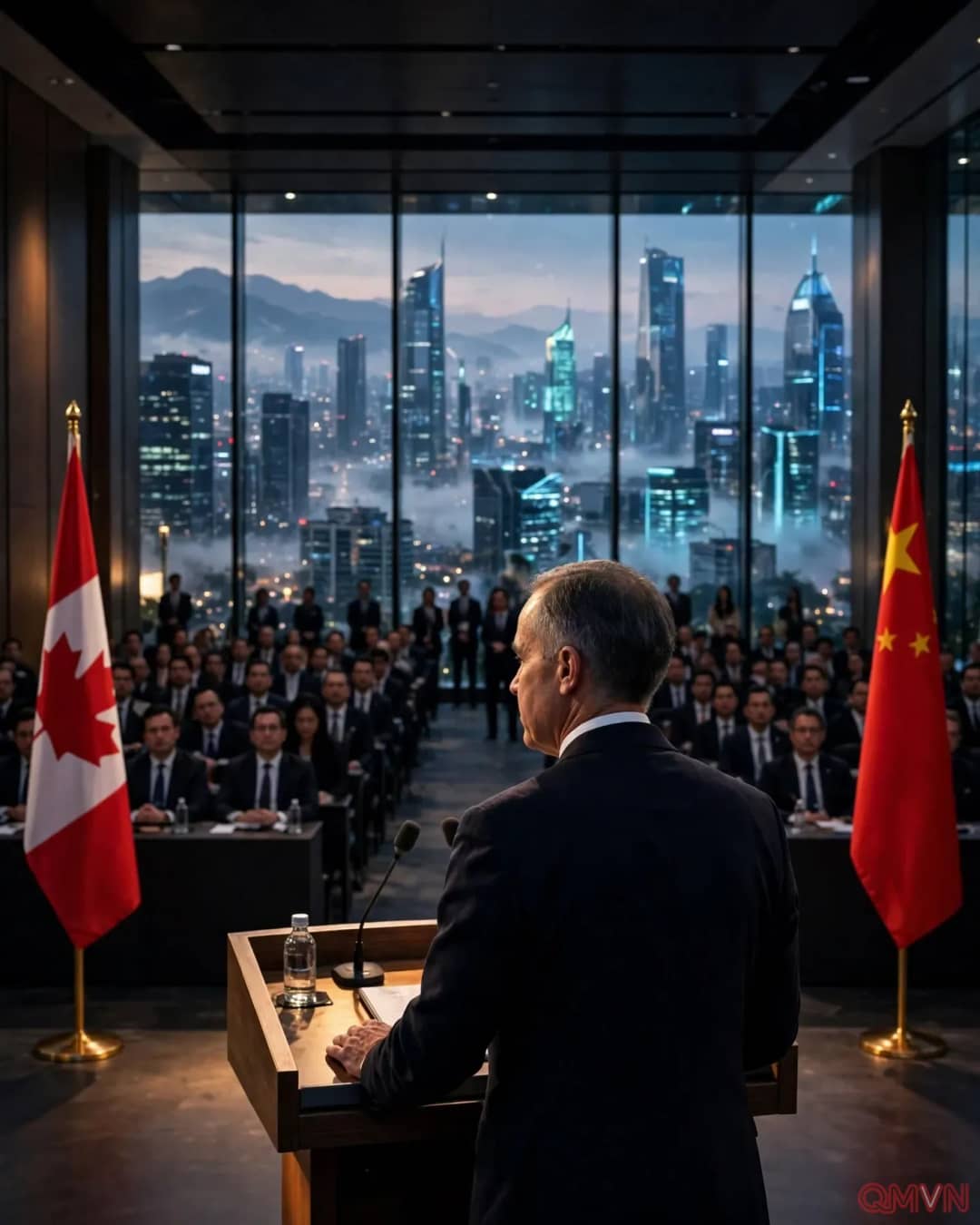
Addressing business leaders at the Asia-Pacific Economic Cooperation gathering in Shenzhen, Carney linked commercial resilience to financial plumbing. Companies reliant on a narrow set of currencies or payment channels, he argued, are more vulnerable when disruptions strike. Canada and China are moving to give financial firms wider access to one another’s markets; he also pointed to the renewal of a central-bank currency swap arrangement. Those mechanisms can help support settlement and liquidity, although they are no guarantee against wider market stress.
The symbolism is striking because the relationship has spent years under strain. Foreign Minister Anita Anand described the government’s method to Reuters as a gradual, step-by-step re-engagement. That caution matters: the opening is being built around particular sectors and practical safeguards, not an unconditional endorsement of Beijing’s policies or a sweeping free-trade pact. Carney has ruled out pursuing a full bilateral free-trade agreement, according to Reuters reporting.
Farmers, seafood producers and the shape of the bargain
The most tangible concessions concern goods that can be priced, shipped and sold. Following talks with President Xi Jinping, the Canadian government said China would provide additional tariff relief covering approximately C$400 million of Canadian exports.