MAIN CONTENT
A question of enforcement beyond Gaza
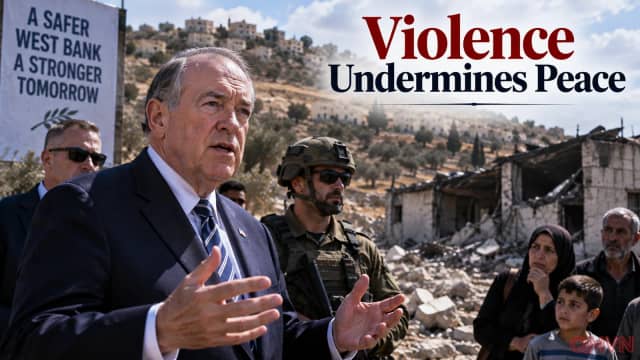
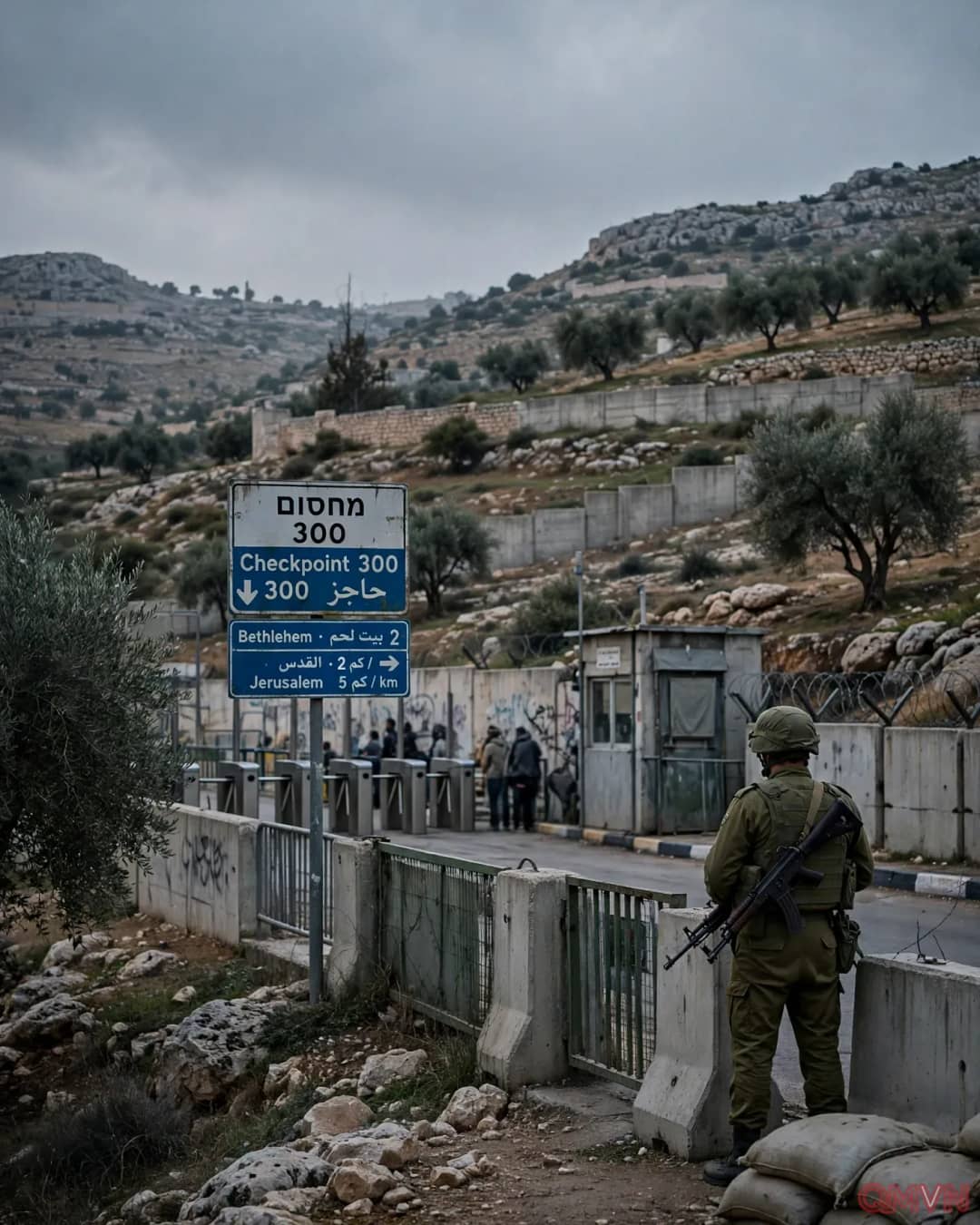
The Haaretz report places the West Bank at the centre of a debate previously focused largely on Gaza. Its headline and opening paragraph indicate that the military is investigating suspected incidents there. However, the publicly available material does not disclose a complete inventory of cases or explain which incidents have reached the stage of a formal criminal investigation. It would therefore be premature to treat every allegation as a proven offence or to assume that all complaints are being examined.
The reported Lebanon incident adds another geographical dimension. Without fuller evidence, the circumstances of the death and any individual responsibility remain unresolved. What matters for an investigation is whether the evidence supports each specific allegation, rather than whether a general pattern appears plausible. The same standard should apply to claims made by military officials, witnesses and advocacy groups.
Earlier testimony and the military's position
In May 2025, the Associated Press interviewed Palestinians who described being coerced into military activities in Gaza and the West Bank, as well as Israeli military personnel who said they had participated in such practices. Their accounts raised concerns about the possible breadth of the conduct and the involvement of commanders.
These interviews are evidence worthy of examination, not substitutes for judicial findings.
The IDF told AP that it prohibits the use of civilians as shields and other forms of coercion into military operations. It also said it was investigating suspected cases. Israel has separately accused Hamas of using civilian populations as shields. Those allegations likewise require assessment on their own evidence. Wrongdoing by one party does not remove the obligations of another, nor can it justify placing people who are not participating in hostilities in deliberate danger.
What the law requires
The International Committee of the Red Cross (ICRC) identifies the prohibition as Rule 97 of customary international humanitarian law. The rule applies to international and non-international armed conflicts. Article 28 of the Fourth Geneva Convention also protects civilians covered by the convention against being used to shield locations from military operations. The precise legal classification of any incident depends on its circumstances, including the conduct and intent of those involved.
A credible inquiry must distinguish between evidence of individual misconduct and evidence of broader failures of supervision. It should establish what orders were issued, whether they were followed and how complaints were handled. Investigators also need to protect witnesses from retaliation, preserve relevant records and make findings available to the public to the extent consistent with safety and fair proceedings. The announcement of an investigation is a beginning, not proof that accountability has been achieved.
The human cost of coercion
For civilians, being compelled to take part in an operation can destroy the sense of security attached to their own homes and communities. Fear may persist long after a person has been released. Families may also face uncertainty about missing relatives or hesitate to seek assistance because they fear further harm. These consequences deserve attention independently of the outcome of criminal proceedings.
Effective protection requires more than disciplinary rules. Military institutions need clear reporting channels, training, supervision and a credible response when orders are challenged. Victims should have access to appropriate medical and psychological support and avenues for seeking redress. Independent scrutiny can help establish whether safeguards work in practice. The ultimate measure of a prohibition is whether it prevents harm, not simply whether it appears in official documents.