The wounds that cannot be seen
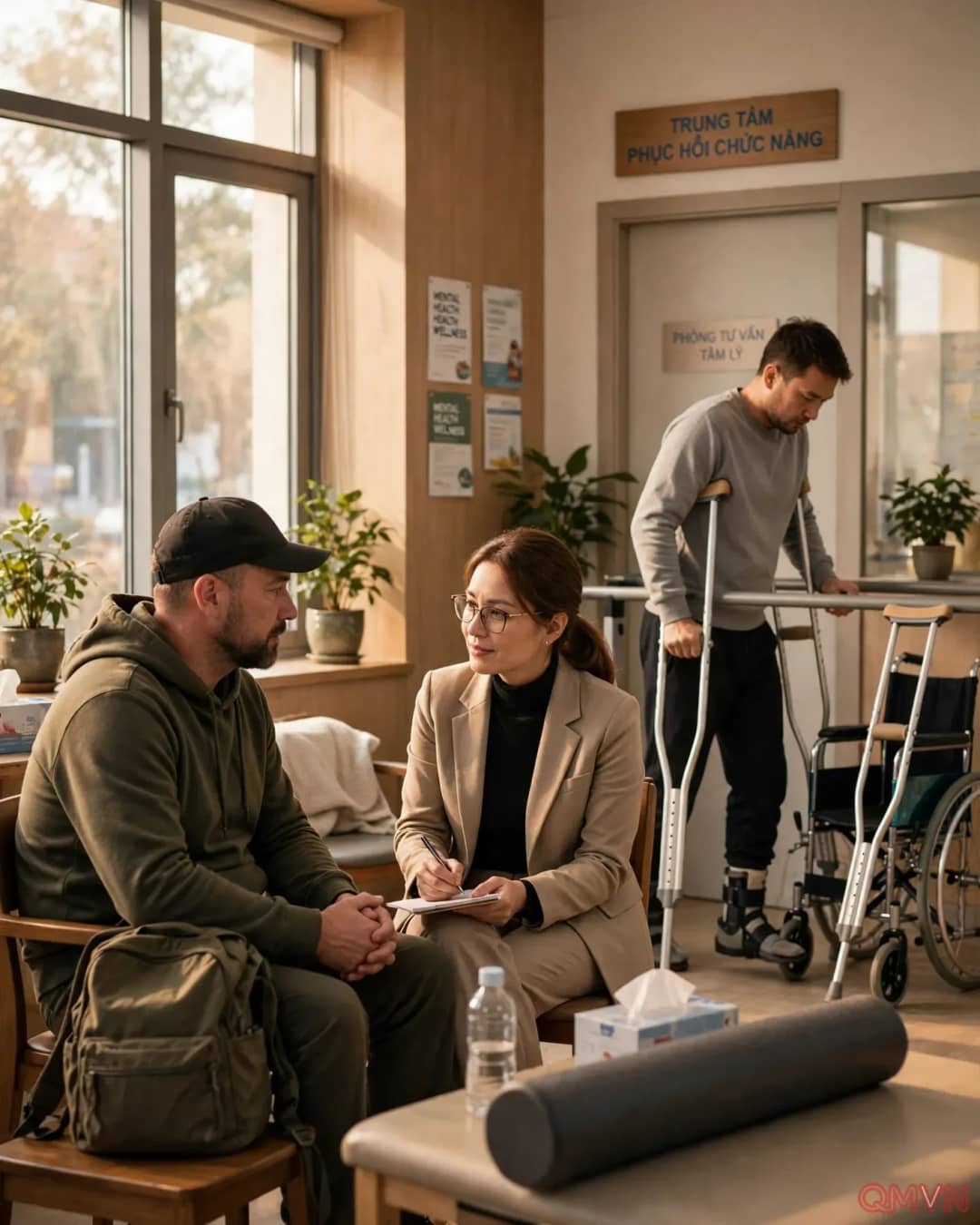
According to the ministry, of the 19,600 receiving care for psychological conditions, 10,100 are coping with psychological harm alone and 9,400 with both physical injuries and psychological conditions. The Rehabilitation Department serves wounded veterans from all of Israel's security bodies, not just the military.
Including earlier wars, the total number of wounded under the department's care has reached 92,300, 47% of whom are coping with psychological harm.
The ministry has previously forecast that the figure will exceed 100,000 by 2028, with roughly half related to mental health.
The numbers behind the war
The ministry's data show the severity of injuries since 7 October:
- 63 people are classified as having over 100% disability, the most severe level; 249 have severe head injuries, 10 are blind and 106 are amputees.
- About 8% of security personnel wounded in the past three years are women, and 58% are reservists.
- Among those wounded in earlier wars, 33,300 are under 40, 932 are over 90 and nine are over 100.
The high share of reservists reflects the nature of Israel's military, in which hundreds of thousands of ordinary citizens are called up, leaving jobs and families to fight for long periods.
A system under strain
The Rehabilitation Department's budget has grown from NIS 5.2 billion (about $1.8 billion) before 7 October to NIS 10 billion (about $3.4 billion) today. Even so, it has struggled to meet demand, with some wounded veterans waiting months for medical committee hearings and other services.
The ministry has previously acknowledged before parliament a severe shortage of caseworkers for veterans with PTSD. Advocacy groups for the wounded have repeatedly called for faster and better services.
Reform to keep up with demand
In July 2026, Israel's parliament approved the largest overhaul of the rehabilitation system in decades, based on the recommendations of a public committee. The reform turns the Rehabilitation Department into a national authority with greater powers, more staff and more independence.
The committee also proposed assigning every wounded person a dedicated case manager, expanding digital services and letting veterans choose where to receive treatment. The success of these reforms will determine whether tens of thousands of people can return to normal life soon.