Statistical Breakthrough for the Digital Platform Workforce
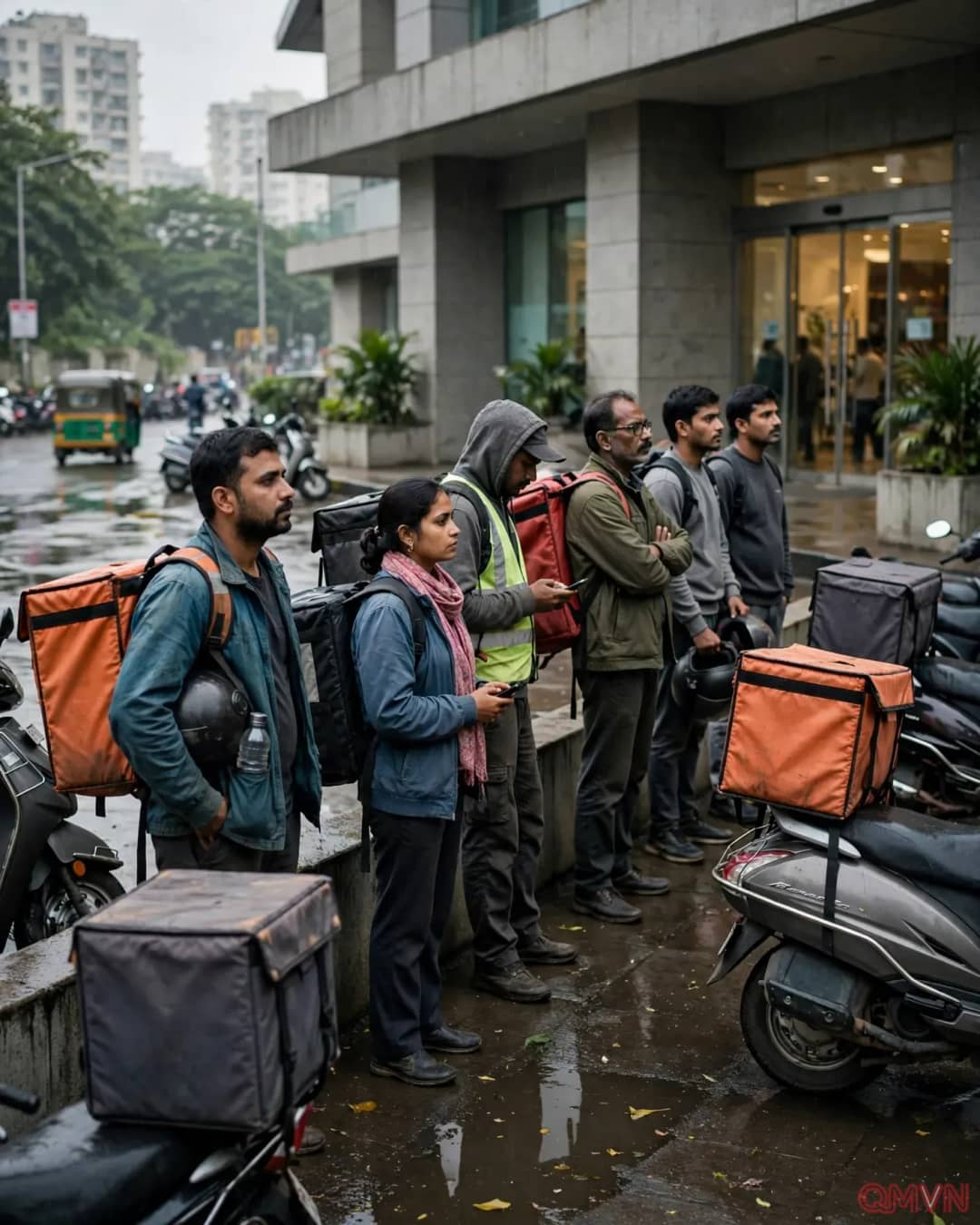
India's statistics ministry confirmed that the national labor survey will incorporate a standalone classification category specifically dedicated to digital platform workers. The modernized field inquiry will poll a broader cross-section of rural and urban households to accurately identify family members participating in app-enabled gig networks, such as on-demand ride-hailing and e-commerce delivery logistics.
Official findings from the government's economic survey revealed that India's gig workforce surged by 55% over the five years leading up to 2025-2026, representing an estimated 2% of the total domestic labor force. The historical absence of dedicated survey parameters frequently omitted these workers from public safety nets and regulatory labor frameworks.
This initiative to estimate platform gig workers is a half-step as there are a large number of informal gig workers who are not on any platform.
Formal Economic Recognition for Unpaid Domestic Labor
In an essential move toward social equity, the proposed survey revisions establish formal accounting for non-monetized economic and caretaking contributions. The broadened parameters will document household caregiving, domestic maintenance, self-use goods fabrication, community volunteer assignments, and unpaid vocational apprenticeships.
Labor economists view this inclusion as a long-overdue advancement for Indian women, who disproportionately shoulder unpaid domestic caregiving yet remain statistically marginalized in orthodox labor force participation tables. Quantifying these vital contributions brings essential visibility to foundational unpaid labor.
Capturing unpaid work in the PLFS survey is an important step and could eventually lead to changes in the methodology used to calculate national income.
Debating Job Quality and the 2027 Implementation Framework
The methodological transformation coincides with sharp academic scrutiny surrounding the official 5% headline unemployment benchmark, which critics argue masks persistent underemployment and low earnings. While updating definitions will impair historical econometric comparisons, authorities maintain that capturing contemporary labor dynamics is an indispensable imperative.
Under the gazetted roadmap, the revised survey framework will take effect in January 2027, collecting primary household data samples for the 2027-2028 reporting cycle. The government has initiated a 15-day public consultation window to incorporate feedback from academic researchers and civil society organizations.
India is aiming to tweak how it defines and measures employment while expanding the ambit of the national labor survey.