A record deal and a little-known name
In late August, the White House laid out the framework: the interim government of President Delcy Rodriguez granted NABEP 100-year rights to 17 oilfields, nine in the vast Orinoco Belt and the rest in the Maracaibo basin, equal to roughly a fifth of Venezuela’s proven reserves. The Pentagon’s Office of Strategic Capital will own 35% of the parent company, while the United States is guaranteed the right to buy a fifth of output at cost. According to PBS News Hour, it is the first known time the US federal government has become an investor in an overseas oil venture.
At the helm is Alejandro Betancourt, a Venezuelan businessman with two decades of ties to the ruling elite in Caracas. NABEP, once owned by an asphalt tycoon, entered Venezuela’s energy sector in 2024 with three projects signed under Nicolas Maduro, the former president ousted by US military forces in January. On October 1, the company took control of 14 more fields. Secretary of State Marco Rubio, who signed the agreement alongside Defense Secretary Pete Hegseth, hailed it as a major win for both the American and Venezuelan people.
From 224,000 to one million barrels: the gap between promise and the field
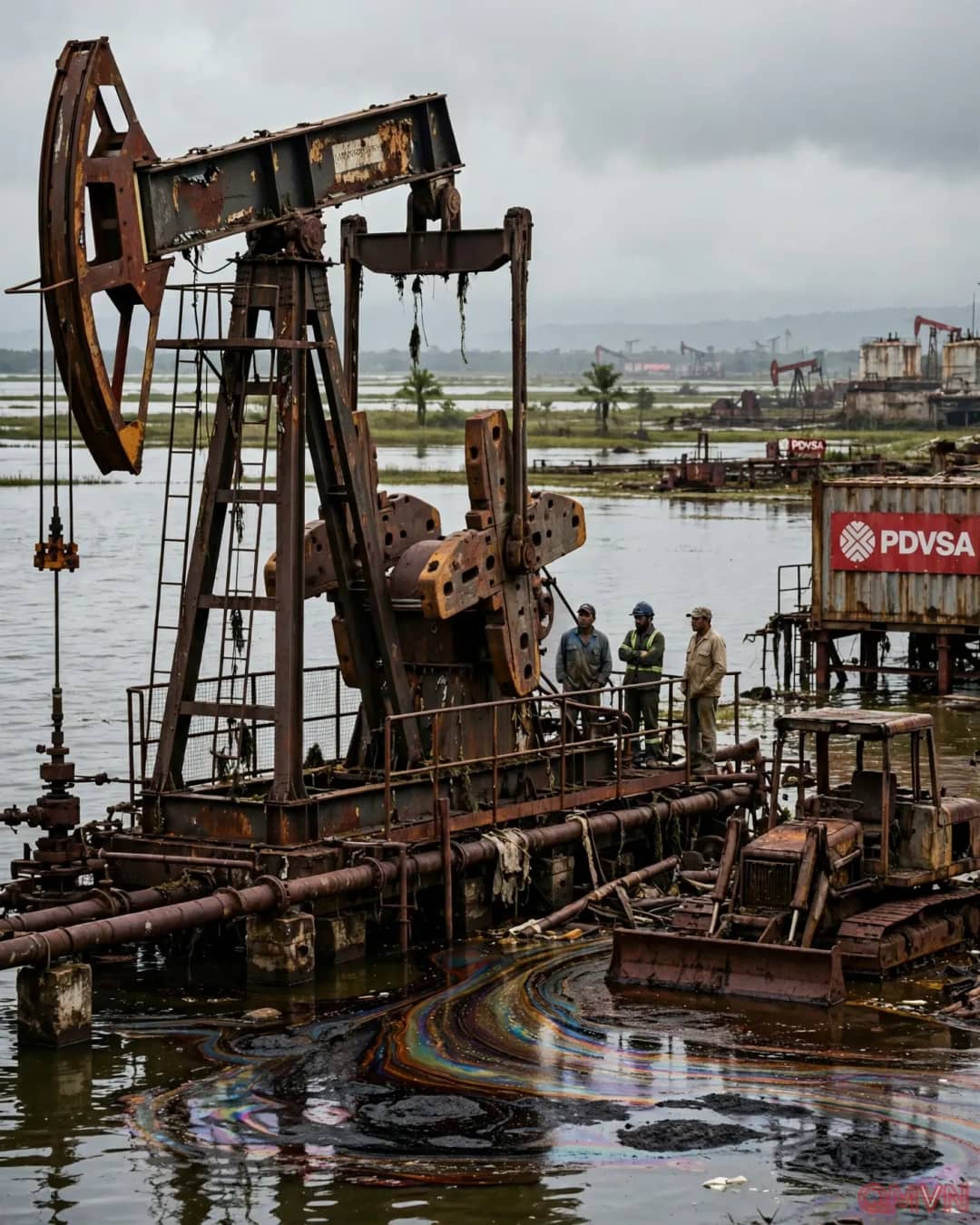
In mid-October, NABEP was producing about 224,000 barrels a day, while the country’s total output remained stuck at around 1.2 million barrels. PDVSA Vice President Jovanny Martinez said the one-million-barrel target could be reached in six to seven years. Yet roughly 80% of some 4,000 inactive wells in the Maracaibo basin need repair.