MAIN CONTENT
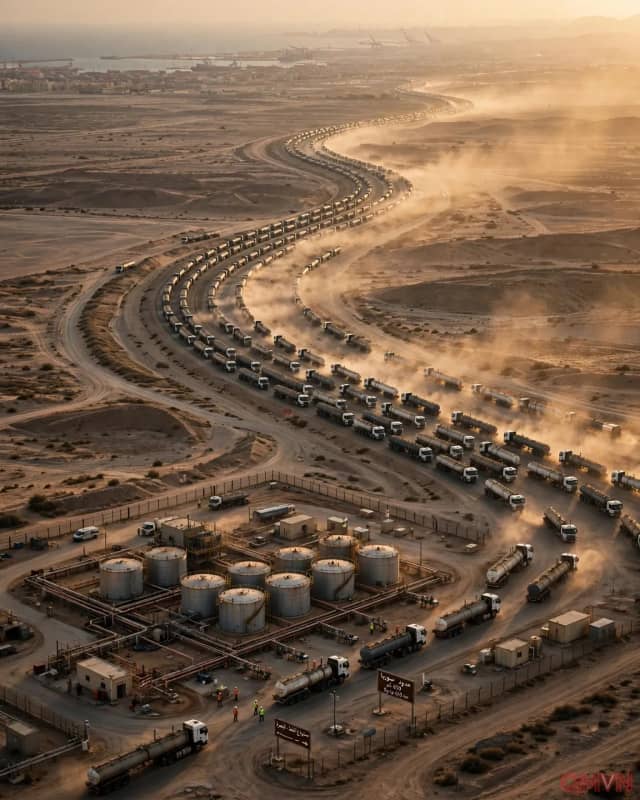
A long-silent link starts carrying crude again
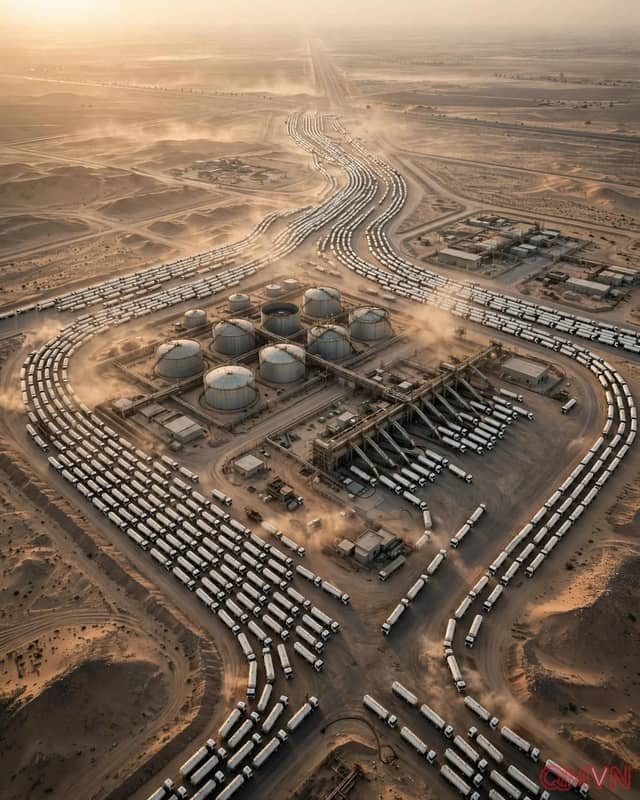
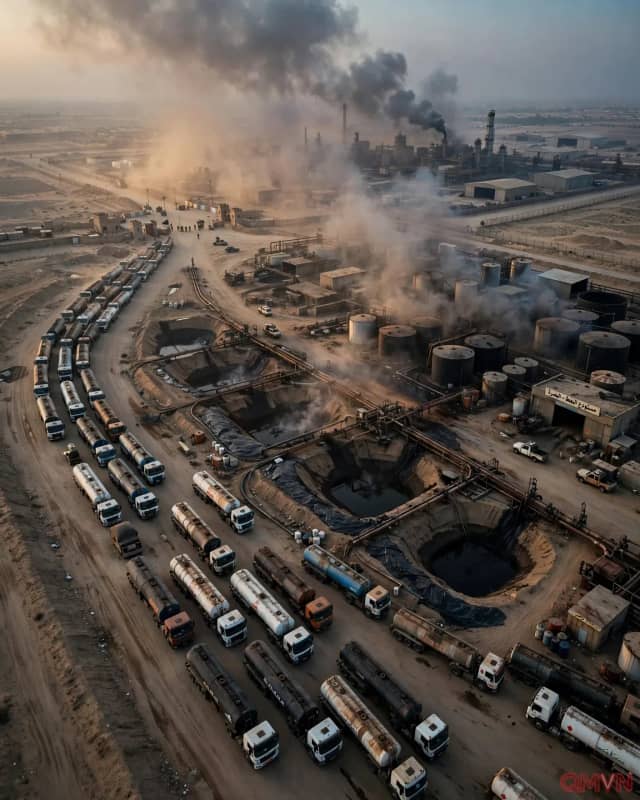
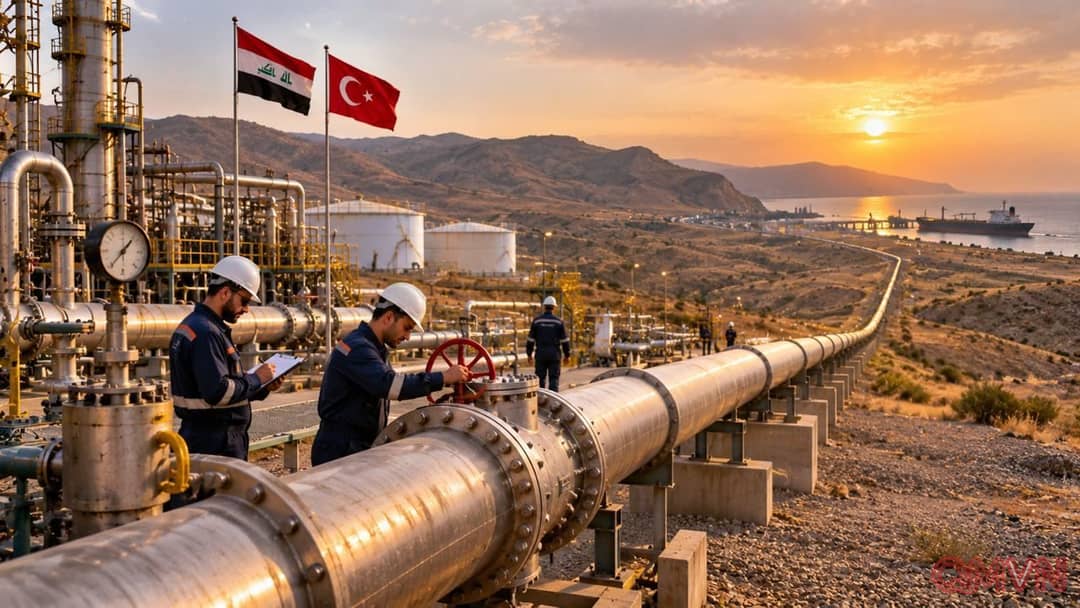
Oil Minister Basim Mohammed Khudair announced the restart after maintenance, rehabilitation and testing of the old line. The initial rate of 120,000 barrels a day describes the flow announced at reopening; it is not a guarantee of a sustained maximum capacity. The planned increase to 500,000 barrels a day remains a target dependent on infrastructure performance, available crude and the logistics of moving and loading oil.
At a cabinet meeting in Najaf chaired by Prime Minister Ali al-Zaidi, ministers approved an economic council recommendation on rehabilitating the pipeline. The public statement did not detail specific projects, their budgets or a work schedule. That distinction matters: official authorization signals political commitment, but measured exports over time will establish whether the system can deliver what policymakers hope.
Why a Mediterranean outlet matters during Gulf uncertainty
Ceyhan gives Iraq access to the Mediterranean, creating a potential alternative to exports moving from southern terminals through the Gulf and the Strait of Hormuz. Oil receipts are central to Iraq’s public finances, so even a secondary corridor could improve flexibility when maritime security, insurance costs or shipping schedules become less predictable. Diversification is valuable even when it does not replace the main route.