MAIN CONTENT
A handover designed to avert a clash
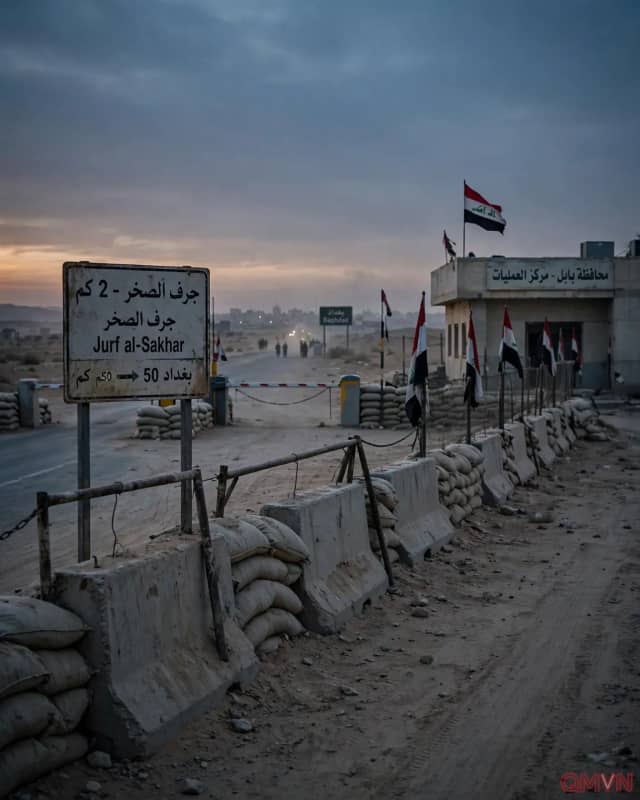
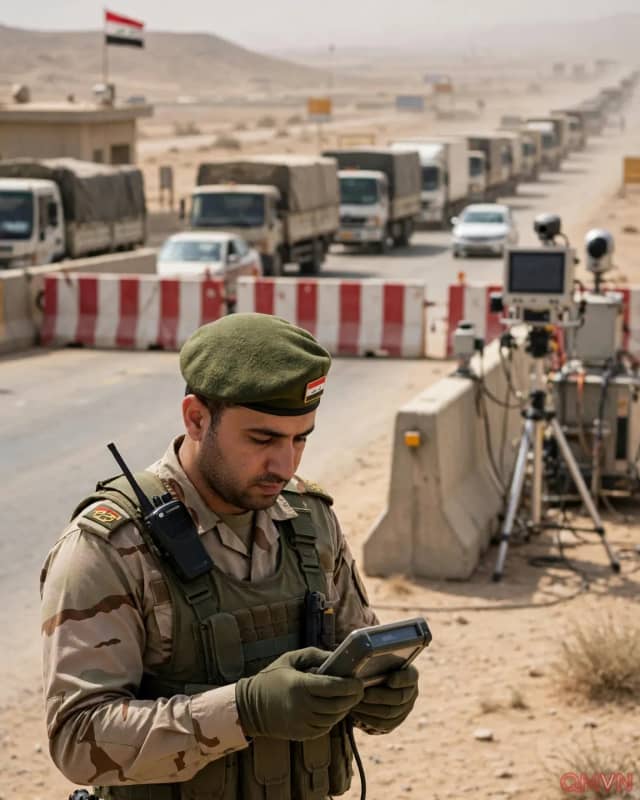
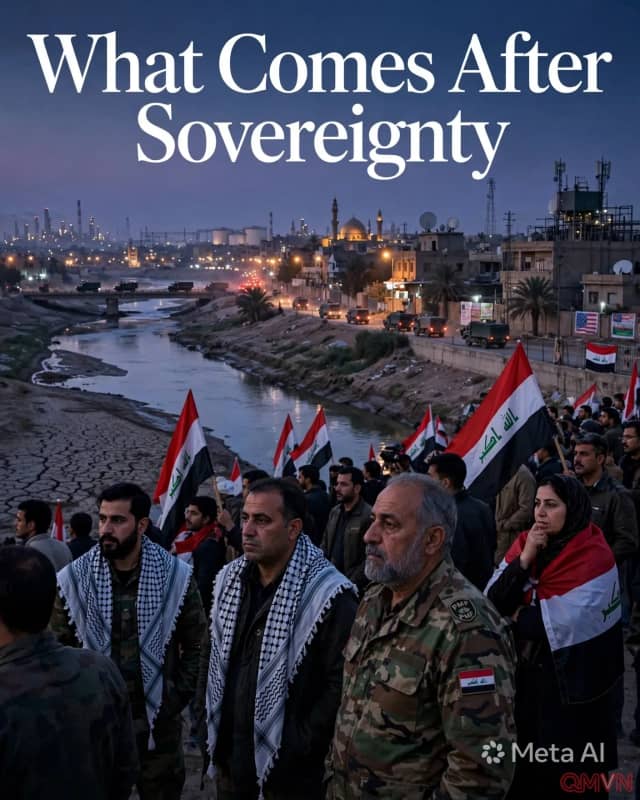
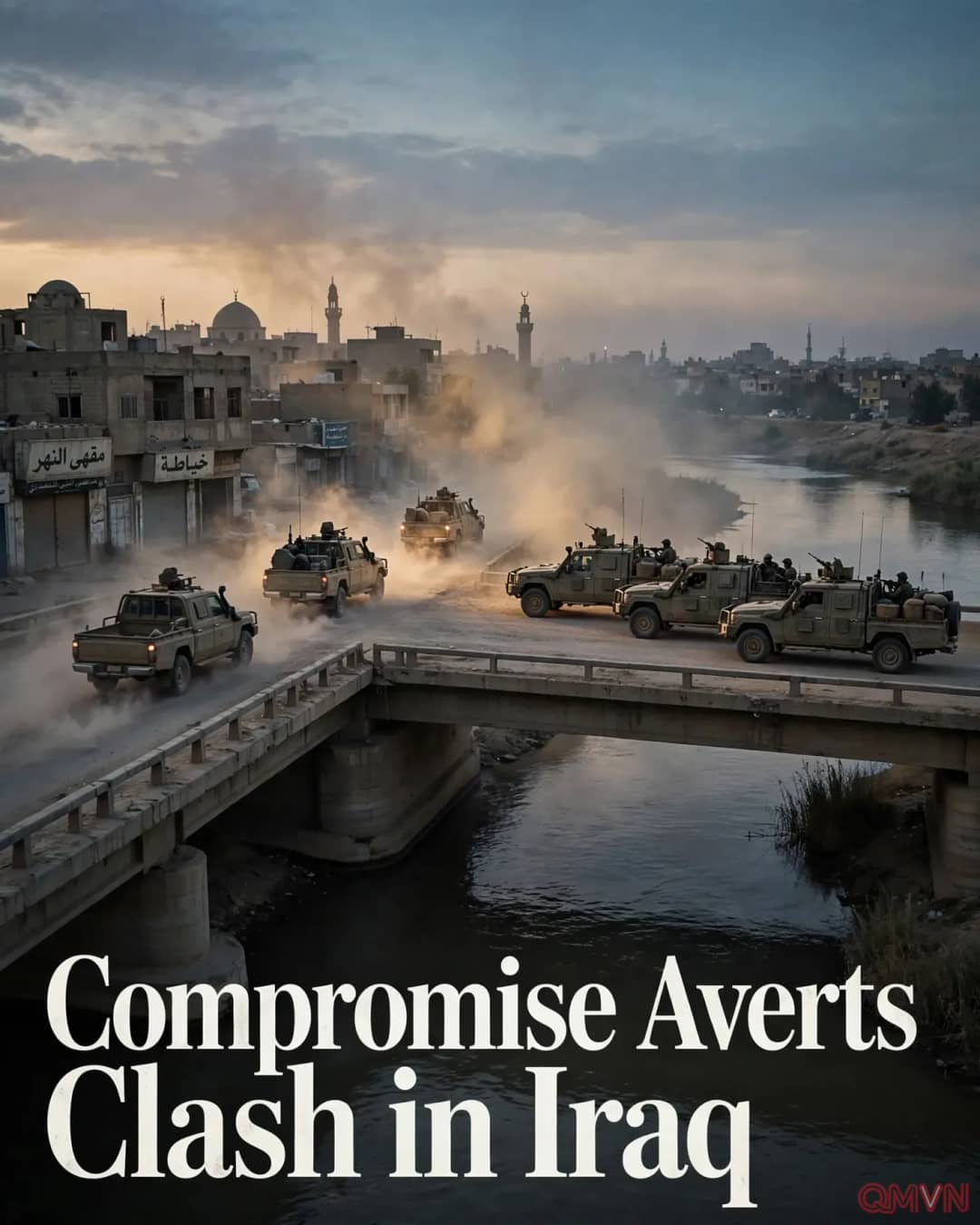
The arrangement emerged after days of escalating warnings. Reuters reported that three security officials expected Iraqi forces to move into Jurf al-Sakhar on November 20. Lieutenant General Saad Maan, who heads Iraq’s Security Media Cell, said Kataib Hezbollah personnel would leave for other areas. The reported plan is a negotiated redeployment, not evidence that the militia has surrendered its weapons or accepted comprehensive state supervision. Whether the transfer proceeds smoothly will only become clear when the forces actually arrive.
A few days earlier, an Associated Press report said a Kataib Hezbollah representative had threatened to resist any unauthorized entry into the stronghold and denied the oil-smuggling accusation. Senior Shiite figures subsequently sought a solution to avoid Iraqi units fighting a powerful armed organization linked to the Popular Mobilization Forces. The reversal from confrontation to compromise shows the political weight carried by commanders whose formal status and practical autonomy do not always align. It also explains why a seemingly local handover has drawn national attention.