MAIN CONTENT
A pipeline and the hidden infrastructure of theft
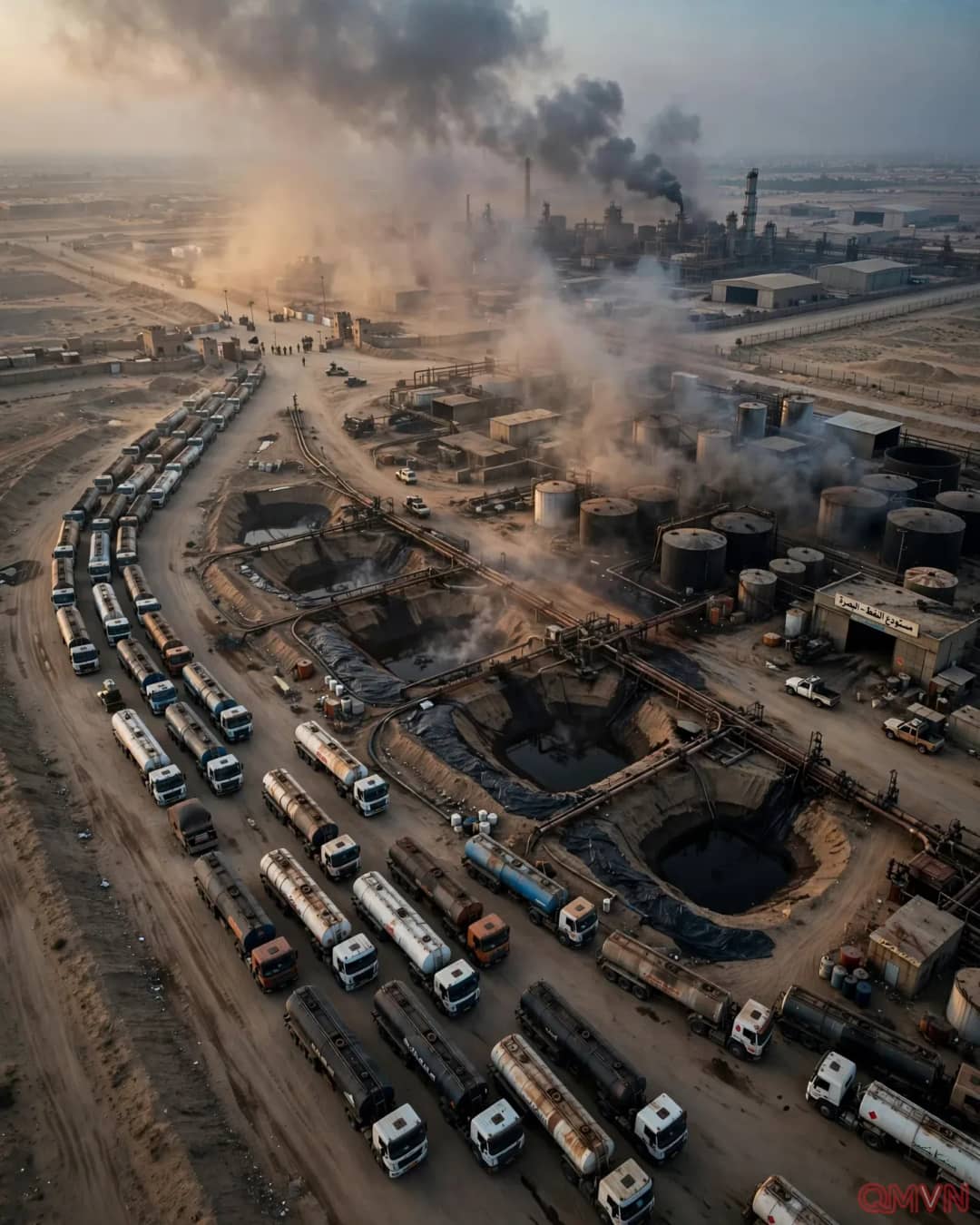
The inquiry has focused on Jurf al-Sakhar, roughly 50 kilometres south of Baghdad, where Iraqi investigators examined a crude pipeline and concealed loading sites. Two security sources who joined an inspection told Reuters they found signs that a pipe had been punctured to divert oil into improvised storage pits before it was loaded onto tankers. They also described pumping machinery inside hangars and a small hidden refinery. These findings remain accounts from officials involved in an ongoing investigation rather than a final judicial determination.
An Iraqi Oil Ministry document cited by Reuters says the 26-inch pipeline carries at least 200,000 barrels per day. That figure is the pipeline's throughput, not the amount allegedly stolen. Two oil officials cautioned that investigators cannot calculate losses accurately without learning how long the tapping points operated. The estimate of hundreds of millions of dollars since 2021 should therefore be understood as provisional, not an audited total.
A corruption case turns into a security confrontation
Baghdad has responded through administrative and security measures. Nine officials lost their posts, including senior police and intelligence figures in Babil and the head of the state Oil Pipelines Company.