MAIN CONTENT
An official protest amid air-defence alerts
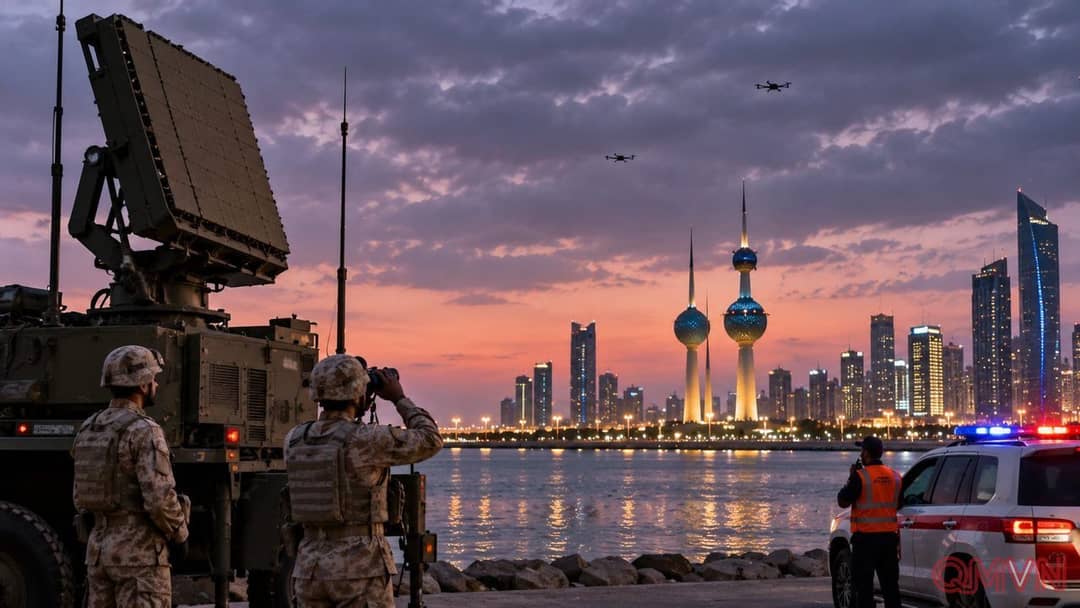
According to AFP's November 18 report, Kuwait's foreign ministry denounced what it described as an Iranian drone attack and warned of a dangerous escalation. Its reference to repeated attacks suggests the government sees the event as part of a broader security crisis rather than an isolated incident. Yet an official attribution should be distinguished from independently established evidence concerning the flight paths, exact targets and effects of each aerial incident. Responsible coverage preserves that distinction even when diplomatic language is forceful.
Reuters reported that Kuwaiti forces were engaging hostile drone threats. It also reported an Iranian military statement claiming attacks on American drone and missile installations at Ali Al Salem Air Base. These accounts should not be merged into a single fully verified operational picture: statements by a military actor about its intended targets are not independent confirmation of the damage caused. What is clear is that the airspace of a Gulf state has become an arena where the interests of multiple governments intersect.
Why one country’s alarm reaches the wider Gulf
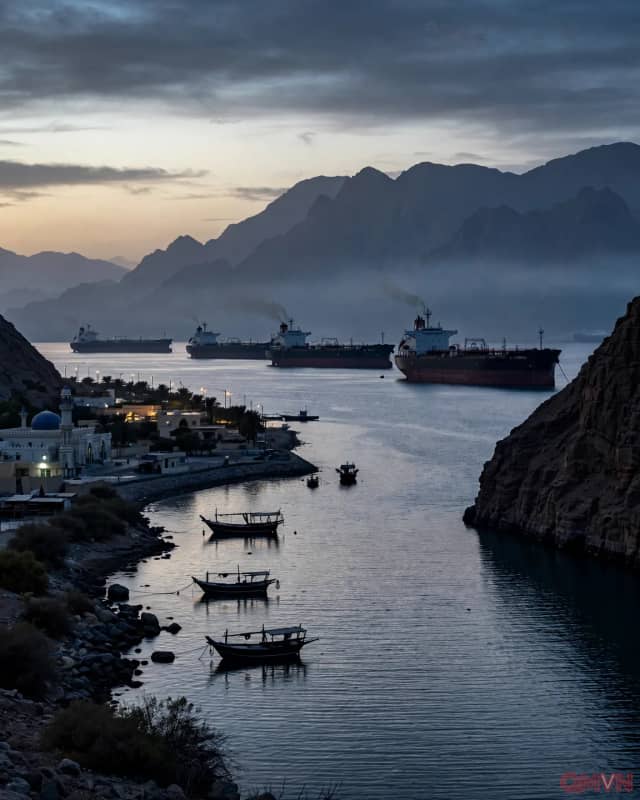
Kuwait may be geographically small, but it sits beside Iraq and Saudi Arabia and near maritime routes vital to international energy trade. Even when incoming aircraft are intercepted, alerts may affect daily movement, businesses, transport decisions and confidence in public safety.