MAIN CONTENT
From Brussels to Westminster
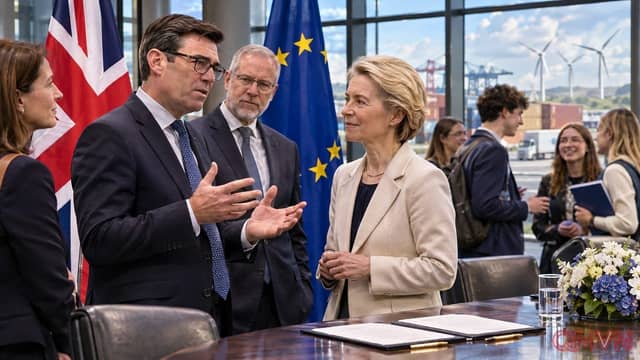
On November 20, Burnham met EU leaders in Brussels and announced a new package of cooperation. Its most consequential elements concern sanitary and phytosanitary standards, emissions trading and opportunities for young people to cross borders. He now aims to translate a diplomatic success into a practical argument about living costs, jobs and investment.
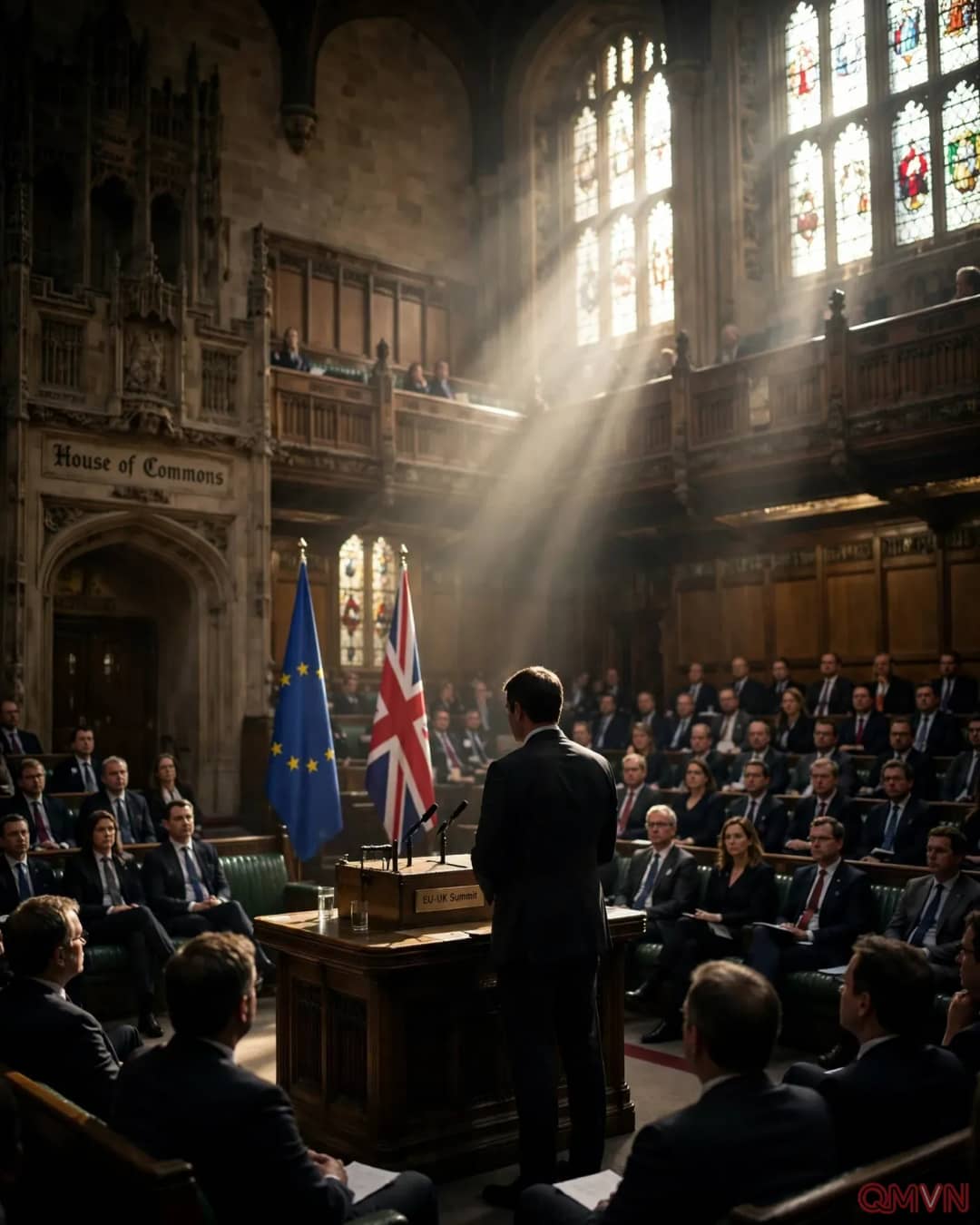
In his planned parliamentary address, the Labour leader will frame the decision as a choice between continuing with costly friction and improving relations with Europe. His claim that a difficult decade can give way to a more productive one is politically powerful, but its accuracy will depend on implementation and whether businesses and households can actually benefit.
Food trade and the carbon market
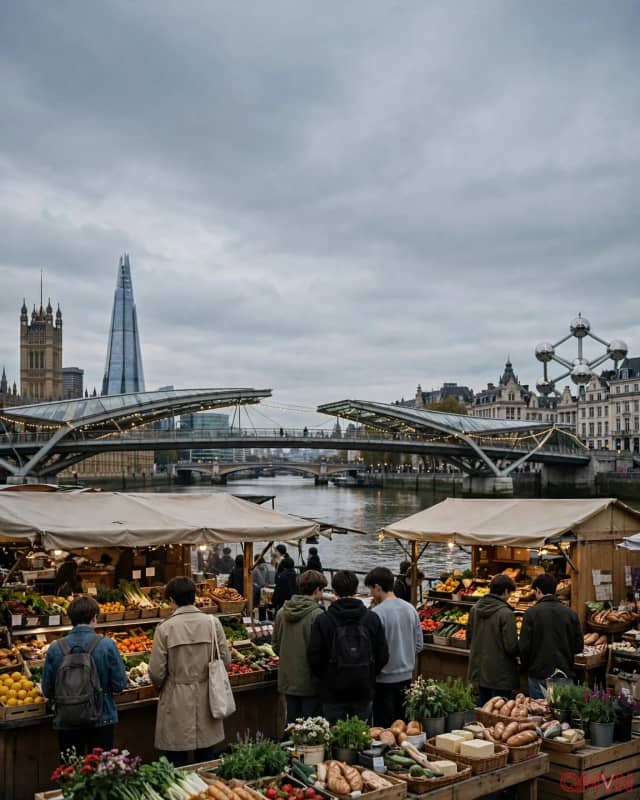
For food exporters, paperwork and border inspections remain tangible consequences of Britain’s departure from the EU. The new arrangement seeks to align many animal- and plant-health standards so that checks and certificates can be reduced.
Farmers, processors and supermarkets could benefit from quicker movement of goods and less waste.
The other side of that bargain is regulatory influence. Badenoch argues that British producers could have to follow decisions made in Brussels without equivalent voting rights. The government responds that common standards are a reasonable price for smoother trade. The result will ultimately depend on enforcement, dispute arrangements and how much administrative work is actually removed.
Linking emissions trading systems could spare some exporters carbon-related border costs and offer a more consistent investment signal for low-carbon industries. Yet the value of that linkage will depend on implementation dates, allowance rules and carbon prices. Potential future savings should not be mistaken for immediate gains.
Young people and the meaning of independence
The planned youth experience scheme would create pathways for eligible young adults to study, work or spend time living on the other side of the Channel. Supporters see it as a way to restore some mobility lost after Brexit and encourage cultural exchange, professional development and access to talent.
Important details, including eligibility, numerical limits, tuition fees and administrative requirements, still matter. A scheme cannot be judged only by its headline capacity if ordinary-income families find it too expensive to use. Access and fairness will be just as important as the total number of participants.
A £17 billion projection faces political scrutiny
Burnham cites Treasury modelling suggesting the package could increase GDP by as much as 0.5%, equivalent to roughly £17 billion in annual output. This is an estimate contingent on assumptions about execution and market responses. It is not a cash transfer to the public, nor a guarantee that supermarket prices will quickly decline.
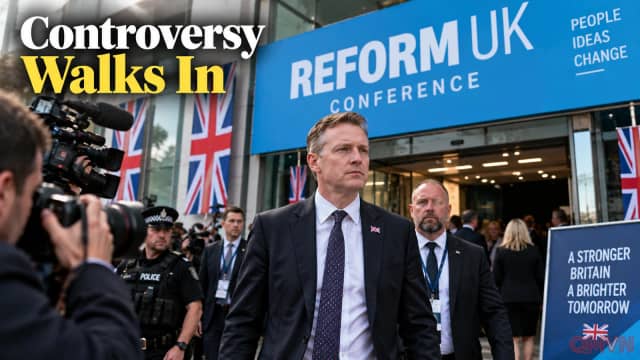
The opposition is challenging both the numbers and the trade-offs. Badenoch demands more scrutiny of the economic modelling and warns about rules imposed on farmers. Farage says closer ties could leave smaller businesses facing unwanted compliance costs. Former prime minister Theresa May has also been critical, illustrating how deeply the legacy of Brexit still divides political opinion.
Burnham says officials will continue informal discussions on the longer-term relationship after the current Parliament. That does not mean Britain has decided to rejoin the EU. The more immediate test is whether the agreement delivers measurable improvements while maintaining public consent for the degree of alignment it requires.