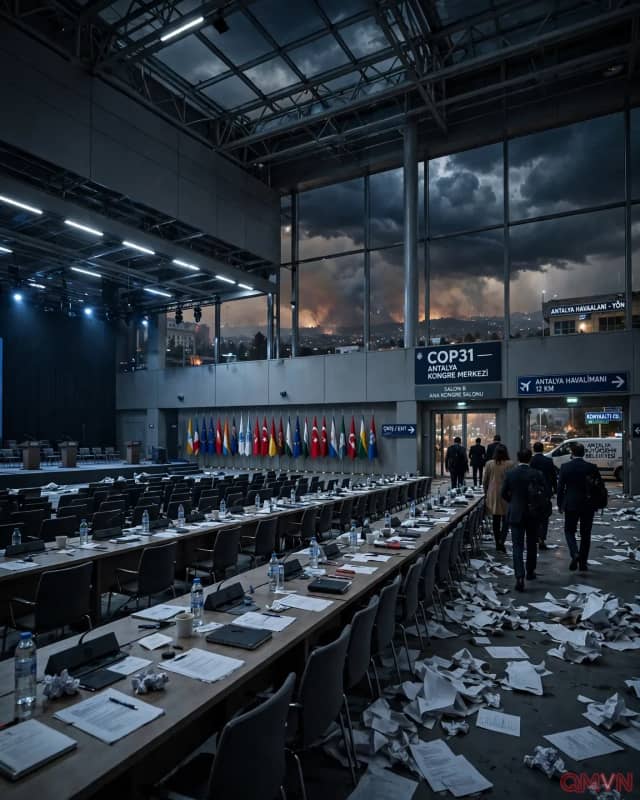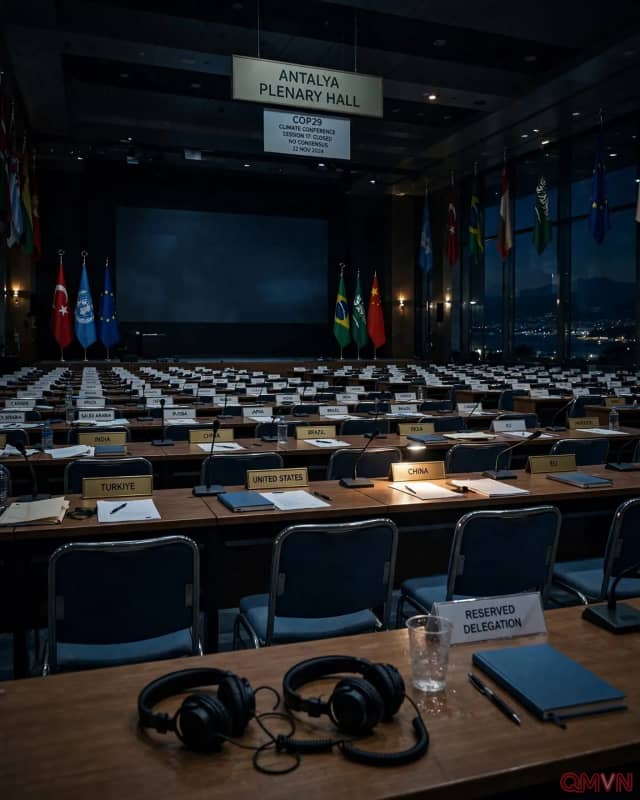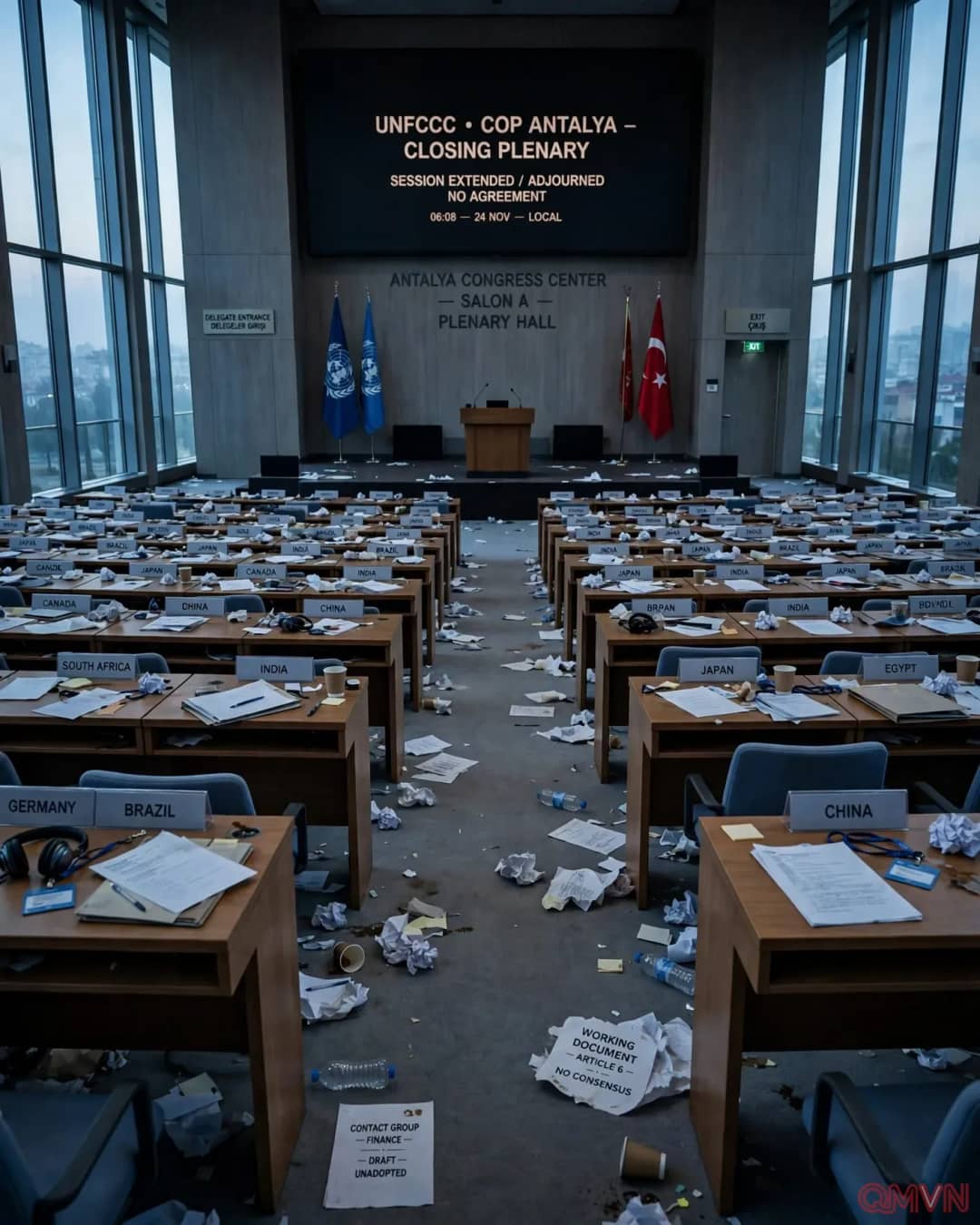
Two fault lines: fuel and finance
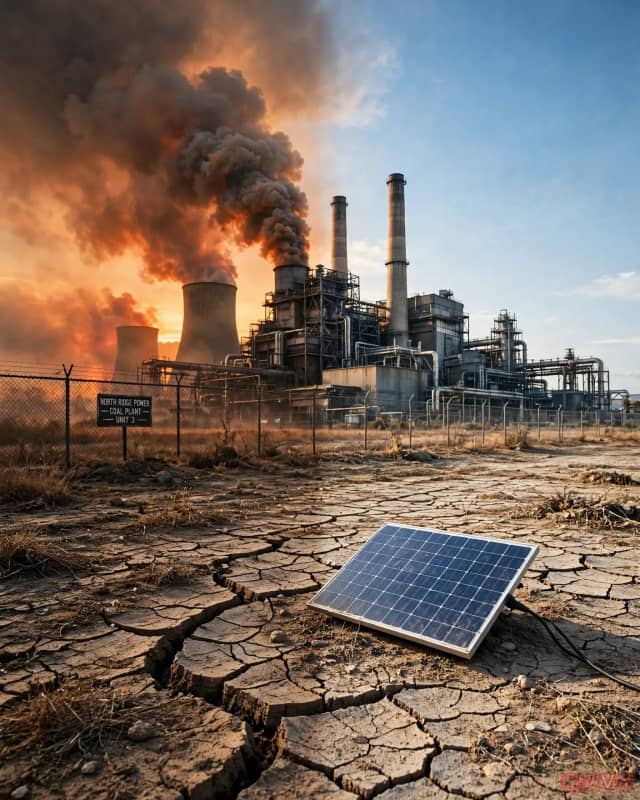
A first draft had mentioned fossil fuels six times, but oil-producing nations rejected it. The final version referred only indirectly to the 2023 Dubai agreement to transition away from fossil fuels in energy systems.
It is unconscionable that we would have a climate pact that makes no mention of fossil fuels.
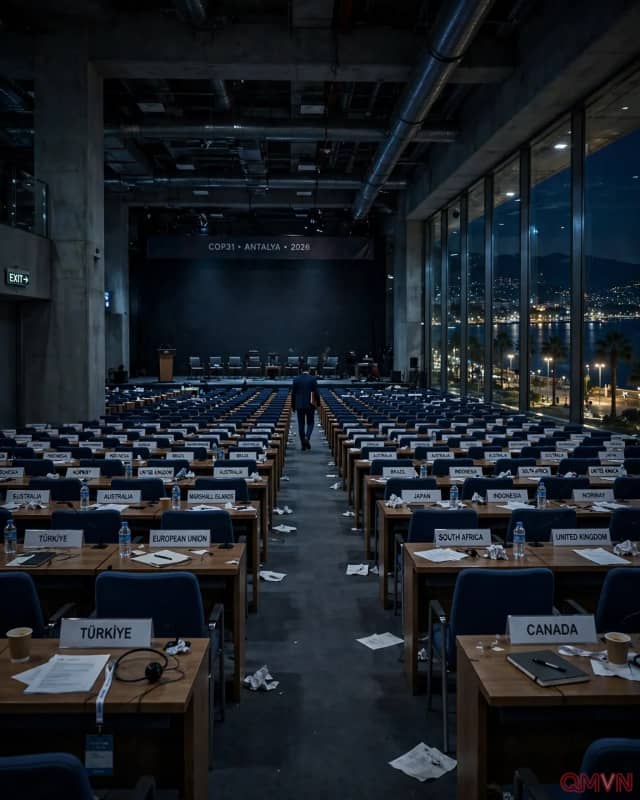
Money was the other breaking point. At COP30 in Brazil, countries agreed to triple finance for adaptation, but this year's text gave no figures or baseline, raising fears that wealthy nations would have too much room to manoeuvre.
Rich nations and polluting governments cannot keep arriving empty-handed.
Competing explanations
- Saudi delegate Mohammad Ayoub said Arab countries engaged in good faith and account for a small share of historical emissions.
- Russia warned against slogans, arguing that a rapid shift away from fossil fuels could cause fuel poverty.
- Australian Prime Minister Anthony Albanese, whose country led the negotiations, blamed difficult geopolitical times.
- COP31 negotiations president Chris Bowen spoke of unbridgeable red lines in a uniquely fraught global environment.
Can the system be fixed?
UN climate talks require consensus, meaning any country can effectively block a deal. Al Gore called it outrageous that a handful of petro-states have veto power and urged a reinvigorated process reflecting the will of the majority.
Defenders of consensus say it ensures every nation, large or small, has a voice and has delivered landmark deals such as Paris.
Simon Stiell acknowledged that the process fell short on Sunday but insisted it can work, noting it has suffered setbacks before and come back stronger. The UK's energy secretary, Miatta Fahnbulleh, called the outcome immensely disappointing but pledged to build on the progress made in Antalya.
A warming world will not wait
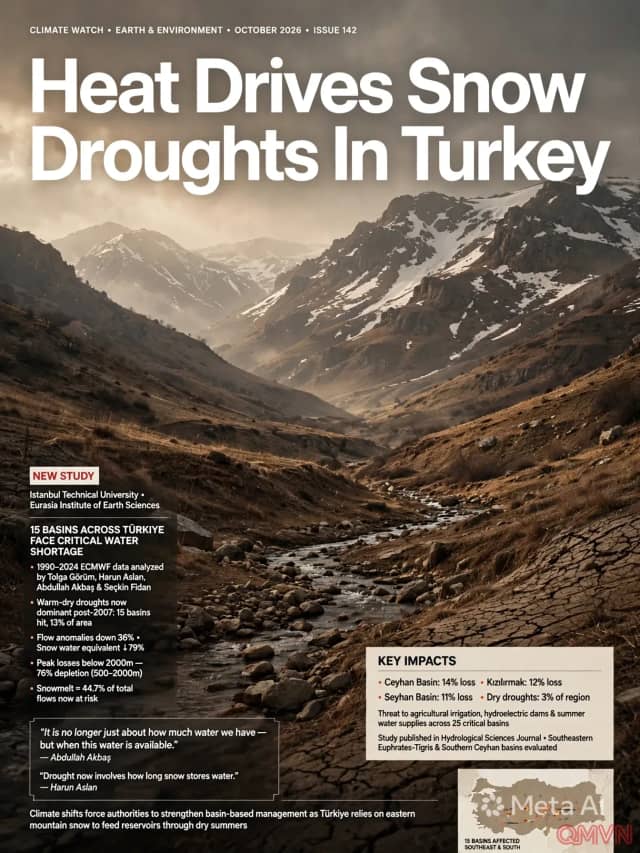
The stakes keep rising. 2026 may become the hottest year on record, with heat and drought in Europe and flash floods in Nepal. COP31 was the first to formally discuss how the 1.5C goal will be missed. Under current policies the UN projects around 2.8C of warming by 2100, far better than the 4C once feared, but still dangerous. Bringing temperatures back down would require carbon removal technologies not yet available at scale.