MAIN ARTICLE
One absence and the limits of the announcement
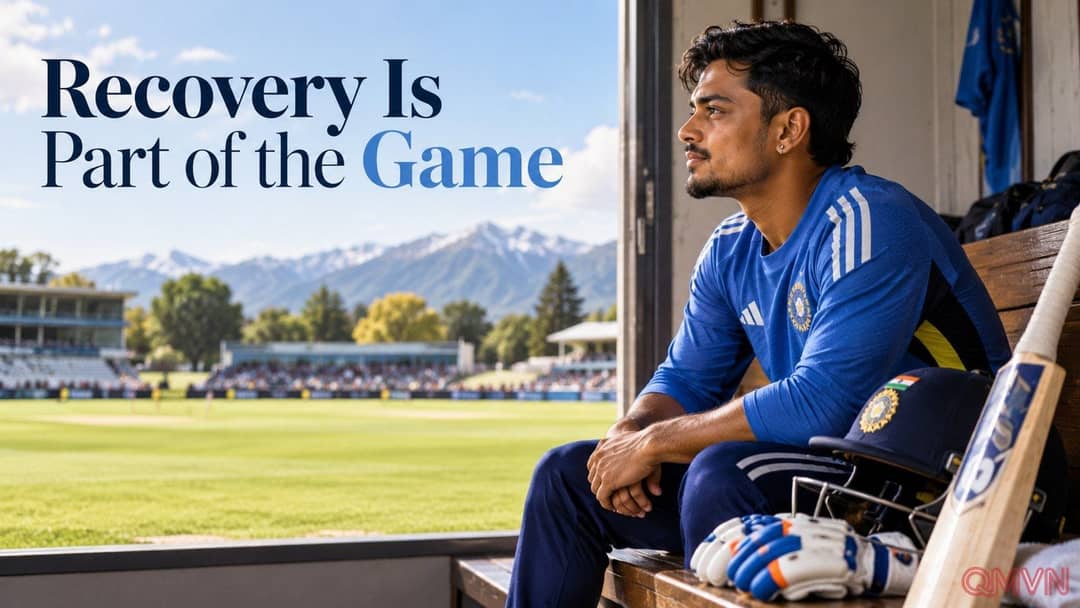
The BCCI update establishes a specific immediate consequence: Kishan will not play the second T20I. It identifies the opening match on October 22 as the occasion when he sustained the injury and says the medical team is monitoring his progress. Those are the confirmed facts. They do not establish a return date, an absence lasting the entire series or a publicly detailed course of treatment.
The description of the strain as low-grade should therefore be read as the board’s account of the injury, rather than a promise of immediate availability. Wanting to play and being ready for the demands of a match are separate considerations. For supporters, keeping the published diagnosis distinct from a forecast is a useful way to avoid building premature expectations around a brief medical announcement.
Replacing a role requires more than choosing a name
Kishan bats left-handed and also offers wicketkeeping capability. His absence does not automatically require India to redesign every part of their approach. The practical issue is which role needs covering in the selected side: a position in the batting order, a particular combination or additional flexibility. That assessment should shape the task given to another player, rather than simply asking someone to reproduce Kishan’s individual game. That balance will matter beyond the immediate selection decision.