MAIN CONTENT
A regional divergence rooted in local forces
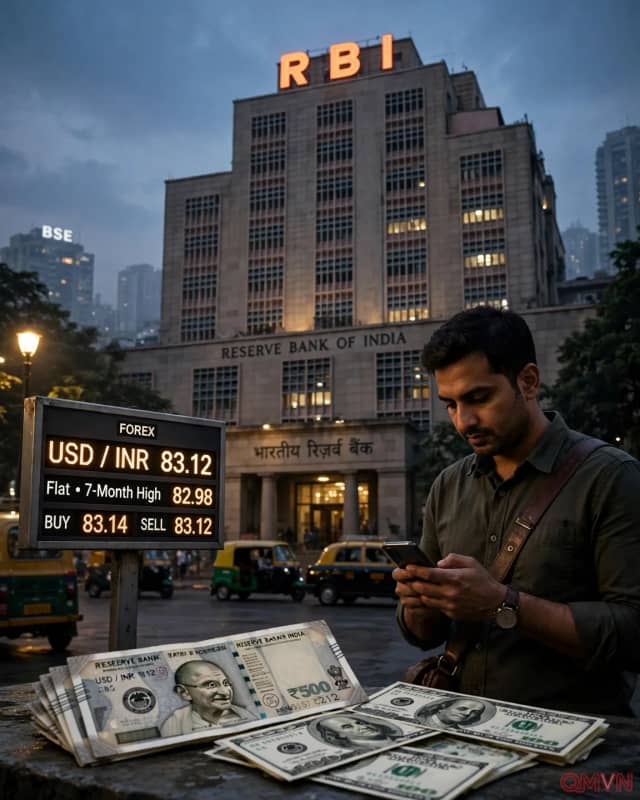
The session drew a clear line between India's domestic economic drivers and the pressures weighing on Asian financial markets. According to Reuters, the Nifty 50 and Sensex gained roughly 10.1% and 10.8%, respectively, during November through Tuesday's close. These unusually strong monthly advances coincided with record reported foreign portfolio inflows of $9.53 billion. Rather than responding solely to overseas stock-market weakness, investors focused on India's relatively favourable commodity costs, domestic financial shares and the ability of large companies to defend earnings under uncertain global conditions.
Elsewhere in Asia, selling pressure hit technology stocks as the United States tightened restrictions on access to advanced artificial-intelligence chips and investors looked ahead to Nvidia's earnings. Those developments matter for India, too: global risk aversion can change international investment flows quickly. Yet the November 17 close showed that markets do not always move in a single regional direction. The sensitivity of each country to energy imports, capital flows and industry composition can create sharply different outcomes even on the same trading day.