MAIN ARTICLE
A political bet meets the Texas electorate
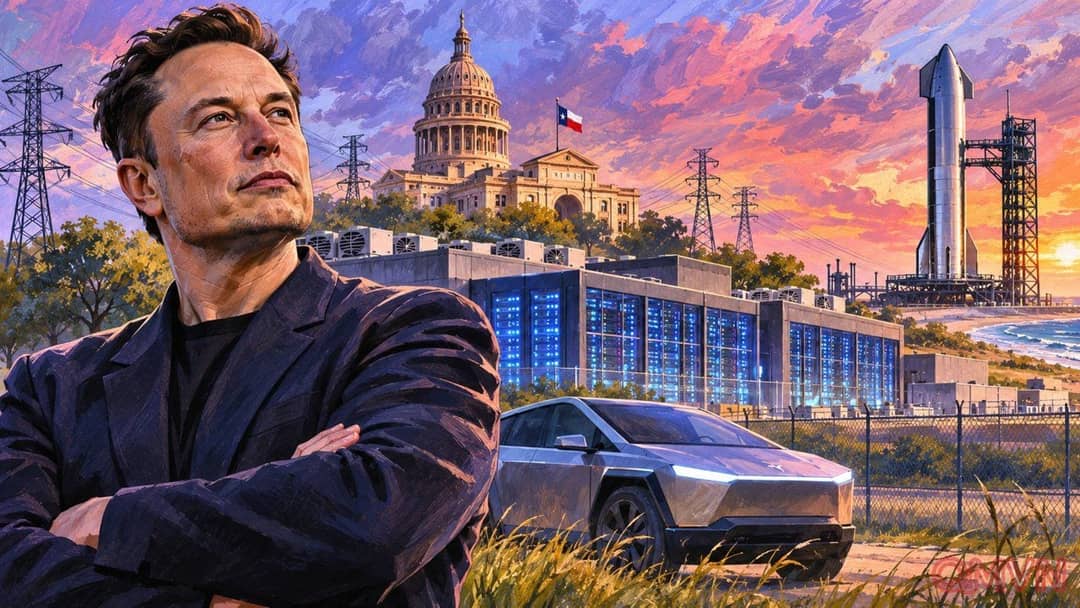
Musk's name never appeared on the ballot, yet his political spending made him a central figure in the campaign. Reuters and BBC reported that he poured nearly half a billion dollars into supporting Republican candidates. Democrats nevertheless captured Congress, Hinojosa defeated Abbott and James Talarico won the state's Senate contest against Ken Paxton. The results abruptly weakened a political strategy intended to preserve a business-friendly environment in a state central to Musk's operations.
Texas hosts major Tesla and SpaceX facilities, making changes in state leadership important for permits, tax policy and relations with regulators. But an election result does not automatically cancel approved investments. Existing laws, review procedures and negotiations between companies and public officials will still determine what can proceed. The emerging challenge is less a single hostile decision than a changing set of conditions for future growth.
Data centers put electricity and water at the heart of politics
AI infrastructure may be the most immediate source of uncertainty. Reuters describes Colossus and Colossus II near Memphis as significant parts of the computing business associated with SpaceX, while further capacity is planned around Starbase. Large computing facilities require vast electricity supplies, cooling systems and transmission connections. As development accelerates, residents increasingly ask whether those expenses will appear in household utility bills, whether scarce water will be protected and whether benefits will be shared locally.