MAIN CONTENT
Two cities ask who sets the pace
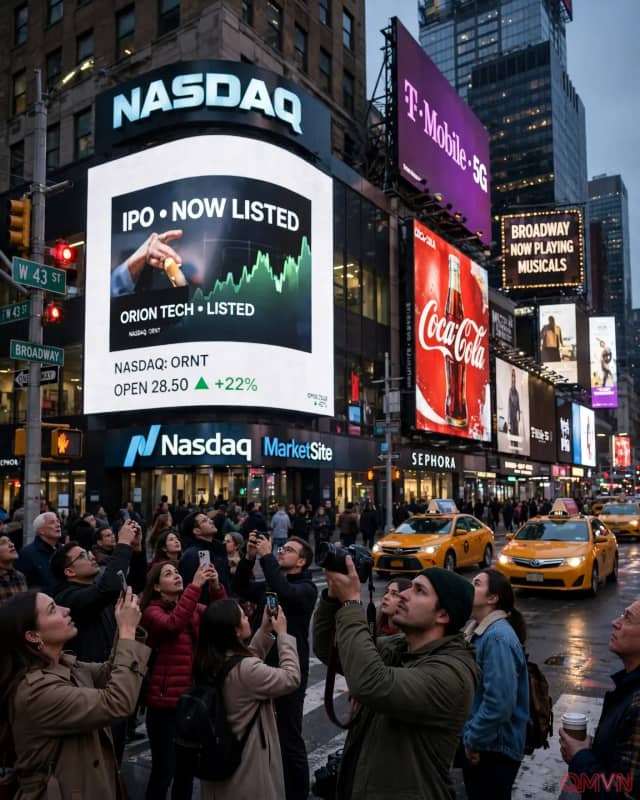
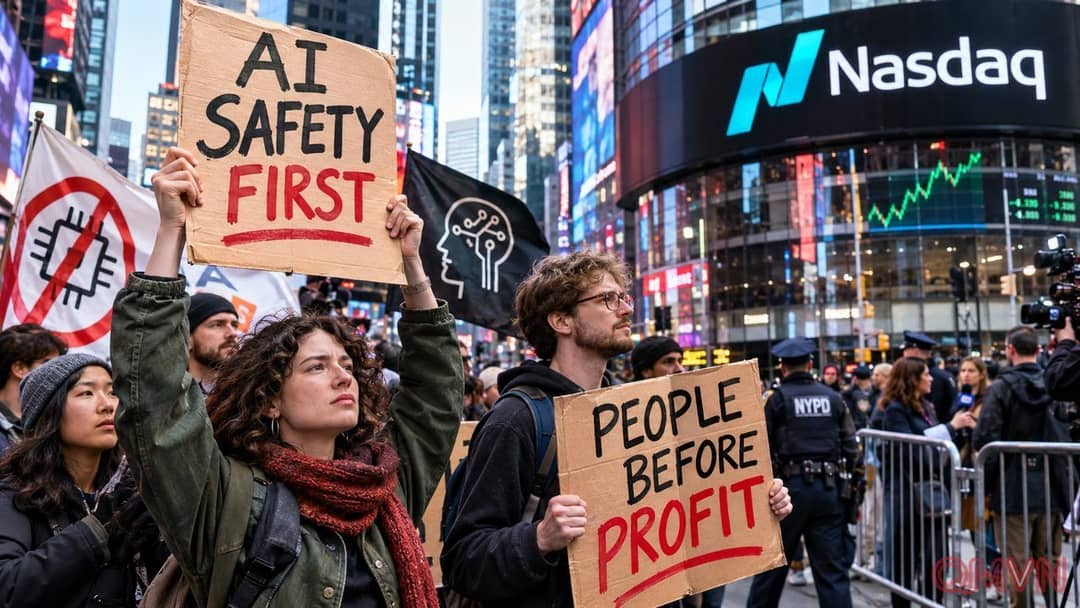
On the morning of the offering, roughly 30 demonstrators assembled near Nasdaq’s Times Square site. Their signs challenged concentrated technology power and called for restraints on the most advanced forms of AI. The Guardian reported that participants included community organizers and campaigners concerned about climate, civil liberties and technology safety. Some blocked an entrance, prompting police intervention. Local reporting described four arrests in New York, distinct from arrests reported in San Francisco later that day.
Jose Gonzalez, a policy researcher with New York Communities for Change, said he sensed growing public unease with the direction of the technology. His argument was for stronger ground rules rather than a denial that AI can have useful applications. Protest messages linked AI investment with immigration enforcement, conflict, jobs and living costs, showing how a seemingly technical issue has entered debates about wider political and economic choices.
Across the country, activists gathered outside Anthropic’s San Francisco headquarters. KQED and Mission Local reported arrests there, while accounts of crowd size differed according to the group observed and time of day. The significance of the gatherings was less their size relative to Wall Street trading than the question they posed: who gets to decide how fast a technology with consequences for millions of people should advance?