MAIN STORY
One food box, and an increasingly expensive journey
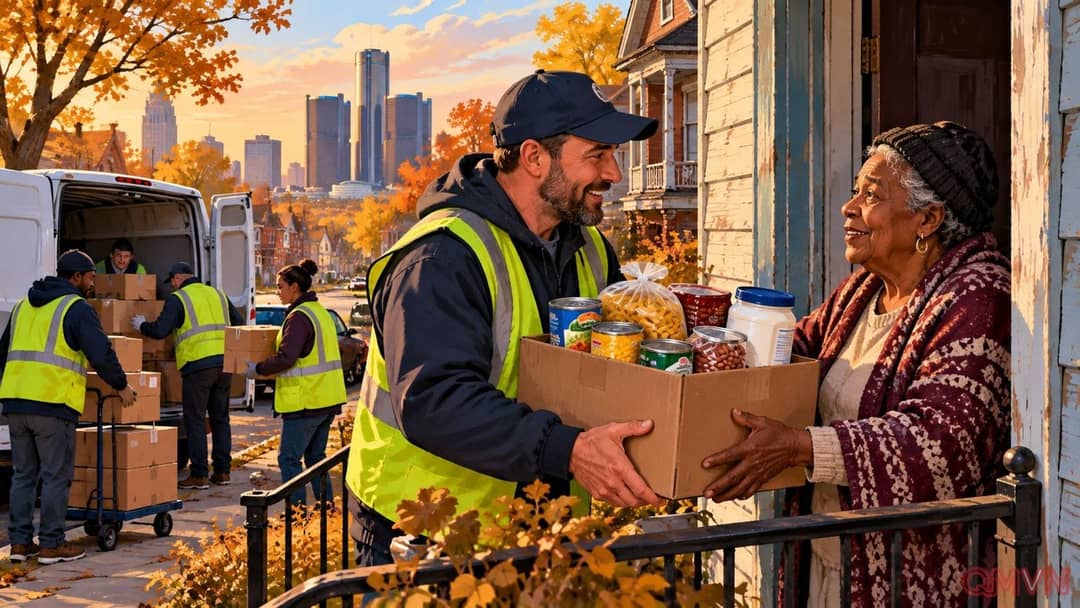
Tonya King, 65, was moved to tears when Frank Kubik of the nonprofit Focus: HOPE arrived at her Detroit home carrying pasta, beans and other nonperishable food. She told Reuters that the box could help feed six people for roughly two weeks. For a resident with limited mobility and a fixed income, traveling to collect donated food is not necessarily an affordable alternative to delivery.
King also faces decisions over medication and other household necessities. With winter approaching, problems involving heating and running water add to the strain. Her experience shows why food insecurity cannot be separated from housing, transport and healthcare: when every basic need becomes more expensive, each competes for a shrinking household budget.
Fuel prices squeeze both ends of the aid network
Focus: HOPE reports that monthly home deliveries to low-income seniors have increased from 800 at the beginning of the year to 1,300. The shift reflects a practical barrier: some people can no longer afford the gasoline needed to reach collection sites.