A quiet homecoming
On Saturday afternoon, dozens of students gathered in a car park next to the football stadium for a spirited but orderly tailgate. By nightfall, however, the streets were almost empty, with only a handful of students passing the Gothic revival and Tudor mansions that house fraternities.
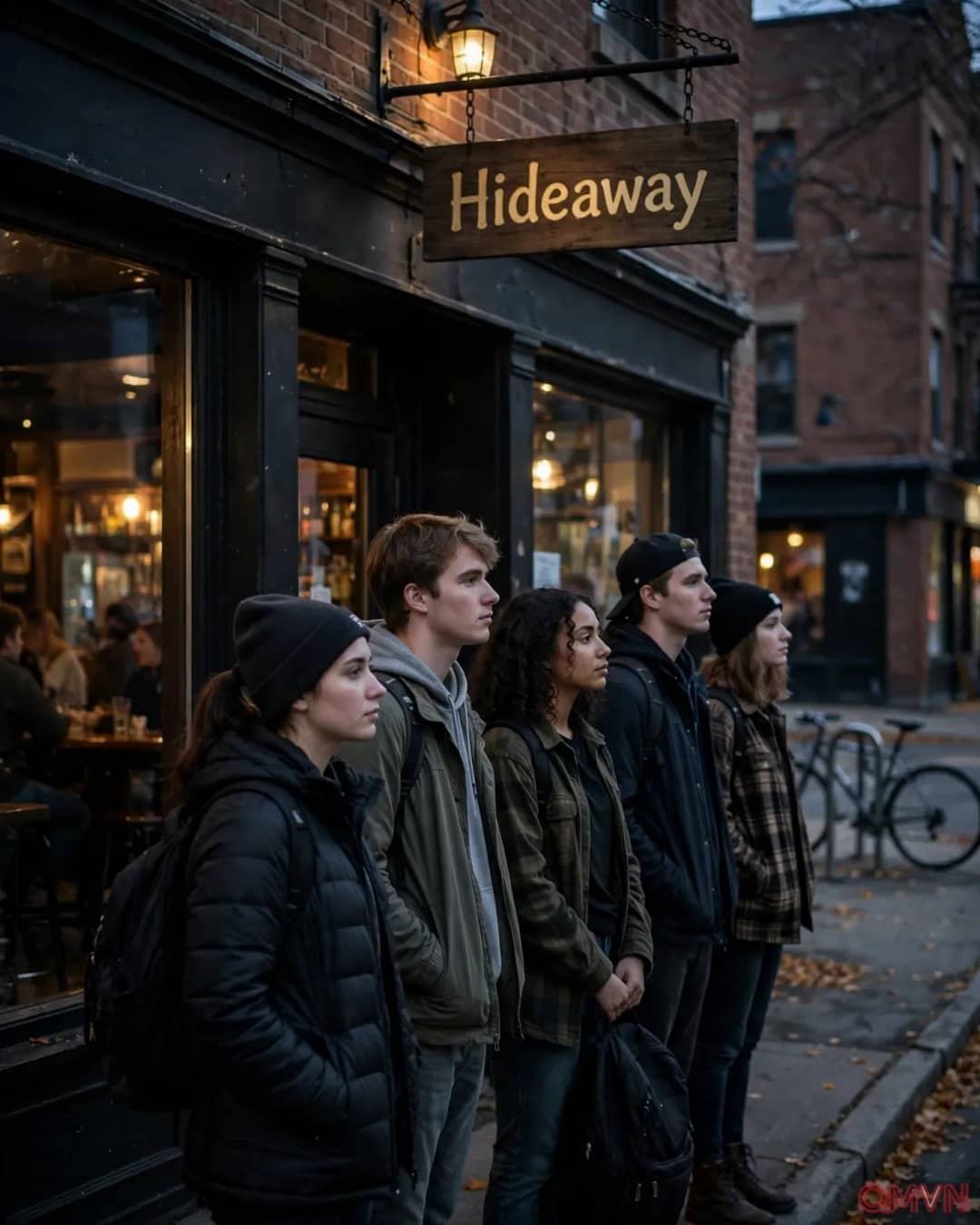
Even at Hideaway, a popular undergraduate bar in Collegetown, the line was only about 10 people at what would normally be its busiest hours.
Why the ban?
The ban was introduced in the following context:
- A former student known as Jane Doe filed a lawsuit last month accusing seven members of the Chi Phi chapter of sexually assaulting her at the fraternity house in 2024; the men all deny wrongdoing and none has been charged.
- The case sparked nationwide outrage, and the university banned parties at fraternity houses through the end of the academic year as one of several safety measures.
- About 3,000 undergraduates – a third of the undergraduate body – belong to Cornell’s more than 50 recognised fraternities and sororities.
On Friday, as Cornell’s board of trustees met, protesters gathered outside with signs calling for justice for Jane Doe.