ARTICLE
A care promise tied to future pension savings
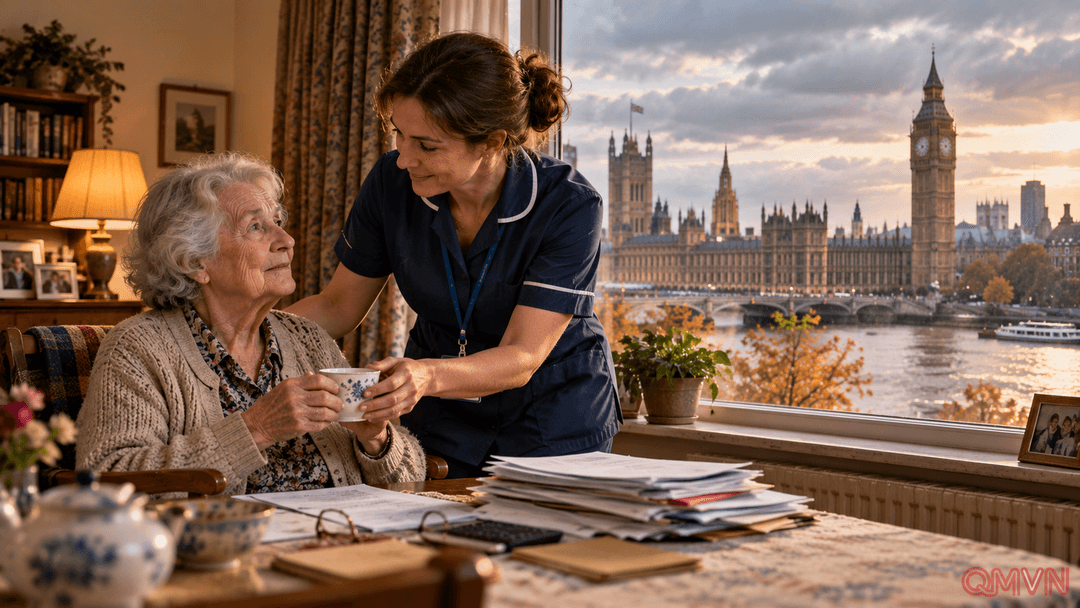
At the Labour Party conference in late September, Prime Minister Andy Burnham set out plans to establish a National Care Service in the next Parliament. A government statement dated September 29 said personal care would be offered on the basis of need rather than wealth and introduced in stages. The full design and timetable remain subject to recommendations from an independent commission led by Baroness Casey, whose report is expected in summer 2027.
The proposed funding mechanism alters the state pension “triple lock.” Under today’s arrangement, pensions rise each year by whichever is highest: consumer price inflation, average earnings growth or 2.5%. Burnham would retain those rules until April 2030, then guarantee at least inflation or 2.5%, alongside a safeguard linking pension levels to earnings over time. The government projects annual savings of £15 billion by the end of the 2030s. Such savings are forecasts, however, rather than money available immediately.
An entitlement on paper does not itself create trained carers, local services or space in residential facilities. Its design must explain who qualifies, how providers will be paid and which expenses remain private. As the Financial Times has observed, free personal care on a Scotland-style model would not necessarily cover accommodation in a care home. The practical boundaries of the benefit matter as much to families as the announced headline.