MAIN STORY
From social grievances to violence in the streets
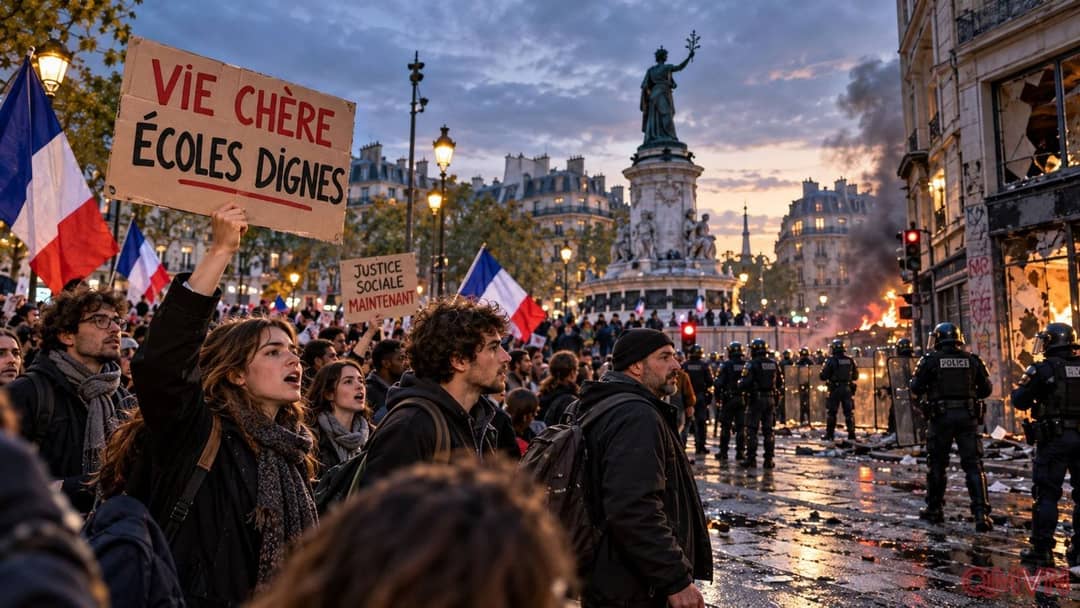
On October 17, demonstrations involving students, unions and residents frustrated by high prices descended into disorder in parts of France. Violent groups attacked storefronts, set fires and damaged public property. Authorities reported around 2,400 arrests, while news organizations documented extensive damage to thousands of businesses. These figures underscore the gravity of the unrest but should not obscure the distinction between peaceful demonstrators and people responsible for criminal acts.
In Paris, police introduced overnight curfews in selected locations, including Place de la République and Les Halles. Other municipalities adopted geographically limited restrictions. Prime Minister Sébastien Lecornu supported localized measures rather than a blanket nationwide curfew, seeking to focus enforcement on places at greatest risk of renewed violence.
The economic damage is visible in shuttered shops and municipal repair bills. Peaceful demonstrators want better schools, wages and purchasing power; shopkeepers whose premises were ransacked need security and swift assistance. Recognizing both realities is essential if the government is to enforce the law without treating legitimate dissent as a threat in itself.