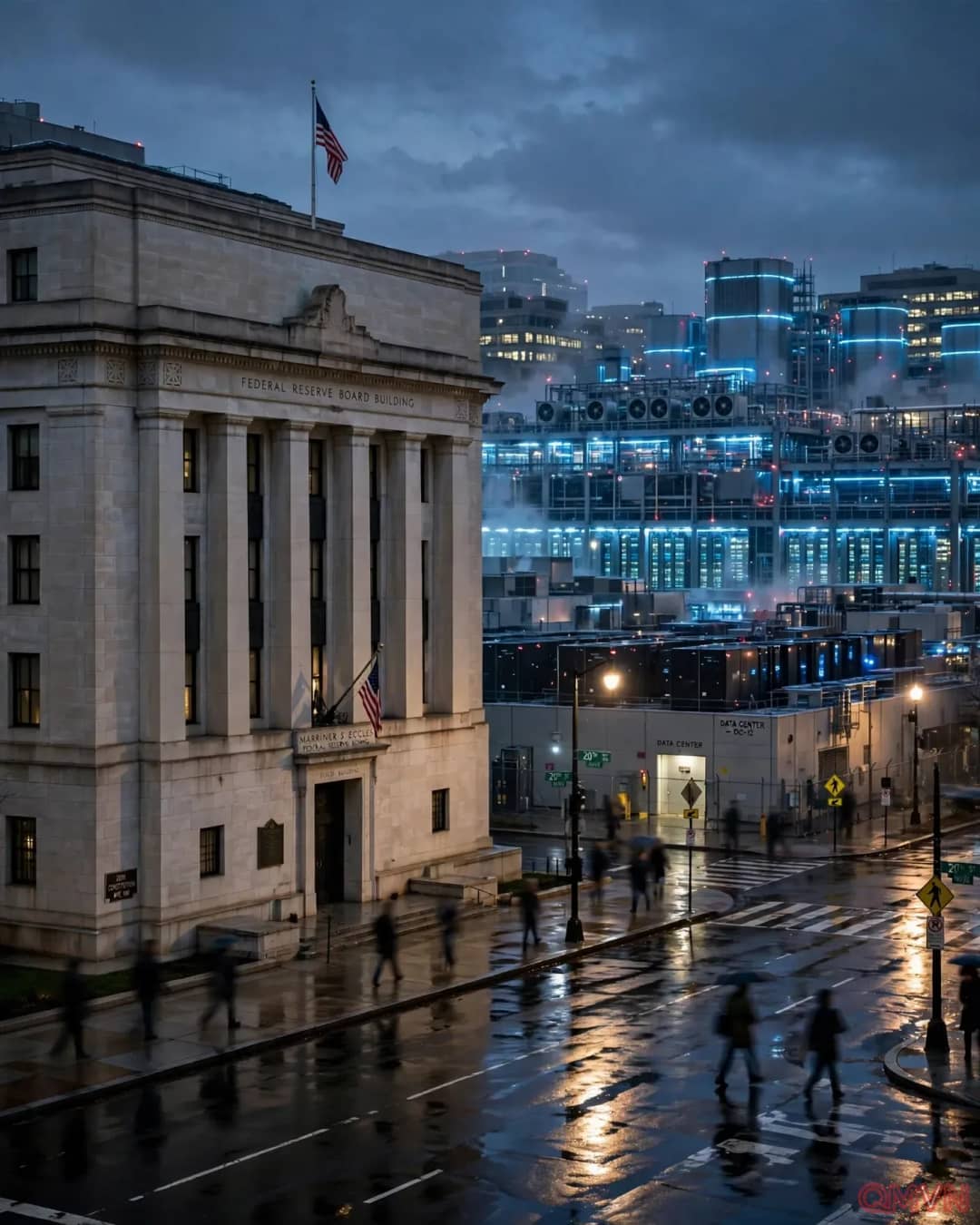
A “hinge” of history
Warsh, who calls himself “cautiously optimistic” about what he refers to as “super intelligence”, as President Trump does, treats success in AI as a make-or-break issue for the United States. Before taking over the Fed, he had cautioned central bankers against taking sides on political issues such as climate change. At an AI conference he commissioned at the San Francisco Fed last week, he acknowledged that none of them were impartial about the outcome.
*“We are at a hinge point for the US economy, the United States’ role in the world.” — Kevin Warsh*
In Warsh’s view, the Fed’s role is not to pick winners and losers but to guide the credit conditions in which all firms operate, in ways that affect inflation. He has acknowledged that AI “hits demand first”, with supply and productivity gains coming later and possibly easing inflation down the road. Yet he has avoided saying whether the AI boom and inflation are now running hand in hand.
Colleagues worry about near-term risks
Many Fed officials take a shorter-term view. Vice Chair Philip Jefferson said AI investment is currently raising inflation, with productivity benefits still to come. Governor Lisa Cook pointed to possible financial risks and the likelihood that AI is already eliminating jobs.