The flames return
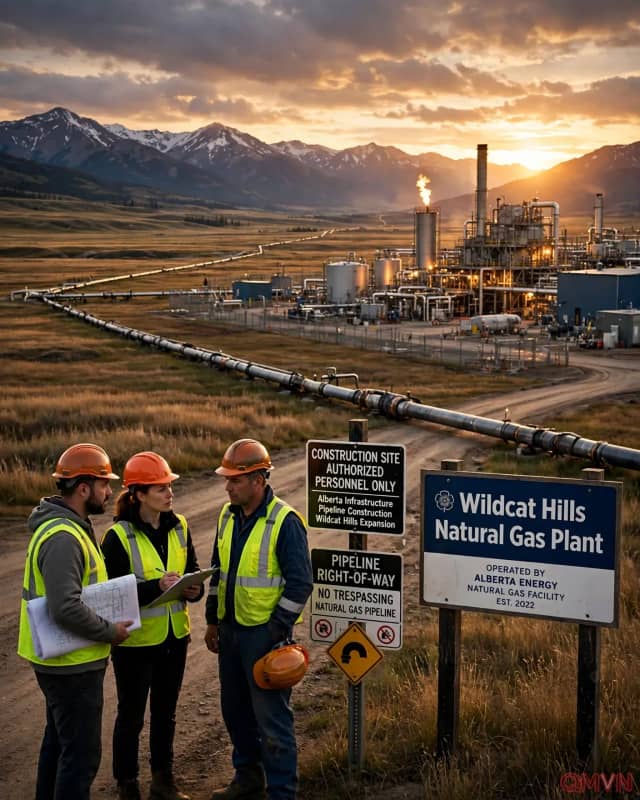
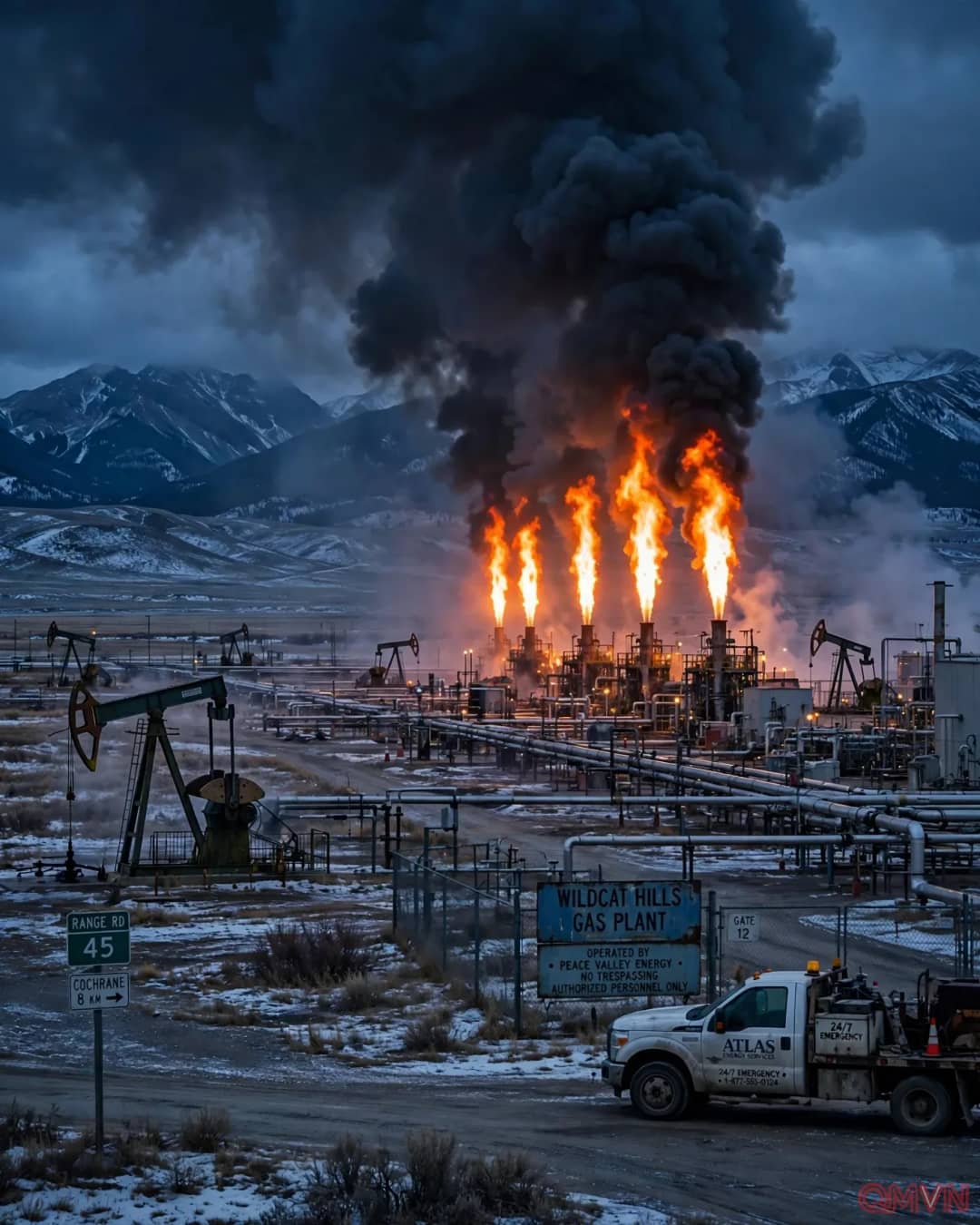
Flaring is the practice of burning off excess natural gas associated with oil production. It contributes to climate change by emitting carbon dioxide while also releasing soot and other particles harmful to human health. The Alberta Energy Regulator eliminated the province-wide cap in June 2025 in response to directives from provincial officials; in practice, the limit had also been exceeded in 2023 and 2024.
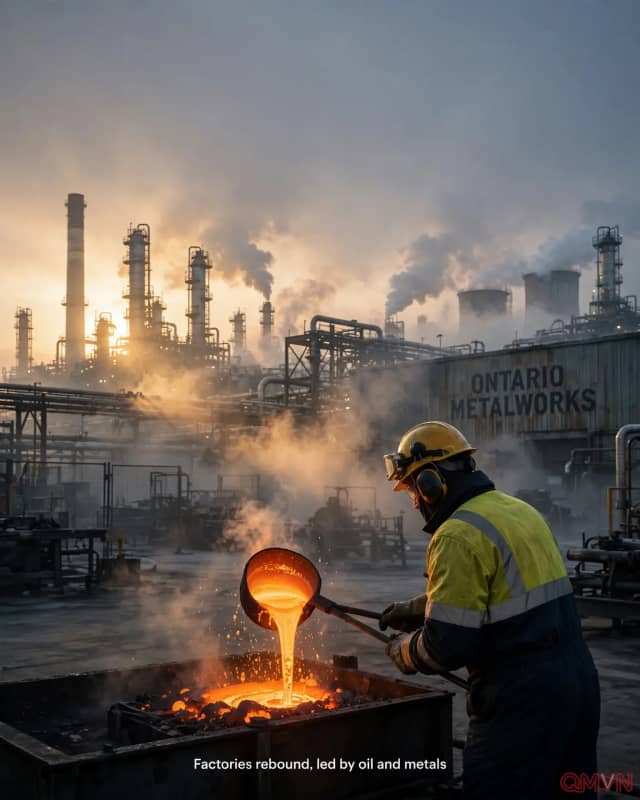
Alberta’s oil output rose 2% in the first nine months of 2026 compared with a year earlier. A spokesperson for the regulator said growth in oil and gas activity likely explained the higher flaring, while the 2025 decline came from better operational performance, expanded gas conservation and growing economic incentives to cut emissions. The Canadian Association of Petroleum Producers, whose members produce about three-quarters of Canada’s oil and gas, declined to comment.
A warning from environmental advocates
Amanda Bryant, oil and gas manager at the clean energy think-tank Pembina Institute, called the new data concerning. In her view, the pattern shows that industry has the ability to reduce solution gas flaring but needs rules obligating it to do so.