MAIN CONTENT
When electricity becomes part of the treatment
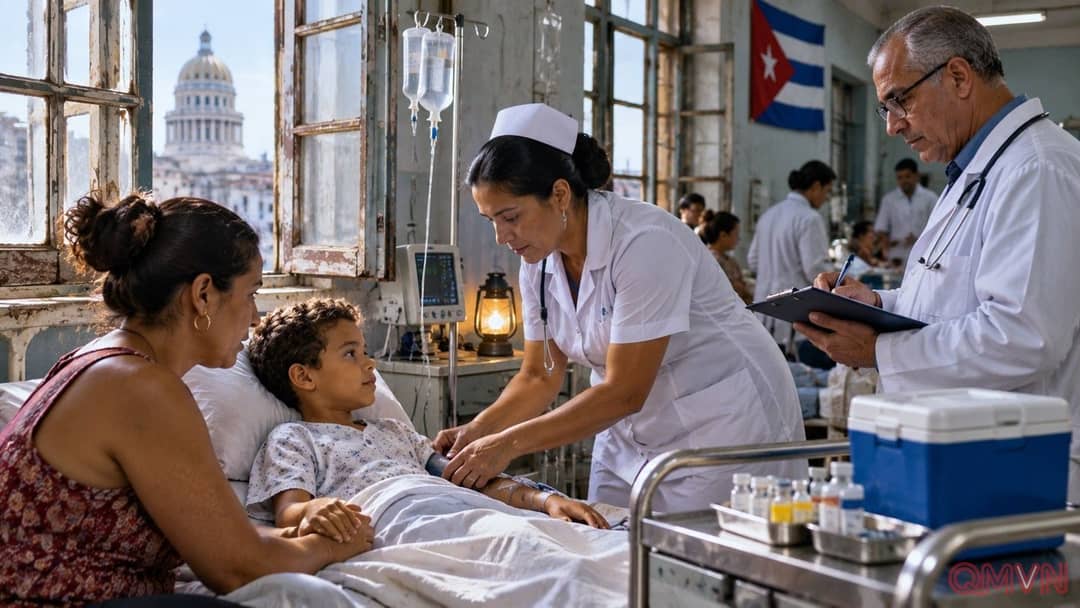
Cuba's crisis illustrates why a health system depends on more than qualified doctors and stocked pharmacies. Ventilators, operating theatres, diagnostic equipment and blood storage facilities require reliable electricity. Backup generators can provide temporary protection, but they cannot run indefinitely without fuel. Once the energy system becomes unreliable, treatment capacity can deteriorate even when medical professionals remain at their posts.
In his November 24 remarks, Tedros reported that childhood cancer survival had fallen from 85% to 65% since the energy restrictions began in January. The figures were presented by WHO during the visit; they are not an independent study isolating the contribution of every possible cause. Nevertheless, they underline the urgency of protecting treatment schedules for patients whose medical needs cannot simply be postponed until economic conditions improve.
Two million dollars and the limits of emergency aid
According to announcements by WHO and the Pan American Health Organization (PAHO), the three-day visit involved discussions with health officials and tours of medical facilities in Havana. The new funding is intended to reinforce national immunization activities, alongside essential medical equipment.