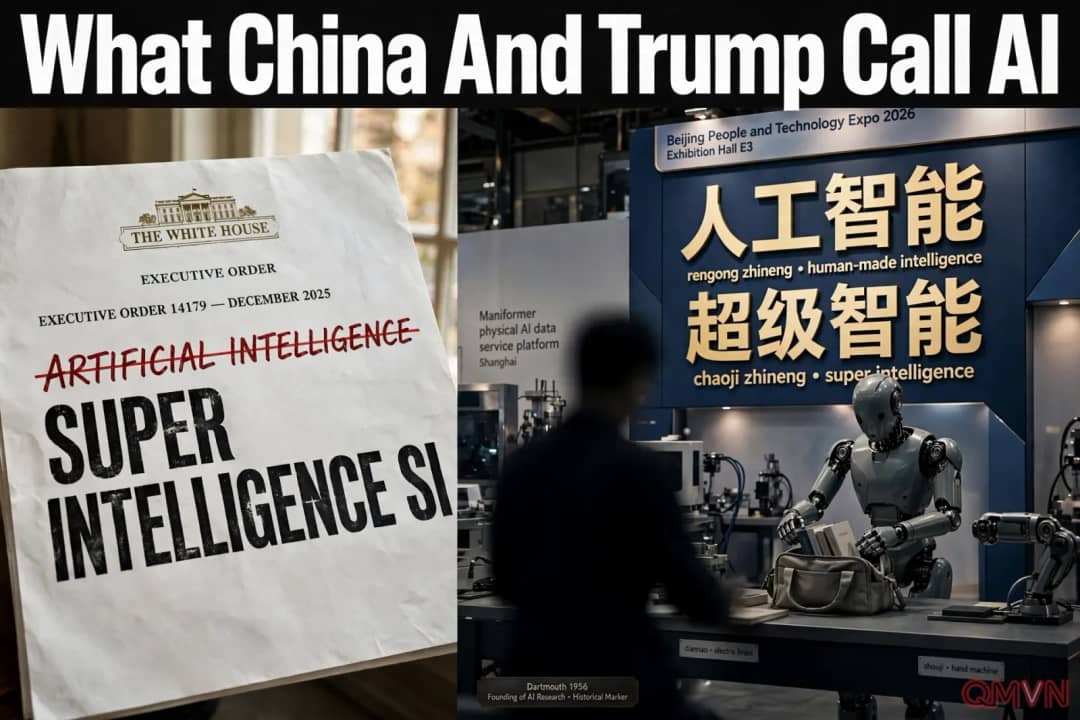
When “artificial” is struck out
Last week, Trump signed an executive order directing US federal agencies to replace “artificial intelligence” with “Super Intelligence” in official communications, websites and policy documents. In his view, the word “artificial” makes the technology sound fake.
The White House said the new terminology better reflects the technology's rapidly advancing capabilities and “limitless opportunities”. The decision came days after a White House meeting on super intelligence attended by leading technology executives.
Human-made intelligence
According to Shuang Frost, an assistant professor at Aarhus University who researches Chinese AI translation, the term rengong zhineng carries special layers of meaning:
- China adopted the term from the Japanese jinkō chinō, which uses the same characters.
- The first two characters, rengong, combine ren (human) with gong (work or labour).
- Zhineng means intelligence, so the whole phrase can be translated literally as “human-made intelligence”.
Frost says that while not every Chinese speaker thinks of that history when using the term, the human is linguistically much harder to remove from rengong zhineng than from “artificial intelligence”.