MAIN CONTENT
A boundary stated, but not yet defined
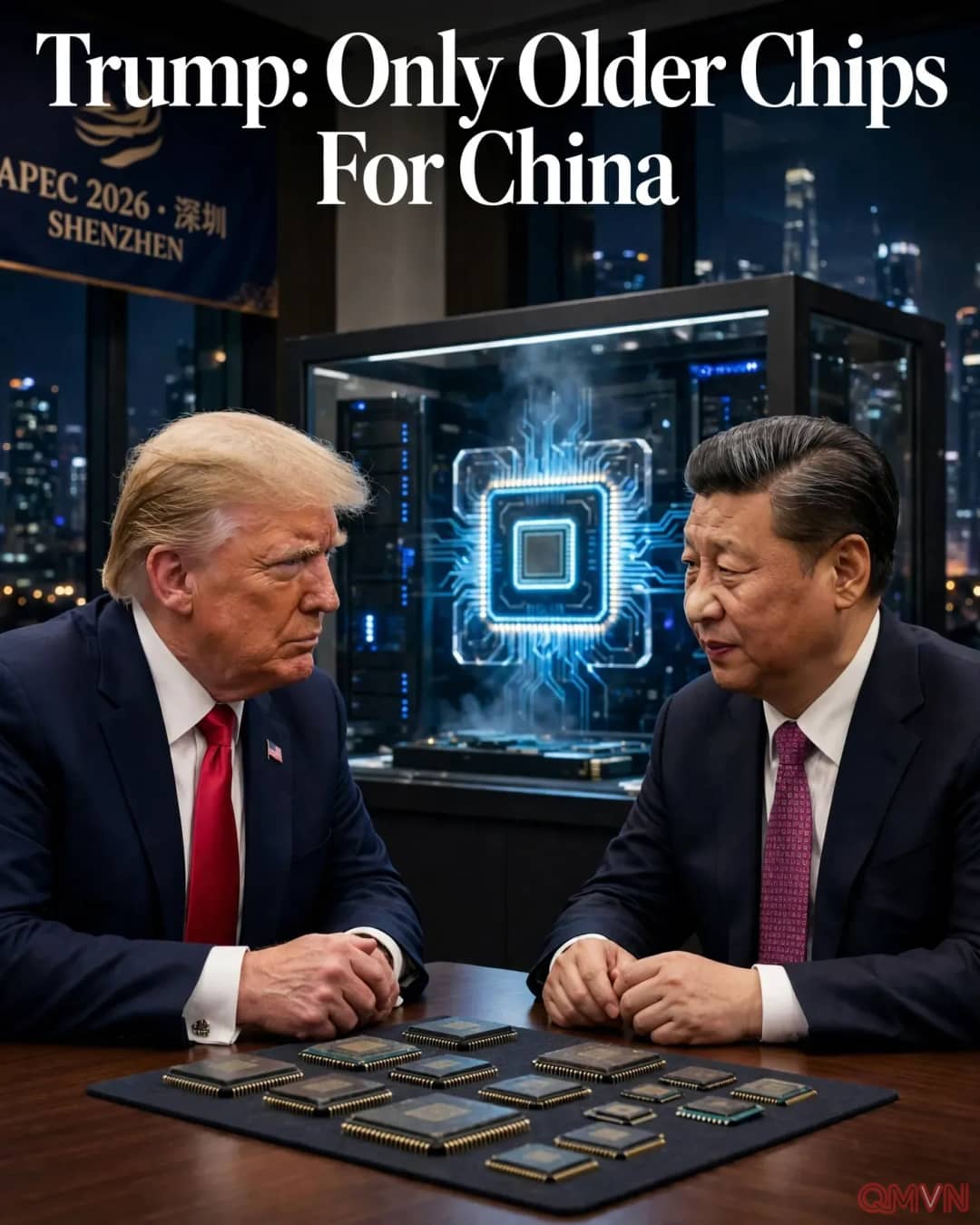
Trump’s position was deliberately narrow in one respect and open-ended in another. He said the United States wanted to sell only older chips to China and would accept selling none at all. At the same time, he acknowledged that Chinese companies manufacture semiconductors and could increase domestic efforts if American supplies disappeared. Reuters reported the remarks after Trump met Chinese President Xi Jinping during his Asia trip. The president described discussions of a comprehensive agreement, but did not identify chip models, approval standards or concessions on either side.
That absence of detail should not be mistaken for a finalized rule. In semiconductor policy, the word “older” is not a stable legal category: performance, memory bandwidth, interconnect speed, manufacturing process and intended end user all matter. A processor that is no longer the newest product can still serve sophisticated AI workloads when deployed at scale. Until regulators publish specific criteria, companies cannot reliably infer which products will qualify from the president’s remarks alone.
Why advanced AI processors matter
The dispute turns on what computation can enable. High-performance accelerators help train and operate large AI systems, including applications with potential military or intelligence uses. U.S.