A historic docking
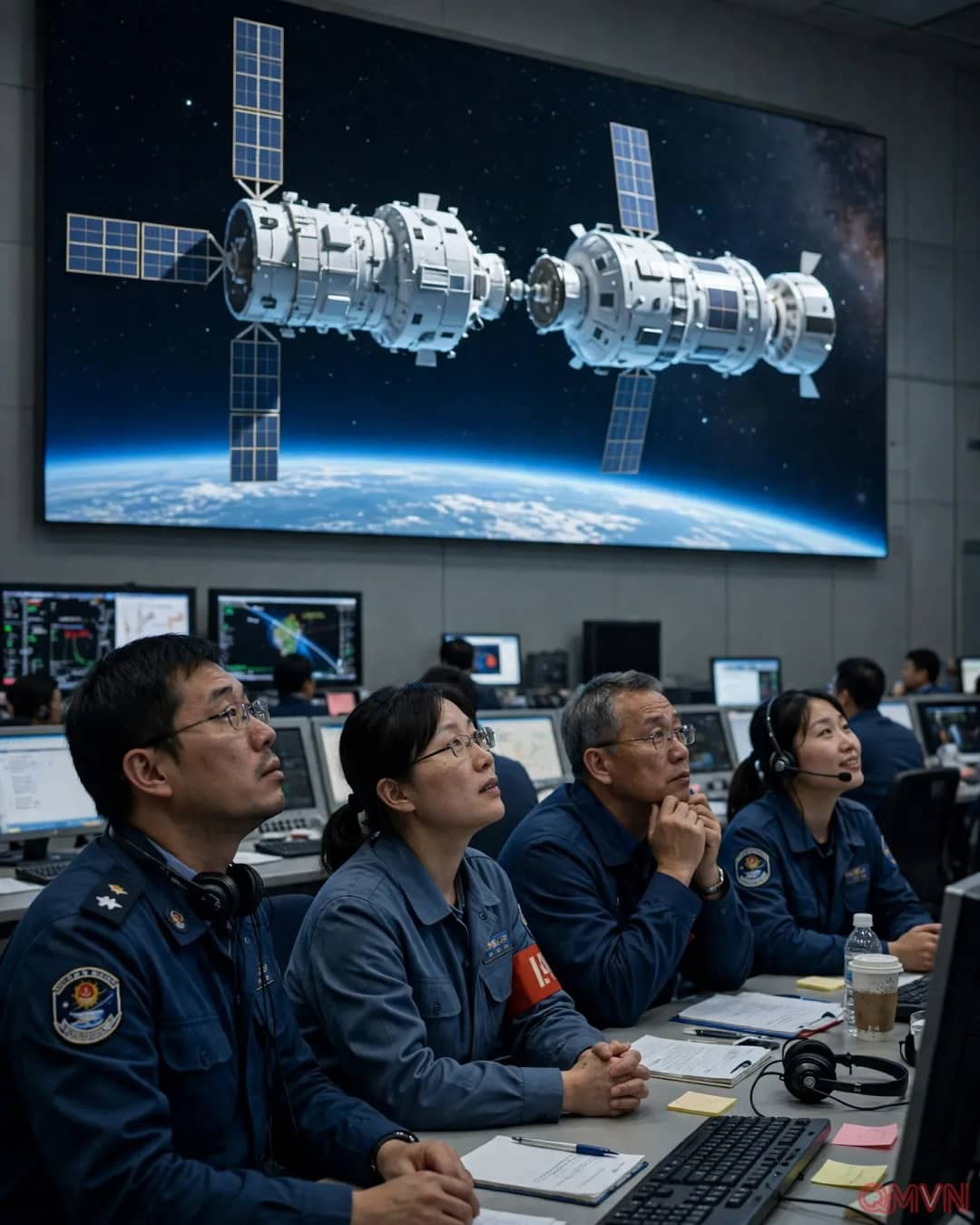
Shortly after 1 a.m. on Nov. 3, 2011, Shenzhou VIII docked with Tiangong-1. Guided by laser and microwave radars, the two spacecraft connected precisely and locked firmly without any technical glitches. Millions of mainlanders stayed up past midnight to watch, many in high definition on cable TV, a first for a Chinese space project.
A roadmap to a space station
Encouraged by the success, Chinese authorities set out a detailed timeline for the crewed space programme:
- Two more docking flights in 2012, followed by construction of a space laboratory and space station.
- The space laboratory was expected to be running by 2016 and grow into a full space station by around 2020.
- The project would need more than 20 flights using new heavy-lift rockets such as the Long March 5 series, at an average of 5 billion yuan per flight, for a total investment of over 100 billion yuan.
*"We will do two more rendezvous and docking flights next year. After that, we will begin the construction of a space laboratory and space station." — Wu Ping, spokeswoman for the crewed space programme*