MAIN CONTENT
Old files, immediate consequences
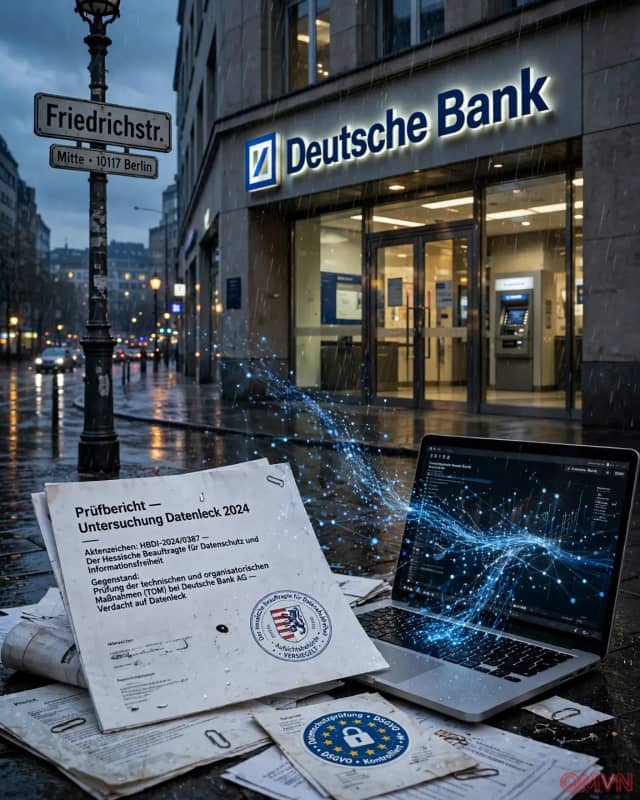
The records, described by media partners as including emails, meeting minutes and internal assessments, have been examined by an international reporting collaboration. Investigations suggest the bank continued courting influential Russian business interests until shortly before Russia’s full-scale invasion of Ukraine in 2022. Other documents concern the monitoring of transactions associated with Jeffrey Epstein, whose accounts at the lender were fully closed only after his 2019 arrest.
The Financial Times reported that the leaked material identified nearly $600 million in suspicious payments linked to Epstein. That characterization does not establish that every payment was unlawful. Reports also describe the accidental disclosure of Donald Trump’s tax records to an accountant working for another customer. Reuters said it could not independently substantiate the full set of allegations; named clients appearing in bank records should not automatically be treated as having committed wrongdoing.
Deutsche Bank portrays the disclosures as largely historical. The difficult question, however, is not simply when a transaction occurred. It is how warnings were received, which exceptions were approved, and whether commercial pressure overwhelmed the people charged with controlling risk. Those are questions that must be answered through documents, independent examination and proportionate protection of client information.