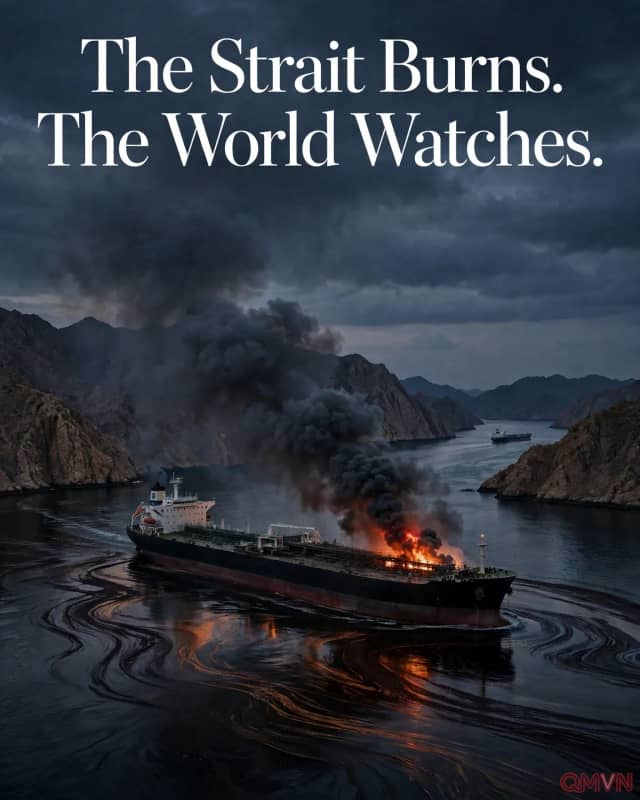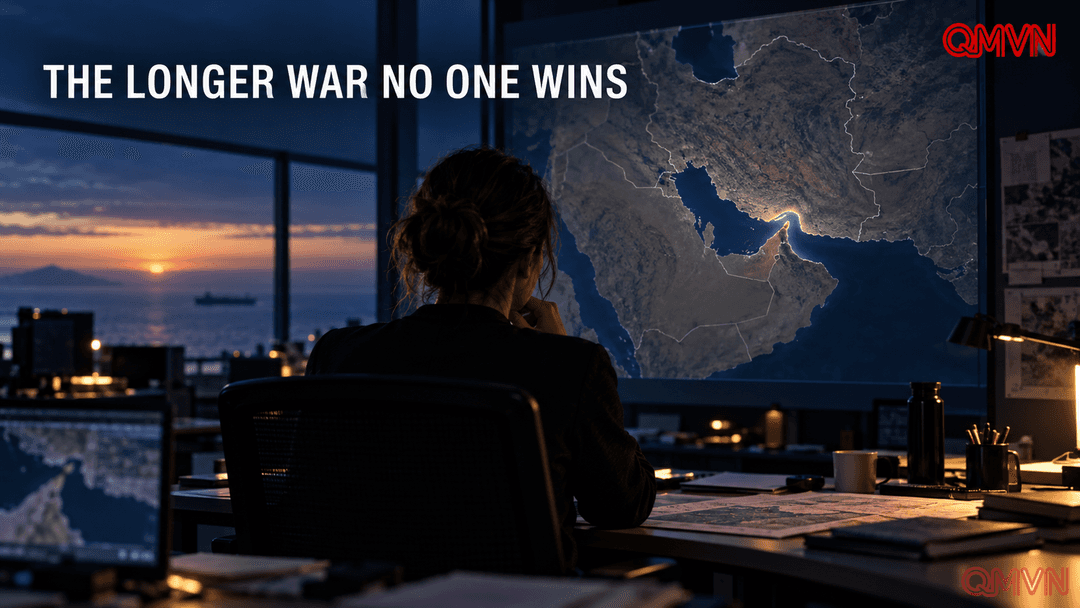
Reuters and AP reporting shows continuing tension around the Strait of Hormuz, where attacks and threats have disrupted maritime confidence and energy flows. When each side avoids compromise yet maintains retaliation, a limited incident can become the next escalation. Opening a war is often easier than creating the political conditions that can close it.
Hormuz is more than a military map
The Strait of Hormuz is a strategic waterway, but it is also a route through which oil and gas reach global markets. Disruption is felt in freight costs, fuel bills and household budgets far from the Gulf. Panetta argued that the unresolved status of the strait has narrowed Washington’s options.
Protecting civilian shipping matters. But treating the waterway only as an arena for coercion carries its own danger. Long-term safety requires clear rules, emergency channels and trusted intermediaries able to prevent miscalculation. Naval power may deter an immediate threat; it cannot by itself create the mutual restraint that commerce and civilian life need.
War passes through ordinary lives
Headlines about missiles and warships can obscure the people who carry the direct consequences: Iranian civilians living with fear and shortages, Israeli families who await the next warning, migrant workers across the Gulf, and seafarers navigating an uncertain sea.