MAIN CONTENT
A national milestone with a scientific purpose
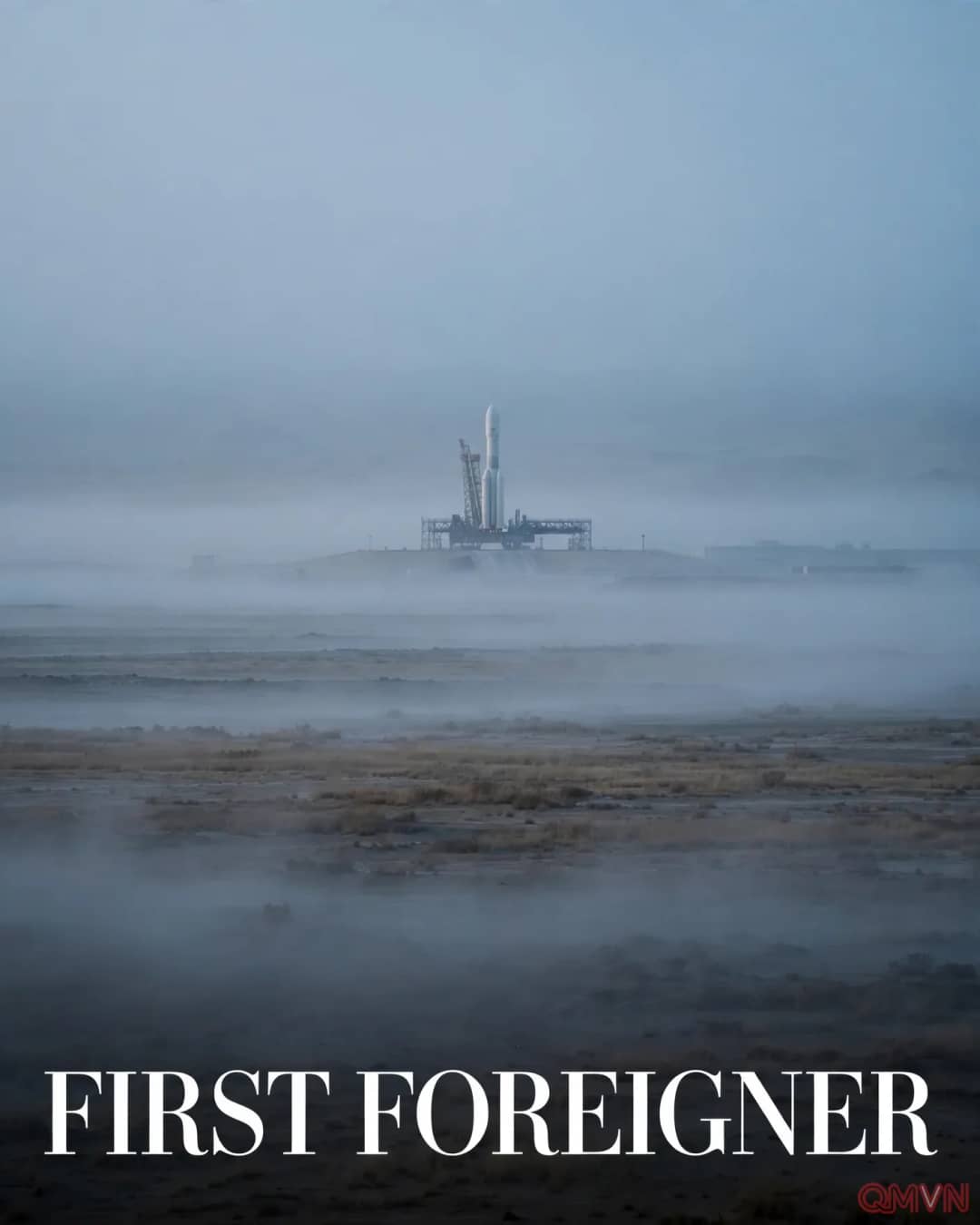
Reuters and the Associated Press confirmed on November 24 that Ali had been named to the crew of Shenzhou-24. He is scheduled to travel with mission commander Tang Hongbo and flight engineer Wu Yi aboard a spacecraft launched by a Long March-2F rocket. The announced departure is 8:18 a.m. Beijing time, equivalent to 00:18 UTC on November 25. As with any crewed mission, the schedule remains conditional on technical readiness and safety checks.
Ali’s expected stay of five to ten days is brief compared with the standard rotation of Chinese crews. Yet a short visit can produce meaningful scientific experience. Nature reported that the mission is intended to accommodate four biotechnology experiments developed by Pakistani universities. Microgravity allows scientists to investigate biological processes under conditions difficult to reproduce on Earth. The eventual value of these experiments will depend on the quality of their execution, subsequent analysis and publication, rather than simply the visibility of the flight itself.
Learning to work across borders
Preparing for orbit involves far more than mastering spacecraft procedures. An international crew must communicate accurately, understand one another’s working habits and respond reliably when circumstances change.