Islamabad keeps the door open
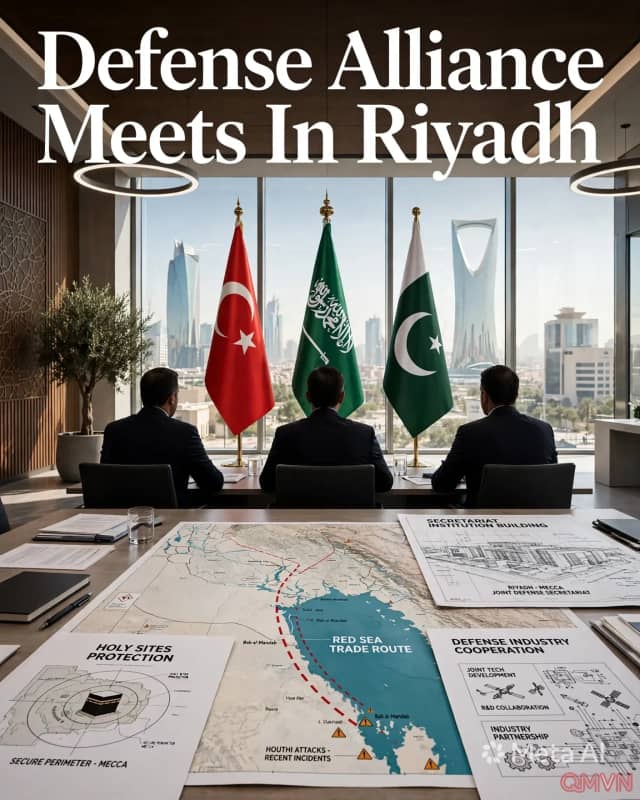
Pakistan has positioned itself as a key intermediary between Washington and Tehran since the US-Israeli war with Iran began in February. It hosted the first round of direct talks in April, and the interim agreement signed in June raised hopes of an end to the conflict, though the dispute over the Strait of Hormuz has kept tensions high.
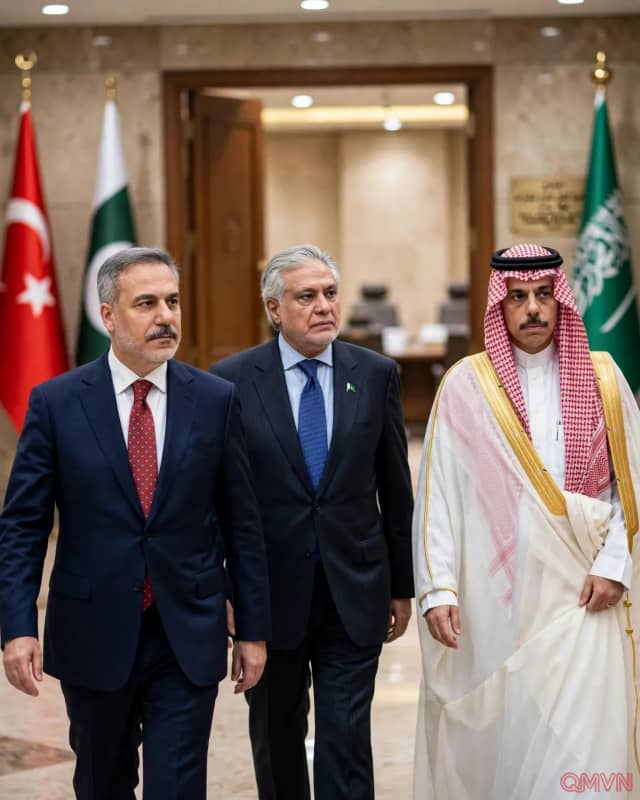
Dar said Prime Minister Shehbaz Sharif and army chief Field Marshal Asim Munir remain closely engaged with regional and international partners. He attributed the delay in a US reply to Iran's latest proposals, which he said build on the June deal, to Washington being preoccupied with the midterm elections.
We have not given up hope or efforts. We are still doing our best.
Iran's message to the region
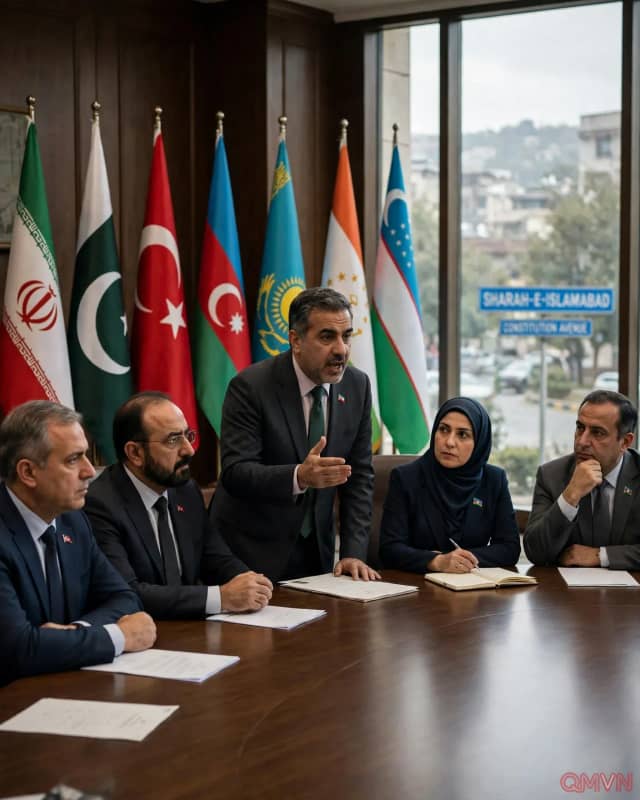
Araghchi used the meeting to urge ECO members to deepen cooperation, saying Iran had consistently upheld international law and the peaceful settlement of disputes, according to the state news agency IRNA.
He also sharply criticised the United States, accusing it of aggression, threats, targeted assassinations, economic coercion and blockades.
His remarks underlined the gap that remains between the two sides, even as Pakistan and other regional states try to keep diplomacy alive.
Pressure on Kabul
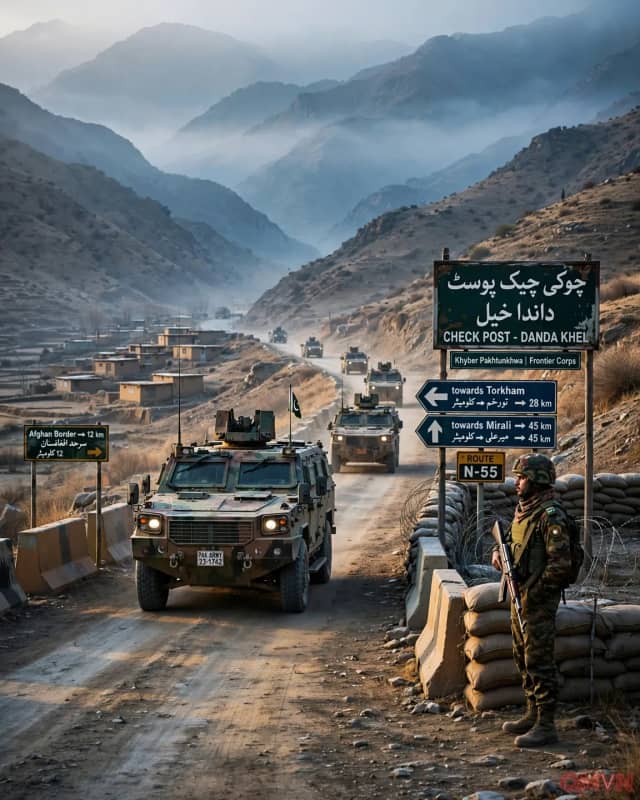
Turning to Afghanistan, Dar said Pakistan wants its neighbour to be peaceful, prosperous and fully integrated into the ECO, but stressed that progress depends on Kabul addressing the security concerns of neighbouring countries, above all terrorism.
Pakistan accuses the Taliban government of sheltering the Pakistani Taliban, or TTP, the outlawed Baloch Liberation Army and al-Qaida in the Indian Subcontinent, charges Kabul denies. Tensions have escalated this year amid repeated border clashes and Pakistani airstrikes, and Afghanistan's ECO membership remains suspended.
Meaningful progress requires the Afghan authorities to address the legitimate security concerns of the neighbouring countries, particularly the threat of terrorism.
Trade corridors and a fragile economy
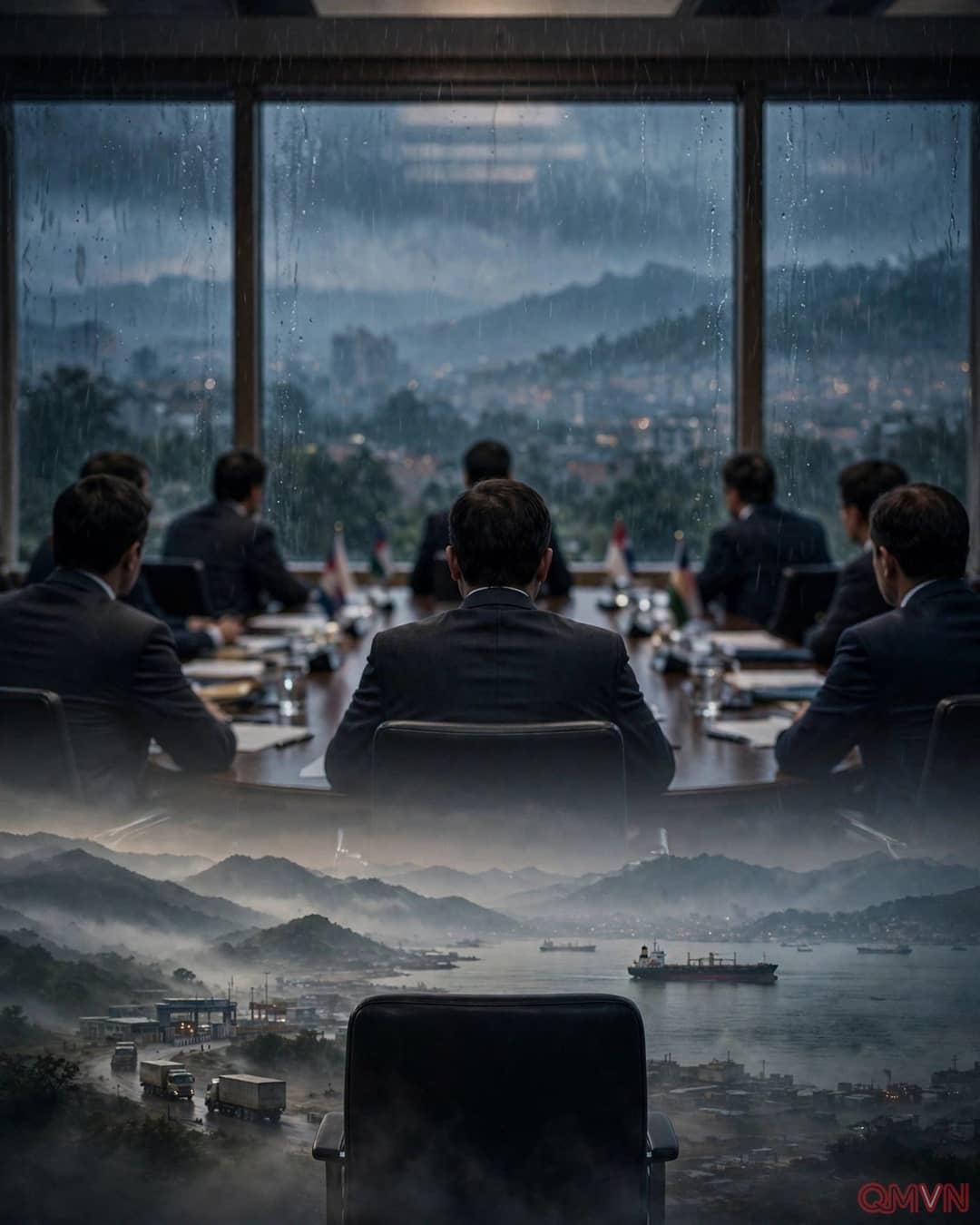
The ECO brings together Afghanistan, Iran, Pakistan, Turkey and several former Soviet republics, and its members have long sought to turn their shared geography into a network of roads, railways and trade routes linking Central Asia with ports on the Arabian Sea.
For Pakistan, the stakes are economic as much as political. The closure of the Strait of Hormuz has sent oil prices sharply higher, adding strain to an economy already dependent on external support. Regional stability, Islamabad argues, is the foundation on which any lasting growth must be built.