MAIN CONTENT
Rapid-Response Units Race Across Paddy Fields Outside Lahore
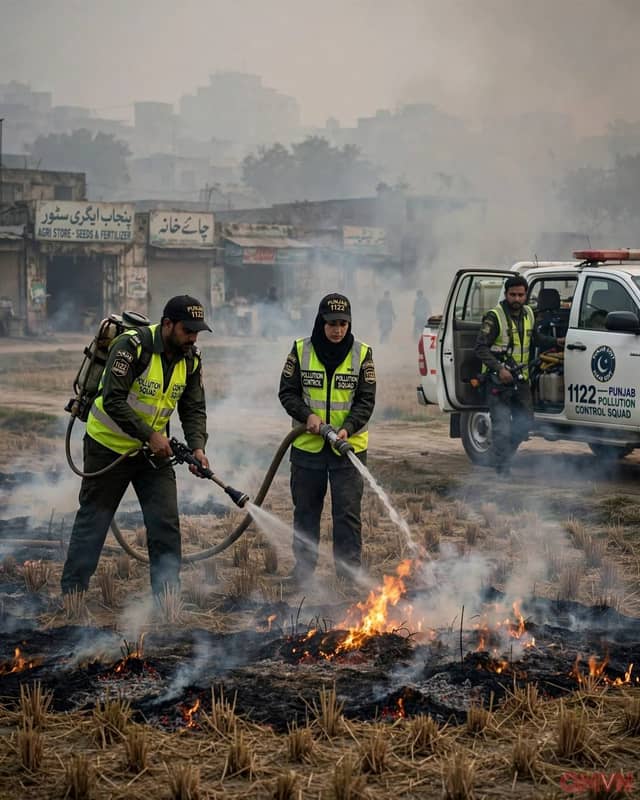
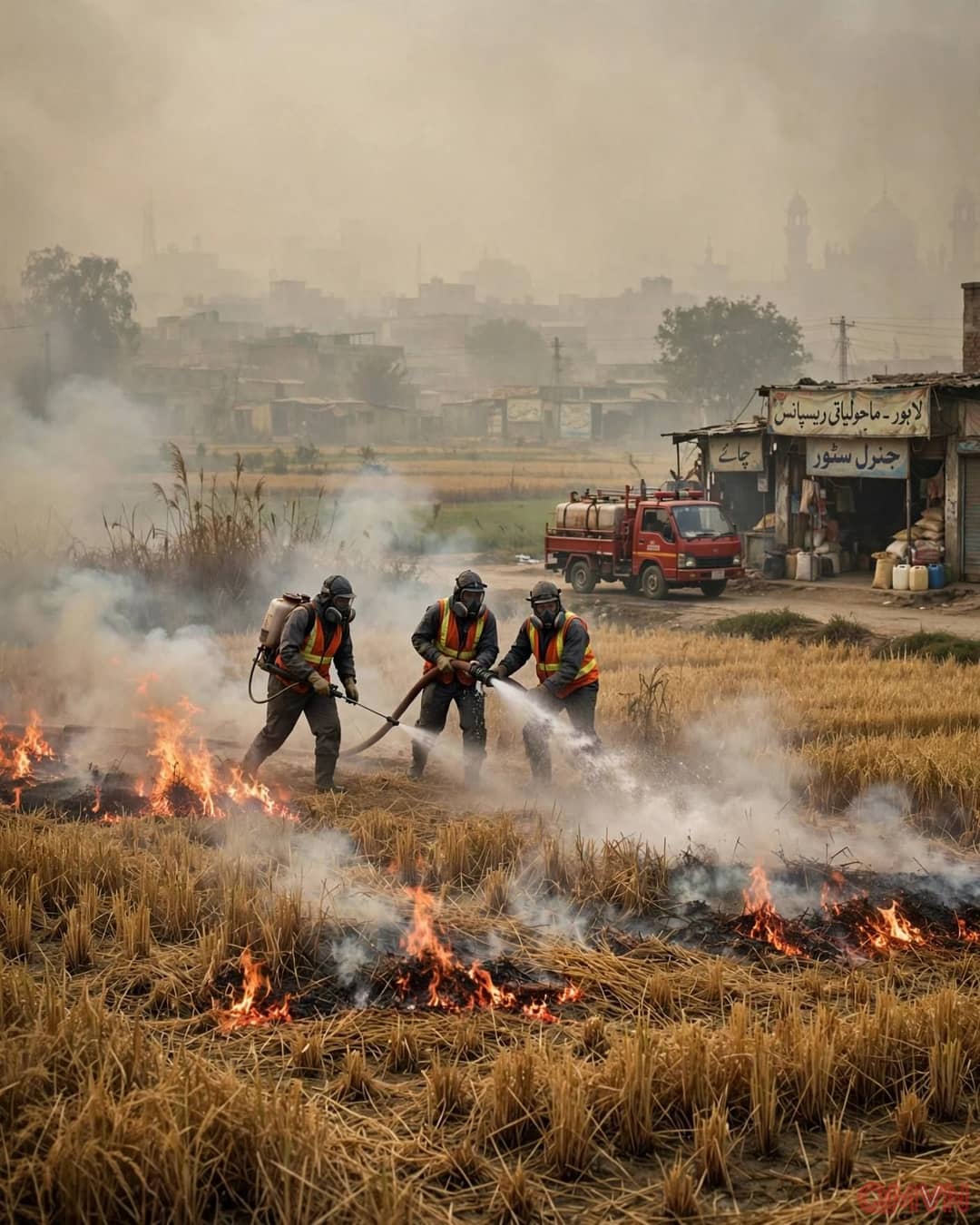
On Thursday at a paddy field on the edge of Lahore, officers from a newly formed quick-response squad leaped from their vehicles as low smoke curled over harvested rice stalks, bringing the blaze under control within minutes. The rapid intervention aims to keep agricultural smoke from compounding industrial emissions, vehicle exhaust, and construction dust trapped under cold winter air over a metropolis that Swiss air-quality group IQAir rated "very unhealthy" earlier in the week.
Silwat Saeed, chief of Punjab’s Environment Protection and Climate Change Department, said the provincial government established the 750-member force across 67 rapid-response units stationed throughout major rice-growing districts. Teams aim to arrive at reported fires within 10 to 15 minutes while actively patrolling paddy zones, enabling officials to extinguish 650 out of 679 field fires logged in a single 24-hour window.
"We receive complaints through multiple channels and respond to them in the shortest possible time." Ashfaq Hussain
A Carrot-and-Stick Approach to Changing Harvest Habits
To curb post-harvest burning after the October rice crop, Punjab officials are combining strict legal penalties with financial incentives. Muhammad Farooq, an assistant director at the Punjab Agriculture Department, noted that farmers caught burning stubble face fines of 15,000 Pakistani rupees ($54) per acre, while those who fail to pay risk prosecution and up to six months in jail.