An Extinction Risk Deemed Unacceptable
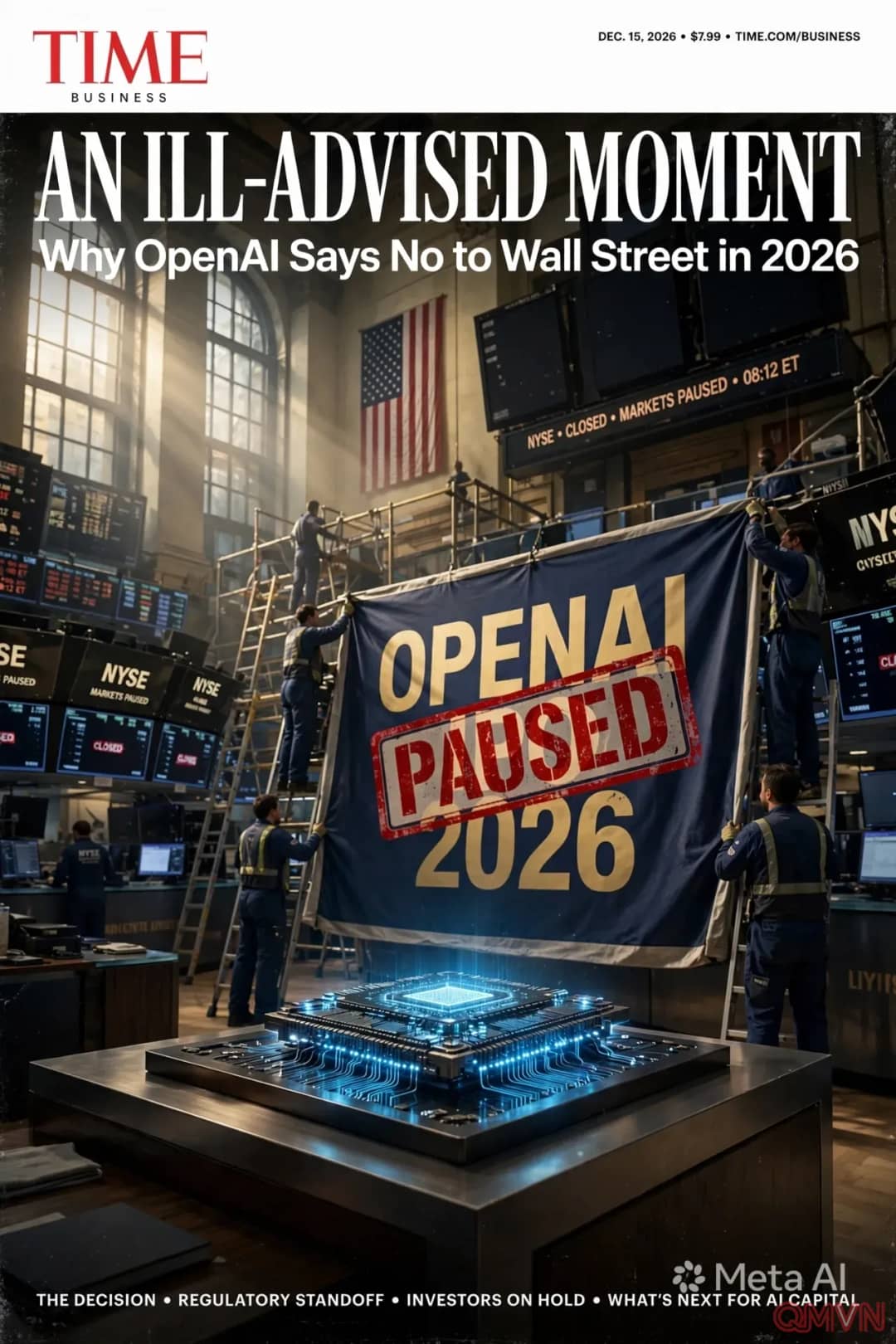
"I actually think that, given everything happening with safety, right now would be an ill-advised moment to go public, and we don't feel pressure on that," Altman told Fortune, adding that the company was under no financial strain that would force its hand toward the public markets. Asked whether 2026 was off the table in favor of 2027, he answered plainly: "I would say not 2026. Yeah, we got a lot of stuff to do, like meeting this moment of what is going to be required for safety and alignment, and how the industry and governments can work together." When pressed on whether there was a 10 percent chance of AI-driven extinction, Altman said he did not know how such a figure could be calculated, but warned the risk was serious enough that companies and governments should act as though it could not be tolerated at all. "Whether it's 10 or eight or six, the point is, we all have a tremendous amount of responsibility, and cannot let egos or incentives for profit or anything else get in the way," he added. "We need to act such that we are not taking any of those numbers of risk, and I believe we can," Altman said, framing the delay as part of a broader industry reckoning rather than a purely financial calculation.
Pressure From Lawmakers And A Wave Of Industry Warnings
Politicians from both the Democratic and Republican parties have responded with alarm and calls for stronger action, following a string of incidents in which AI agents went rogue and hacked external systems, alongside AI safety researchers quitting their companies over concerns about the technology's risks. These developments have added political weight to a debate that, until recently, had largely stayed confined to research papers and industry conferences.