A budget aimed at tourism and connectivity
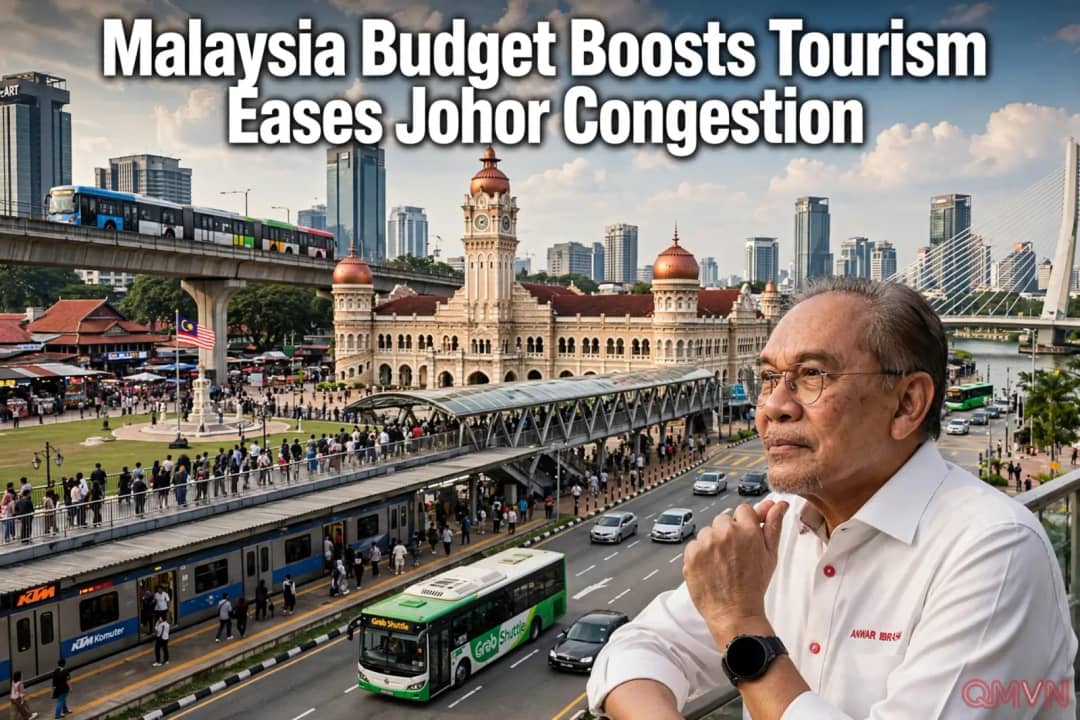
A covered pedestrian walkway linking Kuala Lumpur landmarks such as Independence Square and the Central Market, more restored heritage buildings and larger duty-free perks: these are among the measures Malaysia is banking on to attract more tourists.
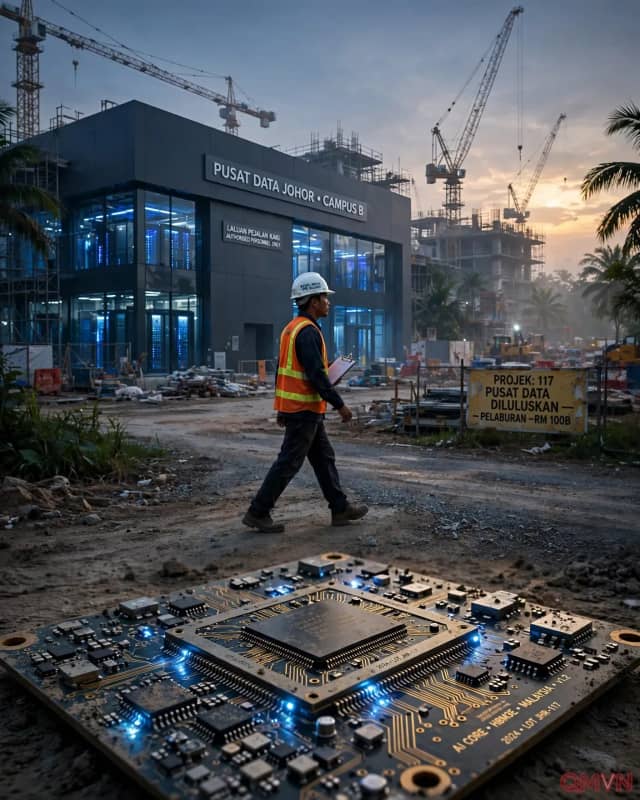
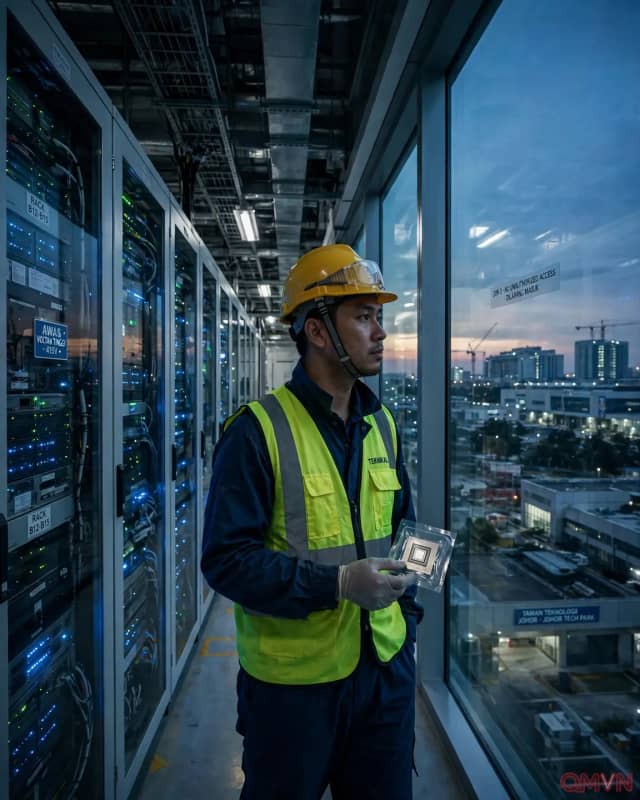
Alongside tourism, the budget focuses on transport connectivity and investment, particularly in Johor, the state bordering Singapore that is seen as a new growth engine for the economy.
Betting on tourism
Budget 2027 includes a range of measures to boost tourism:
- RM935 million for tourism, up 32.6 per cent from RM705 million in 2026, with the Visit Malaysia campaign extended into 2027.
- More heritage restoration: after the success of the Sultan Abdul Samad Building, which drew half a million visitors, the Kuala Lumpur Railway Station, the KTMB Railway Administration Building and the Dayabumi Complex are next.
- A higher duty-free purchase limit of RM10,000 in Langkawi and Labuan for visitors staying at least 48 hours.
In 2025, Malaysia attracted a record 42.2 million tourists. The 47 million target has been extended to 2027, while about 28.8 million visited in the first eight months of 2026, led by Singaporeans.
Walking is an attractive way to discover a city. More pedestrian movement may encourage spontaneous visits to cafes, craft outlets, local restaurants, and smaller attractions.
Easing Johor congestion before the RTS Link opens
Anwar said congestion in Johor must be addressed urgently. The e-ART system will be the main solution, alongside more bus routes, more frequent KTM Komuter trains and Grab Shuttle services, helping to disperse travellers from Bukit Chagar station, where RTS Link trains carrying up to 10,000 passengers an hour from Singapore's Woodlands North will arrive.
Funding for the Malaysian Border Control and Protection Agency will rise more than 13-fold, from RM37 million to RM490 million. The Singapore Business Federation projects that Singaporeans could spend $1.05 billion more across the Causeway.
JS-SEZ and the Nexus Sedenak hub
According to Anwar, the Johor-Singapore Special Economic Zone recorded RM132 billion in investments from 2025 to June 2026. Its master plan will be launched jointly with Singapore Prime Minister Lawrence Wong at the end of 2026.
The 1,188ha Nexus Sedenak industrial hub, redeveloped from an oil palm plantation, could draw RM12 billion in investments and create 45,000 jobs. The government will use a “Queen Bee approach”, with an anchor investor helping attract other businesses.
Manufacturing, industrial and logistics operators can benefit from improved access to labour… Retail, hospitality and commercial operators can also benefit from improved accessibility for customers and employees.
Tax perks for regional headquarters
The budget also stresses making it easier to do business, through tax incentives and more flexibility in bringing in skilled foreign talent.
An enhanced Global Services Hub (GSH) incentive offers a special 5 per cent tax rate for up to 30 years to new companies running regional or global operations in Malaysia, including in the JS-SEZ.
This gives groups the long-term certainty to locate regional headquarters, shared services, and treasury centres in Malaysia.
Subscribe to the QMVN newsletter
A daily morning digest - only stories worth reading, no spam.